
Landscaping
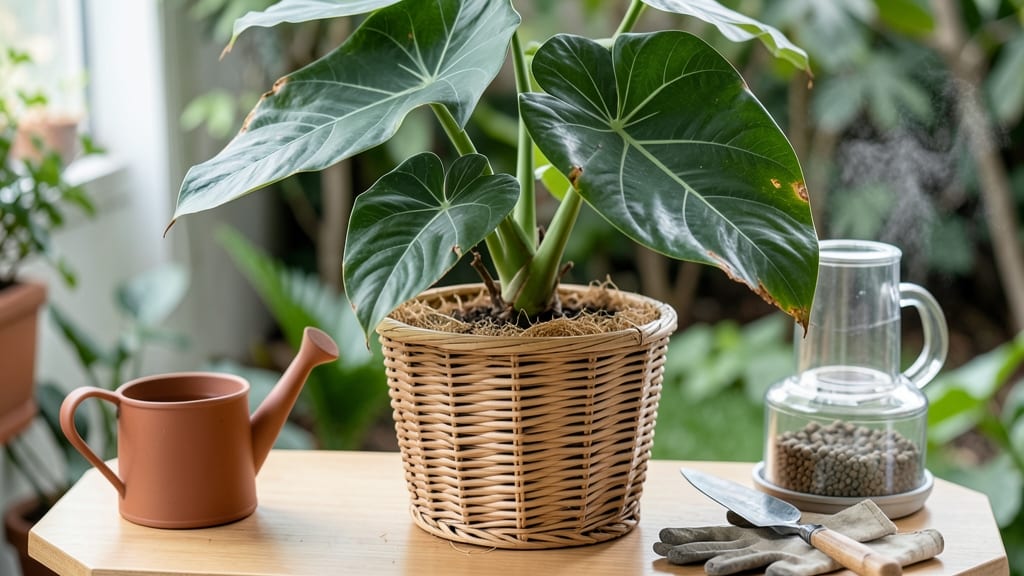
Garden designs featuring alocasia garden ideas can turn even a modest yard into a vibrant tropical retreat with its bold, glossy leaves that demand attention.
Picture this: towering elephant ear foliage framing a cozy patio or cascading from a hanging planter, their deep veins catching the light like stained glass.
The key to making it work isn't just picking the right variety—it's about playing with height, texture, and shade-loving companions to create drama without the fuss.
Whether you're working with a sun-drenched courtyard or a shady woodland corner, these tropical plants adapt beautifully to containers, borders, and even indoor-outdoor transitions. We'll show you how to mix Alocasia polly with ferns for lush layers or pair Alocasia zebrina with hostas for striking contrast.
Ready to transform your space? Below, you'll find creative layouts, container hacks, and color schemes that keep your garden looking fresh year-round—even when the weather turns cool.
How to design stunning Alocasia garden layouts for maximum impact
Creating a visually striking Alocasia garden starts with understanding how these bold tropical plants can transform any space. Their elephant ear leaves and dramatic foliage make them perfect for shade gardens, container displays, or indoor-outdoor transitions.
The key lies in layering textures, contrasting colors, and strategic placement to highlight their natural beauty.
I’ve designed Alocasia layouts for clients in USDA Zones 10-12, but with the right care, you can adapt these ideas for containers or indoor growing in cooler climates.
Start by selecting 3-5 varieties—like Alocasia zebrina (black stems), Alocasia polly (compact size), or Alocasia odora (fragrant blooms)—to create visual depth and seasonal interest.
🌿 Styled List: Pro Tips for Alocasia Garden Design
- 🌱 Focal Points: Place tall varieties (like Alocasia sara) near patios or entryways for instant drama.
- 🎨 Color Contrast: Pair dark-leaved types (e.g., Alocasia zebrina) with silver ferns or white calatheas.
- 🌿 Height Layers: Use dwarf varieties (like Alocasia polly) in front, medium types in the middle, and tall specimens at the back.
- ☀️ Shade Placement: Group Alocasias under large hostas or tree canopies to protect from direct sun.
- 💧 Moisture Zones: Mulch heavily with orchid bark or peat moss to retain consistent humidity.
For maximum impact, design your layout around three zones: foreground, midground, and background. In the foreground, use compact varieties like Alocasia polly (1-2 feet tall) to add texture near walkways.
The midground is perfect for medium-height types (2-3 feet), such as Alocasia micholitziana, which thrive in part-shade and complement hostas or heucheras. Save the tallest varieties (4-6 feet) for the background, where they’ll create a dramatic backdrop for seating areas or garden art.
Don’t overlook seasonal care—Alocasias slow down in winter, so reduce watering and fertilizing. In spring, they’ll reward you with new growth, making it the perfect time to prune dead leaves and rearrange containers for fresh visuals.
I’ve seen gardens where Alocasia odora’s fragrant blooms (yes, they flower!) become the star of summer, drawing pollinators like hummingbirds.
To enhance color contrast, pair deep purple or black-stemmed varieties (like Alocasia zebrina) with bright green ferns or chartreuse calatheas. For a softened look, mix Alocasia micholitziana’s velvety leaves with silver pothos or white-striped peace lilies.
Pro tip: Add a splash of red with Impatiens or Begonias to make the Alocasia foliage pop even more.
If you’re working with limited space, opt for containers or hanging baskets. A tiered planter with dwarf Alocasias on the bottom shelf and trailing ferns on top creates a vertical jungle effect.
For urban gardens, place large pots near south-facing walls to maximize indirect light while keeping roots cool. Just ensure pots have drainage holes and use a lightweight potting mix to prevent root rot.
One of my favorite Alocasia garden themes is the "Tropical Oasis"—combine Alocasias with monstera deliciosa, bird-of-paradise, and palms for a luxuriant retreat. For a modern twist, pair them with succulents (like Haworthias) in a contrasting moisture-loving vs. drought-tolerant display.
The key is to balance bold with subtle—let the Alocasia leaves take center stage while supporting plants add texture and movement.
Finally, protect your investment with seasonal adjustments. In fall, move container-grown Alocasias indoors near a bright window before temperatures drop below 50°F. If you’re in a cooler climate, grow them as annuals or overwinter them in a cool greenhouse.
With these strategies, your Alocasia garden will stay lush, vibrant, and full of year-round drama.
Ready to start designing? Grab a sketchpad and map out your Alocasia layout—your garden’s tropical transformation begins with a single bold leaf! 🌿
Best Alocasia varieties for different garden spaces and climates
Alocasia plants bring dramatic tropical flair to any garden space, but not all varieties thrive in the same conditions. Whether you're designing a shady woodland garden, a container display, or a sun-dappled border, selecting the right cultivar ensures stunning foliage year-round.
Let’s explore the top Alocasia varieties and how to pair them with complementary plants for maximum impact.
From the compact Alocasia polly perfect for small containers to the towering Alocasia odora ideal for lush borders, each variety offers unique textures and sizes. Consider your USDA hardiness zone (typically 10-12 for outdoor planting) and sunlight exposure before choosing.
For example, Alocasia zebrina thrives in partial shade, while Alocasia 'Dragon Scale' loves bright, indirect light—both critical for preventing leaf scorch.
| Variety | Best For | Hardiness Zone | Sunlight Needs | Pair With |
|---|---|---|---|---|
| Alocasia zebrina | Containers, shade gardens | 10-12 | Partial shade | Ferns, Calathea |
| Alocasia polly | Small spaces, indoor-outdoor | 10-12 | Bright indirect light | Hostas, Begonias |
| Alocasia odora | Borders, woodland gardens | 10-12 | Partial shade | Hydrangeas, Astilbe |
| Alocasia 'Dragon Scale' | Tropical accents, containers | 10-12 | Bright indirect light | Philodendron, Peperomia |
| Alocasia 'Black Stem' | Dramatic focal points | 10-12 | Partial shade | Monstera, Anthurium |
For container gardens, Alocasia polly and Alocasia zebrina are standout choices due to their compact size and striking foliage. Pair them with trailing plants like Peperomia prostrata or String of Hearts to create a multi-level display.
Use well-draining soil mixes with orchid bark and perlite to prevent root rot—a common issue in pots.
In woodland or shade gardens, Alocasia odora and Alocasia 'Black Stem' excel, reaching heights of 4-6 feet and thriving under dappled sunlight. Combine them with hostas and ferns for a layered, textured look.
Mulch heavily to retain moisture, as these varieties love consistently damp soil. In warmer climates (Zones 10-12), they can remain outdoors year-round.
If you’re in a cooler microclimate, opt for Alocasia 'Dragon Scale' in large containers that you can bring indoors during winter. Its glossy, patterned leaves add year-round color to patios or sunrooms.
For urban gardens, stack containers vertically to save space—Alocasia polly thrives in hanging baskets with moss liners to mimic its natural humid environment.
Remember, Alocasia plants are not frost-tolerant, so protect them from temperatures below 50°F. Use frost cloths or move containers to sheltered spots in fall. With the right variety and care, your garden will burst with tropical elegance that’s as functional as it is beautiful. 🌿