
Planting
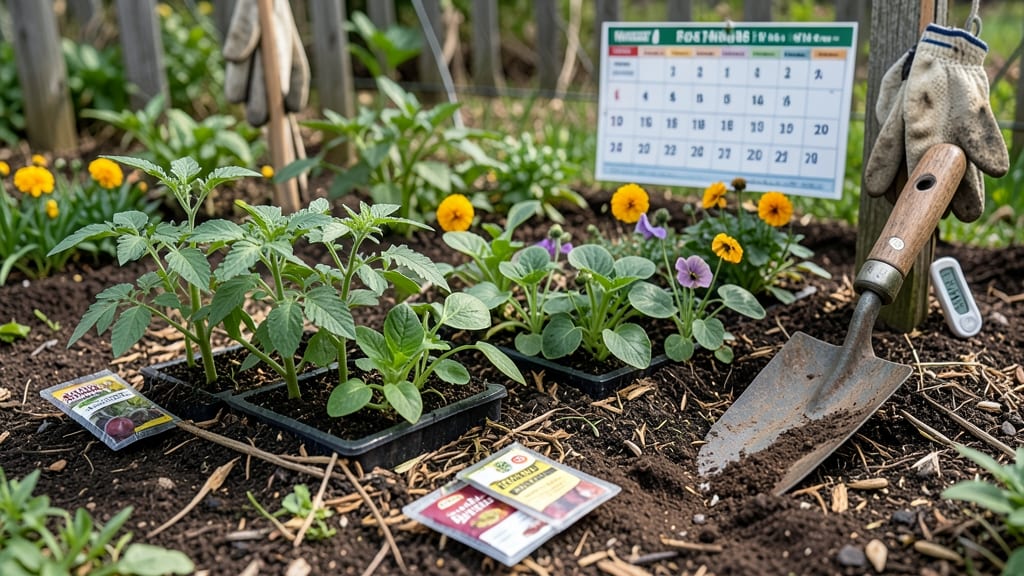
You can plant your garden in Michigan once the soil warms to at least 50°F and the risk of frost has passed — typically mid-April to early May in most regions, but earlier in the south and later in the Upper Peninsula.
Michigan’s unpredictable spring weather can leave gardeners wondering: ‘When is the right time to plant my garden?’—but getting the timing wrong can mean lost crops or stunted growth.
Cold-hardy vegetables like peas, spinach, and lettuce can go in the ground as early as late March in southern Michigan, while tomatoes and peppers need to wait until after the last frost, usually around Mother’s Day.
Below, I break down frost dates by zone, how to adjust for late frosts, and the best strategies for starting seeds indoors to maximize your growing season.
Michigan’s frost dates and planting zones: when to start cold-hardy vegetables
Michigan’s last frost dates vary dramatically between the Upper Peninsula and Lower Peninsula, making it critical to know your specific region before planting.
In southern Michigan, gardeners can typically start cold-hardy vegetables as early as late March, while those in the UP may need to wait until mid-May.
These differences are tied to USDA Plant Hardiness Zones, which range from Zone 4b in the north to Zone 6b in the south.
Understanding your microclimate is just as important as knowing the average frost dates. A south-facing slope or urban heat island can warm up faster than open fields, allowing you to plant earlier.
For example, Detroit’s last frost date averages around May 15, while Marquette’s is closer to June 1. Always check local weather records or use tools like the Michigan State University Extension’s frost probability charts for the most accurate timing.
| Region | USDA Zone | Avg. Last Frost | Cold-Hardy Veggies to Start | Extend Season With |
|---|---|---|---|---|
| Southern Michigan (Detroit, Ann Arbor) | Zone 6a-6b | Mid-April to May 15 | Spinach, peas, kale, lettuce, radishes | Row covers, cold frames |
| Central Michigan (Lansing, Grand Rapids) | Zone 5b-6a | Late April to May 10 | Peas, spinach, broccoli, cabbage | Low tunnels, mulch |
| Northern Michigan (Traverse City, Petoskey) | Zone 5a-5b | Late April to May 5 | Peas, kale, Swiss chard, radishes | Cold frames, black plastic mulch |
| Upper Peninsula (Marquette, Houghton) | Zone 4b-5a | Mid-May to June 1 | Peas, spinach, lettuce, cabbage | Greenhouses, thick mulch |
Cold-hardy vegetables like spinach, peas, and kale are your best friends when planting early in Michigan. These cool-season crops can tolerate light frosts and even thrive in 30-40°F soil temperatures.
For example, sugar snap peas can be sown as early as 4-6 weeks before your last frost date, while spinach prefers cooler soil and can handle 20°F temperatures with minimal protection.
To extend your growing season, consider using row covers or cold frames, which can push your planting window back by 2-4 weeks. A simple floating row cover (like Reemay fabric) can raise soil temperatures by 5-8°F and protect young plants from light frosts.
For even earlier starts, try a cold frame or mini greenhouse, which can create a microclimate 10-15°F warmer than the surrounding air.
Always check the USDA Plant Hardiness Zone Map for your exact location, as zones can shift dramatically even within a 50-mile radius.
For instance, Zone 6a in Ypsilanti might allow you to plant broccoli by April 15, while Zone 5b in Jackson may require waiting until May 1. Use the Michigan State University Extension’s interactive map to pinpoint your zone and adjust your planting schedule accordingly.
If you’re unsure about your local frost dates, sign up for local weather alerts or use historical frost data from nearby weather stations. For example, the National Oceanic and Atmospheric Administration (NOAA) provides 30-year averages for frost dates in your area.
Combine this data with your personal observations over the years to fine-tune your planting timeline.
For direct-sown seeds, like radishes or lettuce, you can often plant them 2-3 weeks before your last frost date if the soil is workable (not frozen or waterlogged).
However, for transplants, like cabbage or broccoli, wait until the soil temperature reaches at least 45°F to avoid stunted growth. Use a soil thermometer to monitor temperatures, especially in shady or low-lying areas where cold air pools.
Pro tip: Start a garden journal to track your frost dates and planting success over the years. Note when you planted each crop, any unexpected frosts, and how long it took for seeds to germinate.
This will help you adjust future planting schedules and avoid common mistakes, like planting too early and losing your crop to frost.
Remember, Michigan’s first frost dates in fall also vary by region, so
Warm-season planting schedule: tomatoes, peppers, and more—when to wait
Warm-season crops like tomatoes, peppers, and cucumbers need consistent warmth to thrive, and planting too early can stunt their growth or even kill them. In Michigan, soil temperatures below 50°F can delay germination or cause seed rot, so timing is everything.
The key is waiting until both air and soil temperatures are reliably warm—usually after your average last frost date and when soil hits at least 60°F.
Michigan State University’s frost probability charts are your best friend for this. For southern Michigan, aim for mid-May to early June, while northern regions should wait until late May to early June.
But don’t rely solely on dates—check soil temps with a soil thermometer or use black plastic mulch to warm the ground faster. Even a few degrees can make the difference between success and failure.
For tomatoes and peppers, which are especially sensitive to cold, I recommend waiting until the soil is consistently 60°F+. These plants won’t germinate well in cooler soil, and even if they do, their growth will be sluggish.
If you’re eager to get started, consider using heat mats or planting in raised beds, which warm up faster than the ground. Just remember: rushing can backfire—better to wait a few extra days than risk losing your entire crop.
Another pro tip? Plant fast-maturing varieties if you’re in doubt. For example, ‘Early Girl’ tomatoes or ‘Jalapeño M’ peppers can tolerate cooler soil better than heirlooms. These varieties also give you a head start on the growing season, so you can enjoy an earlier harvest.
Pair them with cucumbers, which thrive in warm soil but can also handle slight cool snaps if protected.
Finally, don’t forget to harden off seedlings before transplanting. If you’ve started seeds indoors, gradually expose them to outdoor conditions over 7-10 days to avoid shock. This simple step can mean the difference between healthy, thriving plants and ones that struggle to adapt.
And always water deeply after transplanting to help roots establish in the warm soil.
With these steps, you’ll be ready to plant your warm-season crops with confidence—no more guessing or lost plants! Just remember: patience pays off in a bountiful harvest. 🌱