
How To
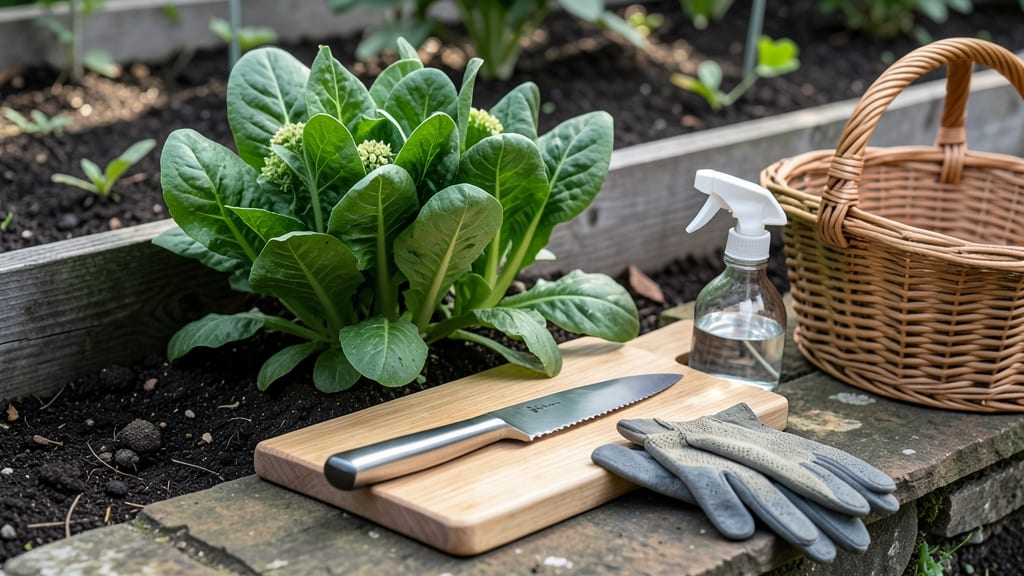
To harvest romaine lettuce from your garden using the cut-and-come-again method, time your cuts just right to keep your plants producing crisp, flavorful leaves for weeks.
Romaine lettuce thrives when you harvest it correctly—using the right techniques ensures crisp, flavorful leaves while extending your garden’s productivity for weeks. Skip the guesswork and learn the proven cut-and-come-again method that even beginner gardeners swear by.
This approach isn’t just about picking leaves; it’s about encouraging your 🥬 plants to regrow stronger after each harvest. The key lies in cutting at the right height, avoiding over-harvesting, and recognizing when your lettuce is ready for another round of growth.
Below, I’ll walk you through the exact steps to harvest romaine lettuce—when to cut, how deep to trim, and how often to repeat the process for a continuous supply of fresh greens all season long.


Step-by-step guide to harvesting romaine lettuce for maximum yield
Harvesting romaine lettuce at the right time and with the right technique can turn a single planting into a continuous harvest for weeks. The cut-and-come-again method is my go-to strategy for maximizing yield without stressing the plant.
This approach lets you enjoy fresh, crisp leaves while encouraging the plant to regrow—perfect for extending your garden’s productivity.
When done correctly, this method produces larger, healthier leaves over time. The key is knowing when to cut, how deep to harvest, and which tools to use to avoid damaging the plant’s growth center.
Let’s break it down into simple, actionable steps so you can start harvesting like a pro.
How to Harvest Romaine Lettuce from Garden
- 1 Check leaf maturity: Wait until outer leaves reach 6–8 inches long, with a deep green color and firm texture. Younger leaves will regrow faster if you start with mature outer leaves.
- 2 Use clean, sharp tools: Grab a pair of pruning shears or a sharp knife. Dull tools crush stems, inviting disease and slowing regrowth. Sterilize your tools with rubbing alcohol before use.
- 3 Cut at the right angle: Angle your cut just above the soil line (about 1/4 inch above the base) to avoid damaging the crown. This encourages new growth while protecting the plant’s center.
- 4 Leave the inner leaves: Never cut into the inner rosette of leaves. These are the growth engine for your plant. Focus on harvesting the outer 1/3 of leaves to maintain the plant’s energy reserves.
- 5 Harvest in the morning: Pick leaves early in the day when they’re crispest and most hydrated. This also reduces stress on the plant, helping it recover faster for the next harvest.
- 6 Water and fertilize post-harvest: After cutting, give your plant a light watering to replenish moisture. Add a balanced fertilizer (5-10-10) to support regrowth, but avoid over-fertilizing, which can cause bolting.
One of the biggest myths about harvesting romaine lettuce is that you should wait until the entire head is mature. In reality, partial harvesting every 7–10 days keeps your plant producing for 6–8 weeks or longer.
This method works best in cool weather (below 75°F), as heat triggers bolting, or the plant’s premature flowering.
If you’re harvesting in summer heat, focus on shade protection and even watering to delay bolting. I’ve found that using a lightweight row cover during peak afternoon sun can buy you an extra 2–3 weeks of harvestable leaves. Just remove it in the mornings to let sunlight promote photosynthesis.
After your first harvest, monitor the plant’s recovery closely. Healthy romaine lettuce will regrow leaves in 2–3 weeks, depending on conditions. If you notice yellowing leaves or slow regrowth, it’s a sign of stress—likely from over-harvesting or nutrient deficiency.
Adjust your cutting frequency or add a compost tea to boost recovery.
For storage, rinse harvested leaves in cool water and dry them thoroughly with a salad spinner or clean towel. Store them in a perforated plastic bag in the fridge for up to 5–7 days.
This keeps them crisp longer while reducing spoilage. If you’re not using them immediately, consider freezing for later use—blanch leaves for 2 minutes before freezing to preserve texture.
Pro tip: Keep a harvest journal to track your romaine’s growth cycle. Note the date of planting, harvest dates, and weather conditions. Over time, you’ll spot patterns—like how your plant responds to rainy vs. dry spells—and fine-tune your harvesting schedule for even better results.
With the cut-and-come-again method, you’ll enjoy a steady supply of homegrown romaine without the need for replanting. It’s one of the most rewarding aspects of gardening—turning a single effort into a sustained bounty that feeds your family and reduces waste. Happy harvesting! 🥬
Common mistakes that kill your romaine lettuce harvest (and how to avoid them)
Harvesting romaine lettuce wrong can turn your crisp, flavorful leaves into sad, wilted remnants before you know it. The most common mistakes—like over-harvesting or using the wrong cutting technique—can stunt regrowth and even kill your plant entirely.
I’ve seen gardeners pull every leaf at once, only to watch their lettuce bolt or rot within days.
Even small errors, like cutting too close to the base or ignoring stress signals, add up. Your romaine needs gentle handling and a consistent routine to keep producing those tender, elongated leaves you love. Let’s fix these mistakes so your harvest stays bountiful all season.
⚠️ Critical Harvest Mistakes (And How to Fix Them)
Mistake 1: Cutting too close to the base (within 1 inch) – This exposes the core and invites rot.
Fix: Always leave 2–3 inches of stem when harvesting outer leaves. Use clean, sharp pruning shears for clean cuts.
Mistake 2: Harvesting in extreme heat (above 80°F) – Lettuce bolts (goes to seed) under stress.
Fix: Harvest in morning shade during peak summer. Provide dappled shade with row covers if needed.
Mistake 3: Ignoring yellowing leaves – Often a sign of overwatering or disease.
Fix: Remove diseased leaves immediately and adjust watering to 1 inch per week (morning only).
Another silent killer? Harvesting too frequently—especially when your lettuce is still young. If you take leaves every 3–4 days instead of every 7–10 days, the plant won’t recover. I’ve seen romaine plants completely collapse from exhaustion after aggressive harvesting schedules.
Pay attention to the inner leaves too. If the center starts looking sparse or the outer leaves wilt before you harvest, your plant is telling you it’s overworked. Let it rest by harvesting only the outer 1/3 of leaves at a time, leaving the inner growth intact.
Even the wrong tools can cause damage. Dull scissors or fingers tear leaves, creating entry points for pests and diseases. Always use clean, sharp pruners or a serrated knife for precise cuts. Disinfect your tools with a 10% bleach solution between plants to prevent cross-contamination.
Finally, don’t forget seasonal adjustments. In spring and fall, romaine can handle more frequent harvests, but in summer, heat stress forces it to bolt. If you notice flower stalks forming, your lettuce is done producing leaves—time to pull and replant for a fall crop.