
How To
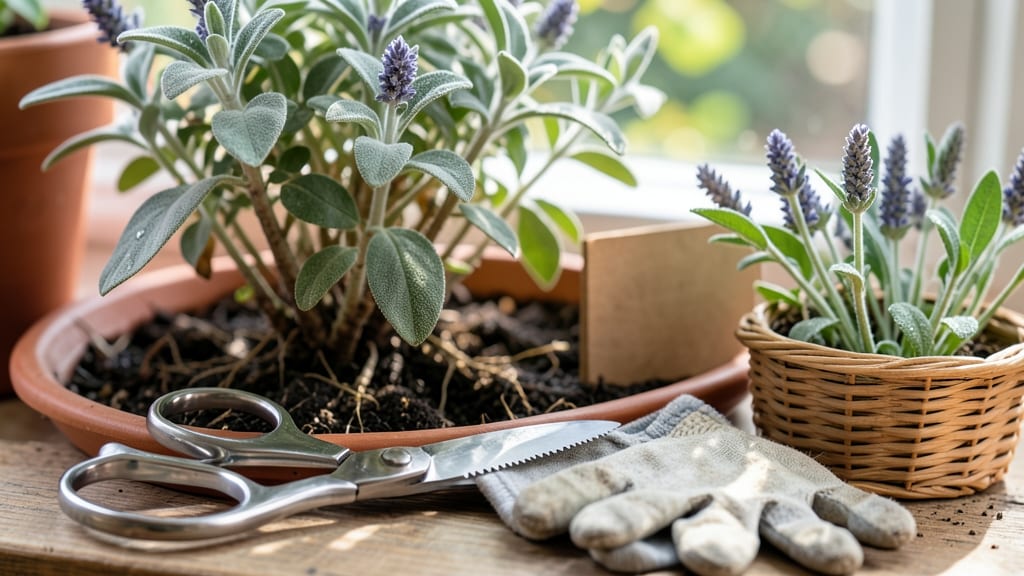
To harvest garden sage at its peak flavor, you’ll need to time it right—just before flowering when the leaves are fully mature and fragrant.
Picture this: you’ve nurtured your 🌿 sage all season, and now it’s ready to elevate your cooking. But harvest too early, and the flavor won’t be strong enough.
Wait too long, and the leaves turn bitter. The key is knowing exactly when to snip for that perfect balance of aroma and taste.
This guide walks you through the best time to harvest—whether it’s spring or fall—and how to do it without harming your plant. You’ll also discover simple techniques to preserve your harvest, so you can enjoy that garden-fresh flavor all year.
From pruning tips to storage methods, you’ll learn everything you need to keep your sage thriving and your kitchen packed with delicious, homegrown herbs.


Best time to harvest sage for peak flavor and growth
Timing your sage harvest correctly ensures you get the most fragrant, flavorful leaves while keeping your plant healthy. For perennial sage, the best harvest windows are early spring and late summer/fall, while annual varieties should be harvested continuously until frost.
Missing these windows can lead to bitter-tasting leaves or even harm your plant.
In spring, harvest just as new growth emerges—this first flush of leaves is the most tender and aromatic. For fall harvests, aim for late August to October, before the first frost.
This timing captures the plant’s second growth cycle, delivering robust flavor without sacrificing next year’s yield for perennials.
Climate plays a key role: In warmer zones (USDA 8-10), extend your fall harvest until November, while cooler zones (USDA 3-6) may need to harvest earlier, around September. Always check your local frost dates to avoid damaging the plant.
Leaf maturity is your best indicator—harvest when leaves are fully developed, gray-green, and highly aromatic. Avoid harvesting when flowers appear, as this shifts the plant’s energy toward reproduction, reducing leaf quality and future growth.
| Harvest Window | Season | Leaf Condition | Plant Age | Climate Note |
|---|---|---|---|---|
| Early Spring | March-April | Tender, bright green | 1+ years old | Best in cooler climates |
| Late Summer | August-September | Mature, gray-green | 2+ years old | Peak flavor before frost |
| Fall | October-November | Woody stems, fragrant | Mature plants | Extend in warm zones |
| Avoid | Flowering stage | Bitter, tough leaves | Any age | Sacrifices next year's growth |
To avoid over-harvesting, never remove more than one-third of the plant at a time. Focus on outer stems first, as these are fully mature while leaving the center growth to thrive.
For annual sage, you can harvest more aggressively, but always leave at least 6-8 inches of growth to sustain the plant.
Prune woody stems in early spring to encourage new growth, but avoid heavy pruning in fall—this can stress the plant before winter. If you’re growing dwarf varieties, like 'Berggarten,' harvest individual leaves instead of stems to maintain a compact shape.
For maximum flavor, harvest in the morning after the dew has dried but before the heat of the day. This ensures the leaves are at their peak potency.
Store harvested sage in a paper bag in the fridge for up to a week, or dry it immediately for long-term use.
Over-harvesting can weaken your sage plant, making it vulnerable to pests or disease. If you notice yellowing leaves or stunted growth, scale back harvesting and focus on watering and sunlight to recover. A healthy plant will reward you with years of flavorful harvests.
Pro tip: If your sage starts flowering, pinch off the buds immediately to redirect energy back to leaf production. This simple step can double your harvest yield in the following season.
Step-by-step sage harvesting techniques for maximum yield
Harvesting your garden sage at the right time and with the proper technique ensures you get the most aromatic, flavorful leaves while keeping your plant healthy and productive.
Unlike many herbs, sage thrives when you follow a few key pruning principles—cutting too much or too little can actually reduce your harvest in the long run.
For best results, focus on harvesting mature leaves from non-flowering stems, as once sage blooms, the leaves become bitter and less potent. I’ve found that a combination of selective leaf picking and pruning stems gives me the highest yield without stressing the plant.
How to Harvest Garden Sage
- 1 Choose the right time: Harvest in the morning after dew has dried but before the midday sun intensifies. This ensures the highest oil concentration in the leaves.
- 2 Identify mature stems: Look for stems with fully developed leaves (about 3-4 inches long) and no flower buds. Avoid cutting stems with woody centers, as these won’t regrow well.
- 3 Gather your tools: Use clean, sharp pruners or scissors (sterilized with rubbing alcohol) to make clean cuts. Never tear leaves—this damages the plant and reduces future growth.
-
4
Harvest stems vs. leaves:
- For drying or long-term storage, cut 3-4 inch stems just above a leaf node (where new growth emerges).
- For immediate use, pinch off individual leaves from the top of the plant, leaving at least half the leaf attached.
- 5 Prune for bushier growth: After harvesting, trim back any overly long stems to encourage new side shoots. Aim to remove no more than one-third of the plant’s foliage in a single session.
- 6 Post-harvest care: Water the plant deeply after harvesting to help it recover. Avoid fertilizing for 4-6 weeks to let the plant focus on regrowth rather than leaf production.
When harvesting stems for drying, bundle them together and hang them in a dark, well-ventilated area (like a closet or pantry) for 1-2 weeks.
For fresh use, store harvested leaves in the fridge wrapped in a damp paper towel for up to 5-7 days—this keeps them vibrant and flavorful.
Pro tip: If your sage plant starts to look leggy or sparse, a light pruning in early spring can rejuvenate it. Just trim back the oldest stems by about one-third to stimulate new growth. This is especially useful for older plants that need a little encouragement to stay productive.
Remember, consistent harvesting (every 4-6 weeks during the growing season) leads to a bushier, more productive plant over time. The key is balance—never take too much at once, and always prioritize healthy regrowth over immediate yield.