
Picking
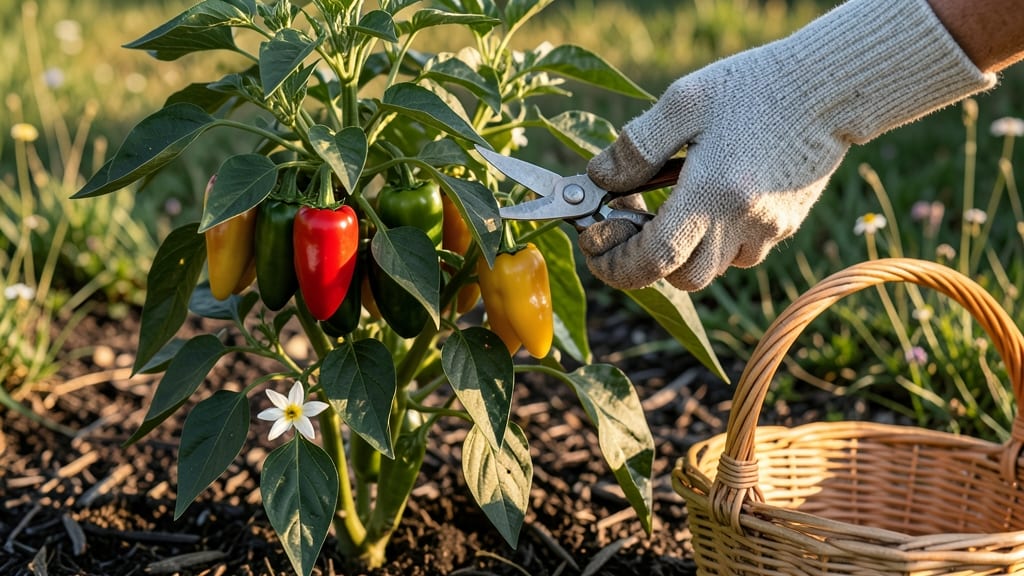
To pick garden salsa peppers at their peak, watch for the color shift from green to vibrant red, orange, or yellow—this means full flavor and heat.
Timing is everything when harvesting salsa peppers—pick them too early, and you’ll sacrifice flavor and heat; too late, and they’ll turn mealy or bitter.
In Zone 6a, your peppers are ready between July and October, but the exact moment depends on color, size, and firmness. A deep red pepper isn’t just prettier—it’s packed with more capsaicin, the compound that makes them fiery.
Below, I’ll break down the exact ripeness cues, regional timing tweaks, and how to store your harvest so every bite stays bold and crisp.


How to identify salsa pepper ripeness by color and size
Knowing when to pick garden salsa peppers transforms a good harvest into a great one. These vibrant peppers change dramatically as they mature—from green and firm to deeply colored and glossy.
Each stage affects flavor intensity and heat levels, so timing matters. For example, green peppers are milder and crisper, while red or orange peppers pack a sweeter, more complex punch.
The key to perfect salsa peppers lies in understanding their color progression and size indicators. Most varieties transition from green to red, orange, or yellow, but some stay green even when mature. Size also matters: smaller peppers are hotter, while larger ones develop richer flavors.
For instance, a jalapeño might be ready at 3 inches, while a bell pepper needs 4-5 inches. Let’s break down the signs so you never miss the ideal harvest window.
🌶️ Color is your first clue. Green peppers are immature and often milder in heat. As they ripen, they deepen in color—yellow or orange signals sweetness, while red or deep purple means peak flavor and maximum capsaicin (the compound that delivers heat). Some varieties, like serrano peppers, stay green but turn glossy and firm when ready. Always check the stem’s snap test: a mature pepper will break cleanly at the stem.
Don’t overlook size as a ripeness indicator. Most salsa peppers reach harvest readiness between 2 and 4 inches, depending on the variety.
For example, jalapeños are typically ready at 2-3 inches, while habaneros might stay small but become intensely hot. Overripe peppers (soft, wrinkled, or dull in color) lose their crispness and develop a mealy texture, which ruins their quality for fresh use or cooking.
Maturity also impacts heat levels. Younger peppers are often milder, while fully ripe ones—especially red or orange varieties—develop higher capsaicin content. For instance, a green serrano pepper might clock in at 10,000 Scoville units, but a red serrano can reach 15,000 or more.
If you’re growing peppers for heat, let them ripen fully before harvesting. However, if you prefer milder flavors, pick them earlier in the green or yellow stage.
Regional climate plays a role too. In hotter zones (8-10), peppers ripen faster—sometimes in as little as 60 days. In cooler zones (6-7)**, they may take up to 90 days to reach full color.
Pay attention to your local first frost date and adjust your harvest timeline accordingly. If frost threatens before peppers ripen, pick them green and let them ripen indoors on a sunny windowsill.
Pro tip: Harvest in the morning when peppers are cool and crisp. Use clean pruning shears or pinch the stem between your fingers to avoid damaging the plant. Leave a small stem attached to prevent rot and extend shelf life.
If you’re unsure whether a pepper is ready, taste test one—the flavor will tell you everything you need to know.
Overlooking ripeness signs can lead to bitter or bland peppers. For example, green bell peppers picked too late turn tough and seedy, while red jalapeños left on the vine past their prime lose their signature snap.
By mastering these color and size cues, you’ll ensure every pepper you harvest is bursting with flavor and perfect for your favorite salsas, pickles, or fresh snacks.
🌱 Ready to harvest? Grab your basket and start checking those peppers daily—you’ll know when they’re just right!
Best practices for harvesting salsa peppers without damaging plants
Harvesting salsa peppers at the right time preserves their bold flavor and heat intensity, but improper techniques can stress your plants and reduce future yields. I’ve learned the hard way—over-picking or using the wrong tools can leave plants vulnerable to pests and disease.
The key is to harvest strategically, using gentle methods that keep your plants productive for weeks longer.
Start by checking for maturity signs like deep color and firmness. Green peppers can be picked early for milder heat, while red, orange, or yellow varieties signal peak flavor. But timing isn’t the only factor—how you harvest matters just as much.
Use sharp tools or clean fingers to avoid tearing stems, and always pick in the morning when peppers are crisp and hydrated.
⚠️ When to Pick Garden Salsa Peppers
Over-mature peppers lose heat and flavor, while underripe peppers lack potency. Harvest salsa peppers when:
- Color shifts from green to red, orange, or yellow (varies by variety).
- Size reaches 2–4 inches long, depending on the type.
- Skin feels firm but yields slightly when gently pressed.
- Stem snaps cleanly—if it resists, the pepper isn’t ready.
Warning: Leaving peppers on the vine past maturity drains the plant’s energy, reducing future harvests. Pick consistently every 2–3 days during peak season to encourage more production.
For hand-picking, grasp the pepper firmly at the base and twist gently until it separates from the stem. Avoid tearing—this can introduce bacterial infections like pepper blight.
If you’re harvesting a large batch, use clean pruning shears sterilized with rubbing alcohol. Always cut just above the leaf node to prevent damage to the main stem.
After harvesting, inspect your plants for signs of stress, like yellowing leaves or wilting. If over-picked, revive your salsa peppers by trimming damaged foliage and applying a balanced fertilizer (like 10-10-10) to boost recovery.
Water deeply in the morning to replenish moisture lost during harvest. With proper care, your plants can bounce back and produce for weeks longer.
Store freshly picked peppers in a cool, dry place (like a mesh bag in the fridge) for up to a week. For long-term storage, freeze them whole or dry them in a dehydrator.
This preserves their heat and flavor for future salsa batches. Pro tip: Label varieties by color and heat level—red peppers often pack the most capsaicin, while green ones are milder but crisper.
Remember, the goal is sustainable harvesting. By picking at the right stage and using gentle techniques, you’ll enjoy a longer harvest season and healthier plants. Happy harvesting—your taste buds (and future salsa recipes) will thank you!