
Planting
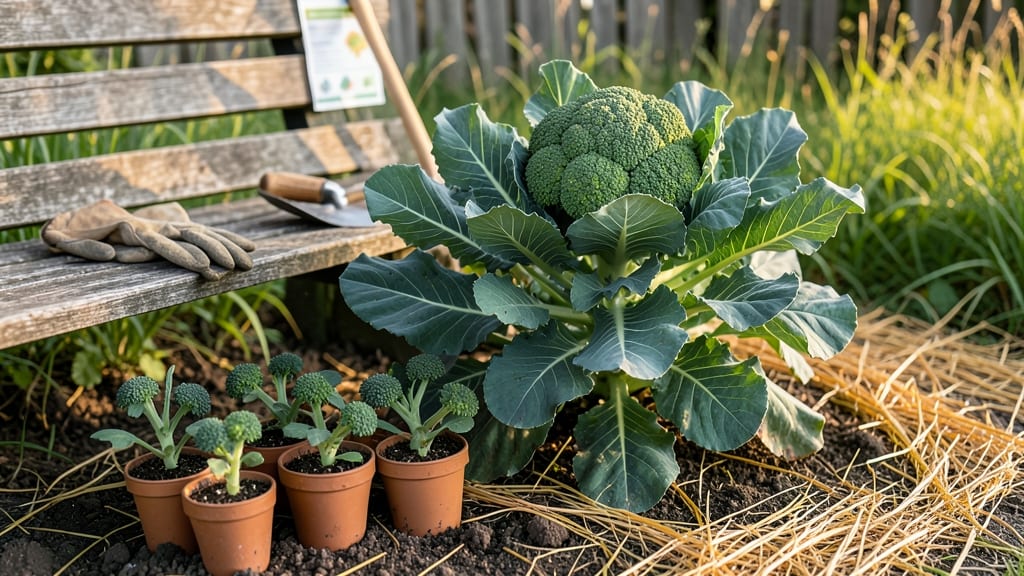
Planting a fall garden in North Texas means timing your crops for the 60-day window between sweltering summer and early frost — and missing it can mean wilted seedlings or wasted effort.
North Texas gardeners know timing is everything—plant too early, and your fall crops will bolt in the heat; too late, and frost ruins your harvest. But with the right schedule, you can enjoy crisp greens, sweet potatoes, and cool-season veggies all season long.
In Zone 8a, the ideal planting window runs from mid-August to mid-October, but not all crops thrive in that full stretch. Leafy greens like kale and spinach need cooler soil, while heat-lovers such as okra and black-eyed peas demand early starts.
Below, I break down the exact dates for each crop type, how to adjust for urban heat islands, and the three key signs your plants are ready for harvest before the first frost hits.
North Texas fall planting calendar: exact dates by crop type
North Texas gardeners face a delicate balance when planting fall gardens—the first frost typically arrives around November 15, but late summer heat can still linger into September. To succeed, I’ve mapped out precise planting windows for heat-tolerant and frost-sensitive crops, ensuring you avoid both bolting and frost damage.
Start with warm-season crops like sweet potatoes in mid-August, then transition to cool-season greens by mid-September.
Key to this schedule is understanding your local microclimate. Urban areas like Dallas often experience 5-10°F warmer soil temperatures than rural zones, while elevated areas in Zone 8b may get frost earlier.
Always check soil temperatures—aim for 60-75°F for warm-season crops and 50-60°F for cool-season varieties. Use a soil thermometer to verify before planting.
Below is a month-by-month guide for planting vegetables, herbs, and flowers in North Texas, organized by crop type and heat tolerance. I’ve highlighted critical deadlines to avoid common pitfalls like early bolting or frost damage.
🌱
| Crop Type | Heat Tolerance | Planting Window | Key Notes |
|---|---|---|---|
| Warm-Season Vegetables | High | Mid-August – Early September | Sweet potatoes, okra, southern peas. Plant 6-8 weeks before first frost. |
| Cool-Season Vegetables | Low | Mid-September – Late October | Lettuce, spinach, kale, broccoli. Use row covers for frost protection. |
| Herbs | Moderate | Late August – Mid-October | Basil, cilantro, parsley. Basil bolts fast—plant late August for harvest before heat. |
| Flowers | Moderate | Early September – Early October | Marigolds, zinnias, cosmos. Avoid frost-sensitive varieties like impatiens. |
| Root Vegetables | High | Late August – Mid-September | Carrots, beets, radishes. Small varieties mature faster in short seasons. |
| Brassicas | Low | Mid-September – Early October | Cabbage, broccoli, Brussels sprouts. Start indoors for earlier harvests. |
For warm-season crops, prioritize late August planting to give them time to establish before temperatures drop. Sweet potatoes and okra need 90+ days to mature, so don’t wait past early September.
If you’re in a Zone 8b area with earlier frosts, shift these to late July for a safe harvest.
Cool-season crops like lettuce and spinach thrive when daytime temps hit 70°F or below. Plant these in mid-September for a harvest before November’s first frost.
Use succession planting every 2-3 weeks to extend your harvest window. For example, sow radishes every 10 days—they mature in just 25 days!
Herbs like cilantro and parsley are cool-season champions, but they’ll bolt if planted too early. I recommend waiting until late August for cilantro to avoid 90°F+ heat, which triggers flowering. Basil, however, is a warm-season herb—plant it by mid-August and harvest leaves aggressively to delay bolting.
Flowers add color and attract pollinators, but frost-sensitive varieties like impatiens must be planted by early September to bloom before frost. Opt for marigolds or zinnias, which tolerate cooler temps and even light frosts. These self-seeding annuals often return in spring, saving you planting time next year.
Root vegetables like carrots and beets need consistent moisture to avoid forking or woodiness. Plant them in late August for a harvest before October’s cooler temps. Smaller varieties like ‘Paris Market’ carrots mature in 50 days, perfect for short
How to adjust planting dates for North Texas weather patterns
North Texas’ unpredictable weather can turn a perfect fall garden into a disaster if you don’t adjust your planting dates. Heat waves in September and early frosts by November force gardeners to think flexibly.
The key is understanding your microclimate—whether you’re in urban Dallas, rural Hill Country, or a suburban backyard—and using tools to extend your growing season.
Soil temperature is your first clue. Cool-season crops like lettuce and spinach thrive when soil drops below 75°F. Use a soil thermometer to test before planting. In North Texas, this usually happens by mid-September, but heatwaves can delay it for weeks.
If your soil stays hot, opt for heat-tolerant varieties like Malabar spinach or Swiss chard.
- 1. Start with shade cloth for early plantings (30-50% shade) to protect seedlings from 90°F+ days in late summer.
- 2. Use row covers (floating or hoop tunnels) to delay frost sensitivity by 2-4 weeks for crops like kale and broccoli.
- 3. Succession plant every 2 weeks from August to October to stagger harvests and avoid bolting.
- 4. Monitor heatwave alerts—adjust watering to deep, infrequent soaks during extreme heat.
- 5. Plant frost-tolerant crops last (e.g., garlic, onions) in October-November for early spring harvests.
Microclimates play a huge role. Urban areas like Fort Worth can be 5-10°F warmer than rural zones due to pavement and buildings. If you’re in a heat pocket, plant fast-maturing crops like radishes or bush beans.
For cooler spots, like shaded backyards, you can push the envelope with longer-season crops like cabbage or Brussels sprouts.
Don’t forget about succession planting. Instead of planting everything at once, sow small batches every 2 weeks from August through October. This ensures a steady harvest and reduces the risk of losing your entire crop to a single heatwave or frost.
For example, plant lettuce every 10 days—the first batch matures just as the last one is ready to transplant.
When frost threatens, act fast. Row covers can protect plants down to 20°F, while mulch (straw or leaves) insulates soil and roots. For extreme cold snaps, move potted herbs like parsley or cilantro indoors. Even a few degrees of warmth can keep your garden alive until spring.
Finally, keep a gardening journal to track what works in your yard. Note when you planted, how your crops responded to heat or cold, and which varieties thrived. Over time, you’ll fine-tune your schedule to perfection—because in North Texas, flexibility is the secret to success. 🌱