
Picking
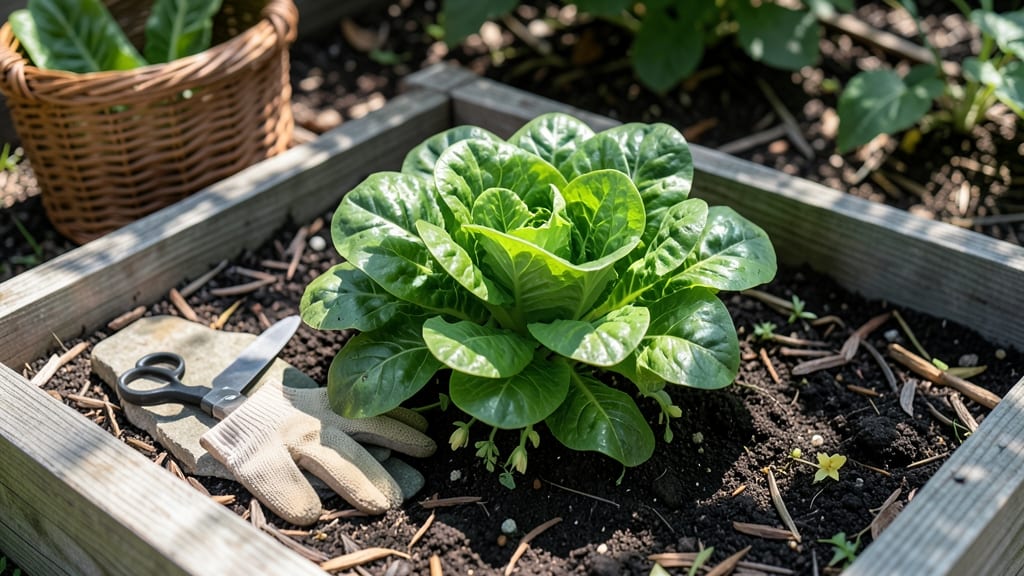
Garden lettuce 🥬 is ready to pick when its leaves reach 4–6 inches in height and feel crisp to the touch—timing that can shift by weeks depending on your variety and climate.
Harvesting lettuce at the perfect moment means the difference between crisp, flavorful salads and bitter, wilted disappointment—so how do you know when your garden lettuce is truly ready?
Leaf lettuce typically matures in 30–60 days, while head varieties like romaine or iceberg take 70–85 days to reach full size. Cooler spring and fall weather slows growth, so check your local frost dates and adjust expectations accordingly.
In this guide, I’ll walk you through three simple leaf tests to determine the ideal harvest time, plus tips for cutting lettuce without killing future growth and avoiding common mistakes like bolting or bitterness.


3 Leaf tests to determine lettuce harvest readiness
Knowing exactly when to harvest your lettuce can feel like guessing—one day it's tender, the next it's bitter or bolting. The secret lies in three simple leaf tests that reveal maturity without guesswork.
These tests work for both loose-leaf varieties (like Buttercrunch) and head lettuce (like Iceberg), ensuring you pick at peak flavor and texture.
First, check the leaf size. Most lettuce varieties are ready when leaves reach 4–6 inches in diameter. For loose-leaf types, aim for 6–8 mature leaves per plant. Head lettuce should form a tight, compact head about 3–4 inches wide.
Smaller leaves mean more time in the garden, but waiting too long risks bolting or bitterness.
| Test Type | Loose-Leaf Lettuce | Head Lettuce | Not Ready Signs |
|---|---|---|---|
| Leaf Size | 6–8 mature leaves, 4–6" wide | Tight head, 3–4" diameter | Leaves <4" wide or sparse |
| Leaf Texture | Crisp, firm edges | Dense, firm head | Soft, wilted, or hollow stems |
| Color | Vibrant, consistent hue | Deep, even color | Pale, yellowing, or uneven |
| Harvest Time | 30–45 days after sowing | 70–85 days after sowing | Before flowering (bolting) |
Next, test the leaf texture. Run your fingers over the leaves—ready lettuce feels crisp and firm, almost snapping slightly when bent. Head lettuce should have a solid, unbroken head with no gaps.
If leaves feel soft or hollow, they’re overmature or stressed. This test is especially critical for butterhead varieties, which lose tenderness quickly.
Color is your third clue. Mature lettuce leaves should be vibrant and consistent in hue—deep green for most types, rich red or purple for varieties like Romaine or Red Leaf. Uneven coloring (pale patches or yellowing) signals nutrient deficiencies or heat stress.
For head lettuce, the outer leaves should match the inner head’s color. A color mismatch often means the head is ready, but the outer leaves are lagging.
Variety matters! Loose-leaf lettuce (like Oakleaf) matures faster (30–45 days) and can be harvested leaf by leaf, encouraging regrowth. Head lettuce takes longer (70–85 days) and should be harvested whole.
If you’re growing cut-and-come-again types, start picking outer leaves when they’re 4–5 inches tall, leaving the inner leaves to keep growing.
Timing also depends on your climate. In cooler spring/fall weather, lettuce grows slower, so extend your harvest window by 1–2 weeks. In hot summers, growth speeds up—watch for bolting (flowering) and harvest aggressively to avoid bitterness.
If your lettuce starts sending up tall flower stalks, it’s past its prime and best used in cooked dishes or composted.
Pro tip: Harvest in the morning when leaves are cool and crisp. Use a sharp knife or clean scissors to avoid crushing stems. For head lettuce, cut the entire head 1 inch above the soil.
For loose-leaf types, snip outer leaves just above a leaf node to encourage new growth. This method lets you enjoy multiple harvests from one plant.
Overlooking these tests can lead to bitter lettuce or wasted effort. If your lettuce tastes sharp or peppery, it’s likely overheated or overmature. Conversely, harvesting too early means small, underdeveloped leaves with less flavor. Balance is key—aim for large but not overripe leaves for the best salads and sandwiches.
Once you master these three leaf tests, you’ll never second-guess harvest time again. Start with leaf size, confirm with texture, and double-check with color. Your garden’s crisp, flavorful lettuce is just a few snips away! 🥬
How to harvest lettuce without ruining future growth
Once your lettuce reaches the perfect harvest stage, the next critical step is cutting it properly to ensure both immediate freshness and future regrowth. The wrong technique can stress your plants, encourage bolting, or leave you with sad, wilted leaves.
I’ve learned the hard way that patience and precision pay off—your lettuce will thank you with weeks of continuous harvests!
For loose-leaf varieties, the key is to harvest selectively, while head lettuce often requires a more decisive approach. The method you choose depends on your variety and whether you want to encourage more growth.
Let’s break down the exact steps to follow, so you can enjoy a steady supply of crisp lettuce all season long.
Step-by-Step Lettuce Harvest Guide
- 🌱 Step 1: Choose Your Method
- Cut-and-come-again: Ideal for loose-leaf varieties like romaine or butter lettuce.
- Full head harvest: Best for iceberg or crisphead lettuce when fully mature.
- 🪴 Step 2: Timing Matters
- Harvest loose-leaf lettuce when outer leaves reach 4–6 inches.
- Harvest head lettuce when the head is firm and compact, typically 70–85 days after planting.
- ✂️ Step 3: Use the Right Tools
- Use a sharp knife or clean pruners to avoid crushing leaves.
- Avoid pulling leaves—this can damage the root system.
- 💧 Step 4: Harvest Technique
- Outer leaves: Snip leaves 1 inch above the base for regrowth.
- Full head: Cut the entire head 1 inch above soil to prevent rot.
- 🌡️ Step 5: Monitor for Over-Maturity
- Watch for bitter taste or yellowing leaves—signs it’s past prime.
- If the core turns brown or the plant bolts, it’s time to replant.
- 🌱 Step 6: Encourage Regrowth
- After harvesting outer leaves, water deeply and fertilize lightly with high-nitrogen fertilizer.
- Keep soil consistently moist to support new growth.
Harvesting lettuce at the right frequency is just as important as the technique. For loose-leaf varieties, you can harvest every 1–2 weeks by snipping outer leaves, allowing the inner leaves to keep growing. This method can extend your harvest by 4–6 weeks if done correctly.
Meanwhile, head lettuce is typically harvested all at once, but you can often coax a few more leaves from the base before replanting.
One of the biggest mistakes I’ve seen (and made!) is waiting too long to harvest. Lettuce left in the ground past its prime will quickly turn bitter or bolting—a process where it sends up a tall flower stalk, rendering the leaves inedible.
Watch for these red flags: pale or yellowing leaves, a hollow core, or a sudden spurt of growth toward the sky. If you spot these, it’s time to either harvest immediately or pull the plant and replant for a fresh batch.
Pro tip: In hot climates, lettuce matures faster, so check your plants every 5–7 days to avoid missing the window. Conversely, in cooler weather, growth slows, and you might only need to harvest every 2 weeks.
Always adjust your harvesting schedule based on your local climate and the specific lettuce variety you’re growing.
With the right approach, you can enjoy a continuous supply of fresh lettuce from a single planting. The key is balance—harvest enough to enjoy your bounty without overdoing it, and always be on the lookout for signs that it’s time to replant.
Your garden (and your salad bowl) will thank you!