
Planting
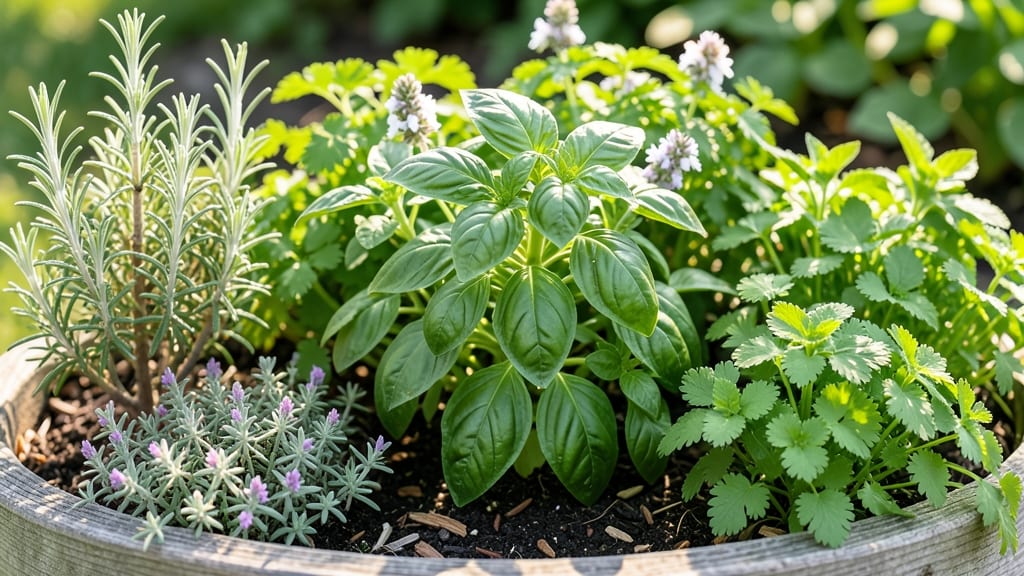
Planting herbs in your garden transforms your kitchen into a fragrant, flavorful hub—whether you're whipping up Italian dishes or brewing soothing teas.
Picture this: fresh basil snipped for pesto, rosemary plucked for roasted chicken, or mint leaves muddled into cocktails—all grown right outside your door. The best part? These easy-to-grow herbs thrive with minimal fuss, making them perfect for beginners and seasoned gardeners alike.
From sun-loving rosemary to shade-tolerant parsley, I’ll break down the top 12 herbs for your garden, their ideal growing conditions, and how to keep them producing all season long. Whether you have a sprawling backyard or just a sunny windowsill, there’s a spot for these versatile plants.
Ready to turn your green space into a culinary and medicinal powerhouse? Let’s dive into the best herbs to plant, their uses, and the simple tricks to maximize your harvest.

Top 12 easy-to-grow herbs for culinary and medicinal gardens
Starting an herb garden is one of the most rewarding ways to enhance your cooking and natural wellness routine. Whether you have a spacious backyard or just a sunny windowsill, these 12 easy-to-grow herbs will thrive with minimal effort.
I’ve selected varieties that offer culinary versatility, medicinal benefits, and fragrant aromas, while adapting to different climates and spaces.
From annual herbs that need replanting yearly to perennial herbs that return every season, this list covers it all. Many of these herbs are also drought-tolerant or space-saving, making them perfect for small gardens, containers, or even indoor growing.
Let’s dive into the best herbs to plant in your garden this year!
🌱 Quick Sprout Tip: Most herbs prefer well-draining soil and 6+ hours of sunlight daily. If your space is limited, focus on compact varieties like thyme or chives.
| Herb Name | Type | Best For | Sun Needs | Water Needs | Mature Size |
|---|---|---|---|---|---|
| Basil | Annual | Culinary | Full Sun | Moderate | 12-24" |
| Rosemary | Perennial | Culinary/Aroma | Full Sun | Low | 3-5 ft |
| Thyme | Perennial | Culinary | Full Sun | Low | 6-12" |
| Mint | Perennial | Medicinal/Culinary | Partial Sun | Moderate | 12-24" |
| Parsley | Biennial | Culinary | Partial Sun | Moderate | 12-18" |
| Oregano | Perennial | Culinary | Full Sun | Low | 12-24" |
| Chives | Perennial | Culinary | Full Sun |
How to maximize year-round herb harvests with simple techniquesFresh herbs don’t have to disappear after summer! With the right techniques, you can enjoy basil, cilantro, and parsley year-round. The key lies in extending your growing season through smart planning and adaptable methods. Whether you have a backyard or just a sunny windowsill, these strategies will keep your herbs thriving. Start by embracing container gardening for herbs like thyme and rosemary, which thrive in pots and can be moved indoors before frost. Pair this with companion planting to deter pests naturally—basil next to tomatoes is a classic combo. Indoor setups with grow lights ensure herbs like mint and chives stay productive even in winter. 1
Extend the Season
Use row covers or cold frames to protect tender herbs like dill and parsley from early frosts. These low-cost solutions can add 2-4 weeks to your outdoor growing season. 2
Container Gardening
Grow herbs in pots for flexibility—move them indoors near south-facing windows or under grow lights when temperatures drop. Rosemary and thyme are perfect for this method. 3
Companion Planting
Pair herbs with veggies to repel pests—basil with tomatoes, marigolds with cilantro. This boosts growth and reduces the need for chemical pesticides. 4
Overwintering Indoors
Bring potted herbs inside before the first frost. Place them near a bright window or under LED grow lights (12-14 hours/day). Reduce watering to prevent root rot. 5
Prune Regularly
Trim herbs back by 1/3 to encourage bushier growth. This works for basil, mint, and parsley. Avoid cutting into woody stems—focus on fresh, green growth. Don’t overlook seasonal care—herbs like cilantro bolt in heat, while parsley becomes woody if left unpruned. Adjust watering: water in the morning to prevent fungal diseases, and use mulch to retain soil moisture. For indoor herbs, mist leaves occasionally to combat dry air from heating systems. Pest control is easier with prevention. Introduce beneficial insects like ladybugs to combat aphids, and remove affected leaves immediately. A neem oil spray (1 tsp per quart of water) works wonders for soft-bodied pests without harming your plants. With these techniques, you’ll enjoy fresh herbs year-round—whether snipping basil for summer salads or harvesting rosemary in winter for cozy teas. Start small, experiment, and soon your herb garden will be a year-round success! 🌿 |