
Planting
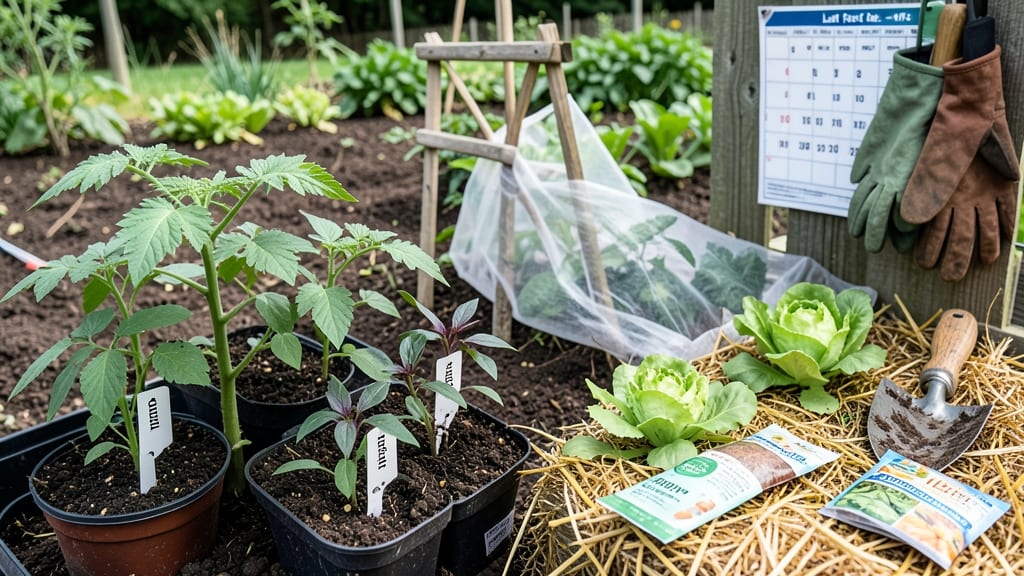
To plant your garden in Ohio, time it between mid-April and early June for most crops, aligning with the state’s Zone 5 frost-free window.
Ohio’s unpredictable spring weather can leave gardeners scrambling—plant too early, and frost ruins your crops; too late, and you miss peak harvests. Mastering Ohio’s Zone 5 planting deadlines ensures your garden thrives from cool-season greens to summer tomatoes.
In northern Ohio, wait until after May 15 for warm-season plants like tomatoes and peppers, while southern Ohio can start as early as April 1. Cool-season crops like spinach and peas, however, can handle earlier planting as soon as the soil is workable.
Below, I’ll break down the exact weeks to plant by crop type, how to adjust for microclimates, and why Ohio State University Extension’s frost-date data matters for your specific region.
Ohio’s Zone 5 planting deadlines by last frost date
Ohio’s Zone 5 climate means frost can strike anytime between March and May, making timing everything for a successful garden. In cities like Columbus, the average last frost date falls around April 15, while Toledo and Cincinnati may see frost linger until May 1.
These dates separate your cool-season crops (like spinach) from warm-season plants (like tomatoes) by just a few weeks.
To avoid frost damage, use the 10-day rule: plant warm-season crops 10 days after your local last frost date. For cool-season crops, start seeds 4-6 weeks before the last frost.
Check NOAA’s Frost/Freeze Product for real-time updates—this tool shows historical frost data down to your zip code, helping you fine-tune your schedule.
Here’s how to use this guide: For Columbus, subtract 2 weeks from the last frost date for warm-season starts; for Toledo, subtract 3 weeks. If you’re in Cincinnati, err on the side of caution—wait until May 10 for heat-loving plants like peppers.
| Region | Avg. Last Frost | Cool-Season Start (Seeds) | Warm-Season Start (After Frost) | Example Crops |
|---|---|---|---|---|
| Columbus | April 15 | March 15–April 1 | April 25–May 5 | Spinach, Kale, Peppers, Tomatoes |
| Cincinnati | April 22 | March 20–April 5 | May 2–May 12 | Lettuce, Broccoli, Basil, Cucumbers |
| Toledo | May 1 | March 25–April 10 | May 11–May 21 | Peas, Radishes, Eggplant, Okra |
*Adjust dates 1–2 weeks earlier for south-facing beds or later for shaded areas.
For cool-season crops, like spinach or kale, sow seeds 4-6 weeks before your last frost date. These plants thrive in 40–60°F soil and can even handle light frosts.
In Columbus, that means starting seeds by March 15, while Toledo gardeners should wait until March 25 to avoid frost damage.
Warm-season crops, such as tomatoes and peppers, need soil temperatures above 60°F. Use a soil thermometer to confirm—if it’s below 60°F, wait.
In Cincinnati, this typically means planting after May 2, but if you’re eager, start seeds indoors 6–8 weeks earlier and transplant after the last frost.
Pro tip: Use row covers or cold frames to extend your growing season by 2–4 weeks. These tools let you plant warm-season crops like cucumbers or squash up to 2 weeks earlier in spring or 2 weeks later in fall. Just remove covers when flowers appear to prevent overheating.
Don’t forget about fall planting! Ohio’s first frost usually hits between October 15–November 1, giving you a second chance to grow cool-season crops. For example, plant broccoli or carrots by August 15 in Columbus for a harvest before winter sets in.
To calculate your local last frost date, visit NOAA’s Climate Data portal and search for your nearest weather station. Look for the 30-year average last frost date—this is your best bet for planning.
If you’re in a microclimate (like a valley or near a lake), add 3–7 days to the average date to account for cooler air settling in low areas.
Remember, successive planting is key in Ohio’s short season. After harvesting early radishes or lettuce, replant with fast-growing crops like bush beans or turnips to maximize your yield. This keeps your garden productive from spring to fall without gaps.
Start with these deadlines, but stay flexible—Ohio’s weather is unpredictable. Keep a gardening journal to track your local frost dates over the years, and adjust your schedule accordingly. With the right timing, you’ll enjoy homegrown tomatoes in July and crisp fall greens long after your neighbors’ gardens have gone dormant.
Best crops to plant in Ohio’s early spring, summer, and fall
Ohio’s short growing season demands smart crop selection to maximize yields. Early spring favors cold-hardy vegetables like kale and peas, while summer heat thrives with tomatoes and peppers. Fall planting extends harvests with hearty greens and root crops. The key? Matching each crop’s temperature preferences to Ohio’s seasonal shifts.
Don’t let Ohio’s unpredictable frost dates catch you off guard. Succession planting—sowing crops in 2-3 week intervals—keeps your garden productive from May through October.
For example, plant lettuce every 3 weeks in spring for continuous harvests, while bush beans thrive in summer’s warmth but bolt in fall’s cooler temps.
🌱 Ohio’s Seasonal Planting Timeline
- Early Spring (March–April): Plant cool-season crops like spinach, peas, and radishes 4–6 weeks before last frost (typically mid-April in most of Ohio).
- Late Spring (May): Transition to warm-season crops like tomatoes, peppers, and cucumbers after soil reaches 60°F (usually mid-May).
- Summer (June–July): Sow heat-loving crops such as okra, sweet potatoes, and basil. Use shade cloth for lettuce to prevent bolting.
- Early Fall (August–September): Replant cool-season crops like kale, carrots, and broccoli 6–8 weeks before first frost (usually late September).
- Pro Tip: Extend seasons with row covers or cold frames to protect tender plants like basil and cucumbers from early fall frosts.
Herbs like dill and cilantro are biennials—plant them in early spring for a summer harvest, then let them self-seed for next year’s crop. Perennial herbs such as oregano and thyme thrive in Ohio’s climate once established, requiring minimal spring care beyond pruning.
Ohio’s short growing season makes succession planting essential. For example, after harvesting early spring radishes, replant the space with bush beans in June. This double-duty approach ensures your garden stays productive without wasting space. Root crops like carrots and beets also benefit from staggered plantings to avoid overcrowding.
Don’t overlook flowers for pollinators! Plant annuals like zinnias in late spring to attract bees and butterflies, while perennials like coneflowers establish roots in early fall for next year’s blooms. A diverse garden with flowers, herbs, and veggies creates a balanced ecosystem that boosts yields.
Test your soil in early spring to adjust pH for acid-loving crops like blueberries (pH 4.5–5.5) or alkaline-tolerant plants like asparagus (pH 7.0–8.0). Ohio’s clay-heavy soils often need compost or sand to improve drainage—especially for root vegetables like potatoes and turnips.