
Tools
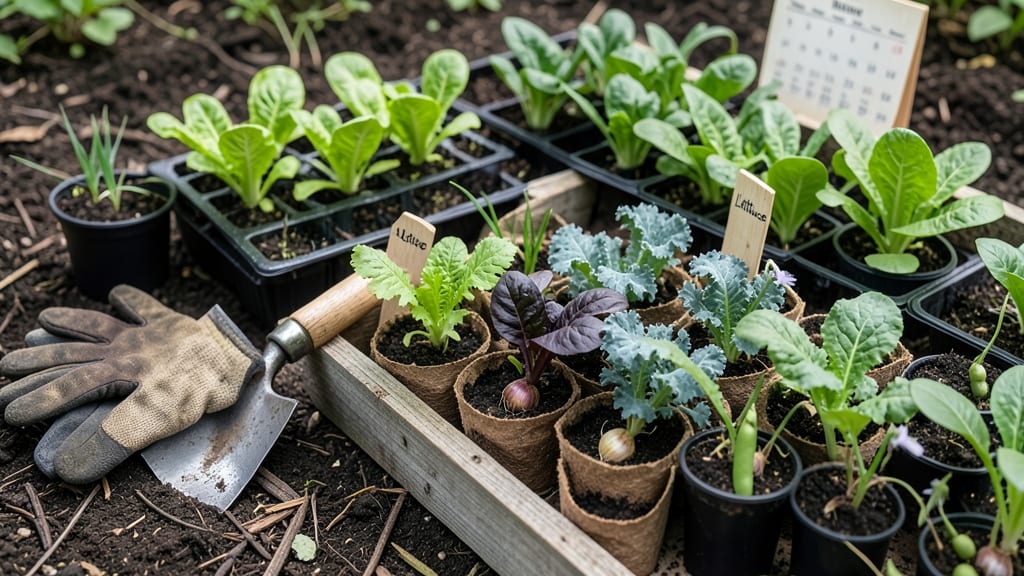
To start a garden in Ohio, timing is everything—plant too early, and a late frost will turn your seedlings into confetti 🌱. Ohio’s spring weather is famously fickle, with some years bringing snow in May and others thawing by March, leaving gardeners guessing whether to rush or wait.
If you’ve ever watched your hard work melt away overnight, you know the stakes. The key is knowing your county’s average last frost date—typically mid-April in southern Ohio but creeping into late May in the north—and adjusting for microclimates like urban heat islands or lake-effect chills near Lake Erie.
This guide breaks down Ohio’s frost zones, shows you how to pick the right crops for early planting, and shares tricks to extend your season—whether you’re in USDA Zone 6a or a warmer pocket of the state.
By the end, you’ll know exactly when to pop those seeds in the ground, which varieties to choose, and how to protect your plants if Mother Nature throws a curveball.
Ohio’s last frost dates by county: a risk-free planting timeline
Ohio’s last frost dates vary dramatically from the southern border to the Lake Erie shore, creating a gardening puzzle.
In southern Ohio (like Lawrence County), you can plant cool-season crops as early as March 20, while northeastern Ohio (like Ashtabula County) often waits until May 15. These differences mean your tomato seedlings might thrive in one county while still needing row covers in another.
Understanding your USDA hardiness zone (ranging from 5b in the north to 6b in the south) helps, but historical frost data is the real game-changer.
For example, Columbus (Franklin County) averages its last frost on April 20, but 1 in 3 years sees frost as late as May 5. That’s why I’ve broken down the average last frost dates by county—so you can plan with confidence.
Why these dates matter: Planting warm-season crops like peppers or cucumbers before the last frost risks seedling death, while cool-season crops like spinach or kale can handle light frosts. The key is knowing when to harden off seedlings and when to direct-sow outdoors.
| County | USDA Zone | Avg. Last Frost | Cool-Season Window | Warm-Season Window |
|---|---|---|---|---|
| Adams | 6a | April 10 | March 15 - April 10 | April 20 - May 10 |
| Ashtabula | 5b | May 15 | April 1 - May 15 | May 25 - June 5 |
| Athens | 6a | April 15 | March 20 - April 15 | April 25 - May 10 |
| Belmont | 6a | April 20 | March 25 - April 20 | May 1 - May 15 |
| Franklin | 6a | April 20 | March 25 - April 20 | May 1 - May 15 |
| Hamilton | 6a | April 15 | March 20 - April 15 | April 25 - May 10 |
| Lake | 5b | May 10 | April 1 - May 10 | May 20 - June 1 |
| Lawrence | 6b | April 5 | March 1 - April 5 | April 15 - April 30 |
| Lucas | 6a | April 10 | March 15 - April 10 |
How to adjust planting dates for Ohio’s microclimates and weather patternsOhio’s diverse geography creates microclimates that can shift planting windows by weeks. Cities like Columbus experience urban heat islands that delay frost, while areas near Lake Erie stay cooler longer due to lake-effect winds. Even within a single county, your backyard’s frost risk can vary based on elevation and wind exposure. Understanding these patterns helps you avoid late-spring freezes that can devastate tender seedlings. Start by using the Ohio State University Extension’s frost date calculator, which accounts for your specific ZIP code. For example, Toledo’s average last frost is April 15, but inland areas like Findlay may wait until May 1. These tools also provide historical trends, helping you plan for 30-year averages rather than relying on a single year’s data. Pair this with local weather station data—sites like NOAA’s Climate Data show how 2023’s late April freeze affected different regions. 🌱 Ohio Microclimate Adjustments
For high-risk areas, like the Appalachian foothills or sandier soils (common in northeast Ohio), opt for fast-maturing varieties or staggered plantings. For example, sow radishes every 2 weeks from mid-April to early June to ensure a continuous harvest before first frost. Pair this with season extenders: Floating row covers add 2–4°F of protection, while hoop houses can push harvests 4–6 weeks later in fall. Don’t overlook historical weather patterns. Check Ohio’s climate normals for your county—some areas, like Sandusky, average 3 late frosts after April 15, while Athens rarely sees frost after April 1. Use this data to adjust planting dates or choose frost-resistant seeds, like ‘Arctic King’ potatoes or ‘Winterbor’ kale, which tolerate 25°F temps. Finally, keep a gardening journal to track your local patterns. Note when volunteer plants (like dandelions or purslane) sprout—these are nature’s frost indicators. Over time, you’ll refine your planting calendar to match your microclimate’s quirks, turning Ohio’s unpredictable weather into a predictable advantage. With these adjustments, you’ll beat Ohio’s frost risks and enjoy a longer, more reliable harvest—no matter where you garden in the state. 🌿 |