
Plants
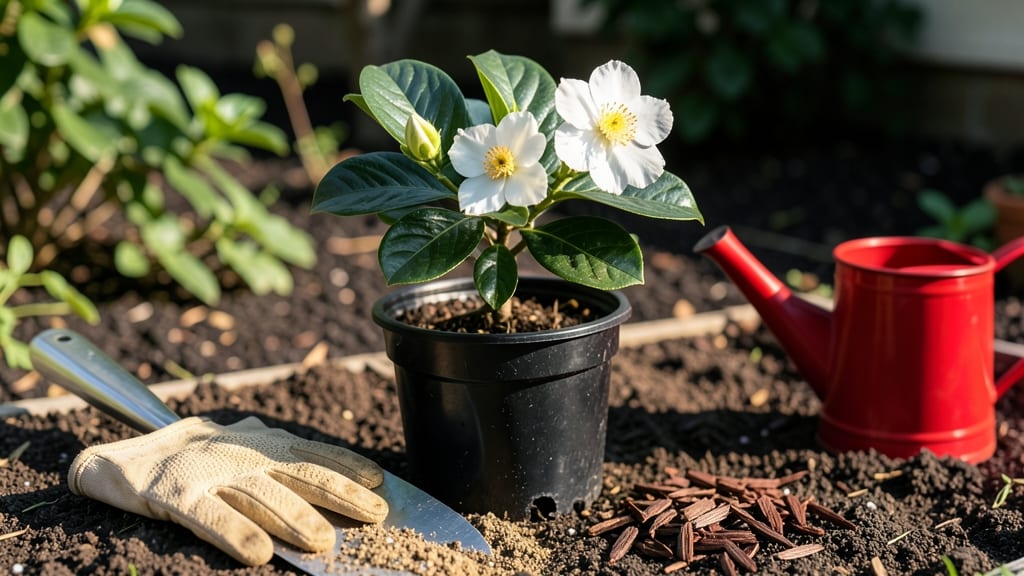
Planting gardenias in Georgia at the right time means the difference between fragrant blooms and frost-damaged shrubs.
Georgia’s mild winters and hot summers create the perfect climate for gardenias 🌸 — but timing is everything. Plant too early, and a late frost could kill your young shrub. Wait too long, and you miss the ideal window for root establishment before summer’s heat sets in.
For most of Georgia’s 7b-8b zones, the best months to plant are March through April, after the last frost date around March 15. This gives your gardenia time to root deeply before summer’s humidity peaks, setting the stage for lush, fragrant blooms all season long.
Below, I’ll break down the exact planting window for your region, whether you’re planting in-ground or containers, and how to protect your gardenia from Georgia’s unpredictable weather.
Ideal planting months for gardenias in Georgia’s climate zones
Georgia’s USDA Zones 7a-8b offer perfect conditions for gardenias, but timing your planting is critical. Gardenias thrive when planted after the last frost date, which typically falls between mid-March and early April across most of the state.
In coastal Georgia (Zone 8a-8b), you can plant as early as late February since frost risks are lower.
For in-ground planting, soil temperatures should reach at least 60°F (15°C)—a key indicator that roots will establish quickly. In container planting, you have slightly more flexibility, but still avoid planting before late March to prevent cold damage to tender roots.
Here’s a quick breakdown of the best planting windows by Georgia’s microclimates:
If you miss the ideal window, fall planting is possible in Zone 8a-8b (coastal areas) by mid-October. However, gardenias need time to establish roots before winter, so avoid planting after November 1st—this gives roots just enough time to harden off before dormancy.
For container planting, you can push the envelope slightly earlier (by 2-3 weeks) because pots warm up faster. Just ensure your containers have drainage holes and use a lightweight potting mix to prevent waterlogging.
I’ve had success planting potted gardenias in late February in Zone 8a by placing them in a sheltered spot and covering them with frost cloth at night.
Adjust your timing if you experience an early frost warning. Monitor local National Weather Service alerts and use a soil thermometer to confirm temperatures. Gardenias can tolerate brief dips to 28°F (-2°C), but prolonged cold will damage foliage and buds.
Pro tip: Mulch heavily (3-4 inches) after planting to insulate roots and retain moisture. Use pine straw or shredded bark, which also acidifies the soil—a must for gardenias. Avoid fresh wood chips, as they can compact and suffocate roots over time.
Once planted, water deeply (1 gallon per plant) and keep the soil consistently moist for the first 4-6 weeks. Gardenias in Georgia’s clay soil need extra attention—amend with peat moss or compost to improve drainage and aeration.
Timing your gardenia planting correctly means the difference between vibrant blooms and struggling shrubs. With Georgia’s climate, you’ve got a 6-8 week window each spring to get it right—don’t rush it! 🌸
How to extend the gardenia growing season in Georgia’s unpredictable weather
Georgia’s late spring frosts and sweltering summer heatwaves can wreak havoc on young gardenias if you’re not prepared. Even after planting in the ideal March-April window, unexpected 30°F dips or 95°F+ spikes can stress or kill tender new growth.
The key to success? Proactive protection that adapts to Georgia’s Zone 7b-8b microclimates.
I’ve learned through trial and error that mulching, microclimate selection, and seasonal care tweaks can extend your gardenia’s growing season by 4-6 weeks on either end.
For example, my coastal Georgia gardenia thrives year-round with minimal protection, while my Piedmont gardenia needs extra shielding during November cold snaps.
Here’s the critical comparison you need to choose between organic and synthetic frost protection methods for your gardenias:
Organic Frost Protection
Pros
- 🌱 Improves soil over time
- 🌿 Breaks down naturally
- 💧 Encourages beneficial microbes
Cons
- ⏰ Slower to deploy (needs prep)
- 🌡️ Less effective below 28°F
- 🪴 Requires storage space
Synthetic Frost Protection
Pros
- ✅ Instant deployment for emergencies
- 🌡️ Works down to 20°F
- 🪴 Reusable for years
Cons
- 🌱 No soil benefits
- 💧 Can trap excess moisture
- 🔧 Requires maintenance
For organic protection, I recommend a 4-inch layer of pine straw mulch in fall, topped with straw bales during cold snaps. This combo raises soil temps by 5-8°F while keeping roots insulated.
In coastal Georgia, where humidity lingers, I also add row covers when temps dip below 35°F—they trap heat without suffocating the plant.
Synthetic options like frost cloth or plastic sheeting are my go-to for Piedmont gardenias when November freezes threaten. I’ve seen frost cloth protect down to 25°F when secured tightly, but you must remove it by 10 AM to prevent heat buildup.
Pro tip: Stake the cloth to avoid direct stem contact, which can cause rot.
Heatwaves are equally dangerous—95°F+ temps can scorch young leaves and drop buds. My solution? Shade cloth at 30-50% coverage during peak afternoon sun, paired with daily deep watering (1 gallon per plant).
I also prune spent blooms in summer to redirect energy to root growth rather than fruit production, which stresses the plant.
Don’t overlook microclimate selection—plant near south-facing walls or under mature trees to create a 5-10°F warmer zone. In my Athens garden, gardenias near the brick patio bloom 3 weeks earlier than those in open beds.
For container gardenias, move pots to protected porches during cold snaps and elevate them on bricks to prevent root rot from poor drainage.