
Planting
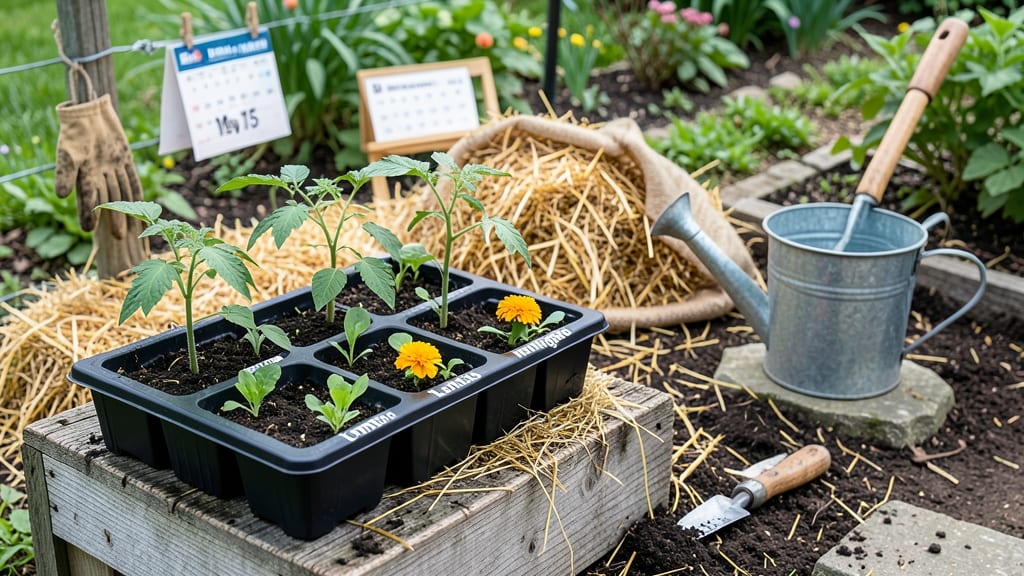
Planting your garden in Michigan at the right time means the difference between a bumper crop and a sad, frost-nipped failure — and the exact dates depend on your zone, crop type, and whether you're sowing seeds or transplants.
Michigan gardeners know timing is everything: plant too early and risk frost damage, too late and miss peak harvests. But with the Great Lakes’ unpredictable climate, when exactly should you start sowing seeds and transplanting seedlings?
The answer isn’t just about the calendar—it’s about soil temperature, frost-free dates, and whether you’re growing cool-season greens or heat-loving tomatoes.
In zones 5b-6b, most gardeners aim for April 15 to May 31 in spring and August 1 to September 15 for fall planting, but these windows shift depending on your location—Upper Peninsula vs. Lower Peninsula—and the crop.
Below, I break down the exact frost-free dates by zone, plus how to adjust for early warm-ups or late cold snaps.
You’ll learn how to time your plantings for maximum yield, which crops to start indoors, and how to extend your season with row covers or cold frames—so you’re not left scrambling when the first frost hits October 15.
Michigan frost-free dates by USDA hardiness Zone: when to start planting
Michigan’s USDA hardiness zones 4a-6a create dramatic differences in frost timing—just 100 miles apart can mean 2-3 weeks of planting window shifts. Northern zones like 4a (UP) often wait until May 15 for warm-season crops, while southern 6a (Detroit) may start by April 20.
The Great Lakes also trigger unpredictable warm-ups, so always check local weather forecasts 1-2 weeks before planting.
For cool-season crops like lettuce and peas, you can start seeds 4-6 weeks before your last frost date—often March-April in most zones.
But warm-season plants such as tomatoes and peppers need soil temperatures above 50°F and should wait until after May 1 in northern Michigan. 2024 data shows some areas experienced earlier warm-ups, but cold snaps in late April remain common.
Here’s your zone-by-zone breakdown of average last frost dates, planting windows, and key adjustments for Michigan’s climate quirks:
| USDA Zone | Avg. Last Frost | Cool-Season Start | Warm-Season Ready | Notes |
|---|---|---|---|---|
| 4a (UP) | May 15 | March 15 (indoors) | May 25 | Coldest zone; use row covers for early starts. |
| 4b (Traverse City) | May 1 | March 20 (indoors) | May 10 | Lake-effect delays frost; monitor soil temps. |
| 5a (Grand Rapids) | April 25 | March 25 (indoors) | April 30 | Moderate risk of late frosts; harden off transplants. |
| 5b (Lansing) | April 15 | April 1 (outdoors) | April 20 | Ideal for early peas and spinach; warm snaps common. |
| 6a (Detroit) | April 1 | March 10 (outdoors) | March 25 | Urban heat islands may allow earlier planting. |
In Zone 4a (Upper Peninsula), I’ve learned to wait until May 25 for tomatoes—even if soil feels warm—because late April cold snaps can kill seedlings overnight.
For Zone 6a (Detroit), I start peppers indoors in March and transplant by April 15, using black plastic mulch to warm the soil faster. 2024 trends show some areas hit 60°F soil temps by April 10, but don’t rush—root crops like carrots need consistent cool soil to prevent forking.
For fall planting, aim to sow cool-season crops 90-120 days before your first frost (typically October 1-15).
In Zone 5b, I plant kale and radishes in August and use row covers to extend harvests into November. Warm-season crops like beans can handle light frosts, but tomatoes will bolt if temperatures dip below 50°F after transplanting.
Pro tip: Use a soil thermometer—warm-season plants need 50-60°F soil for roots to establish.
In Zone 4b, I’ve seen 60°F soil by May 5 one year and May 20 the next. Adjust planting dates based on 3-year averages from your local NOAA climate station, not just the USDA zone map.
For example, Traverse City’s Lake Michigan influence can delay frosts by 1-2 weeks compared to inland areas.
If you’re in Zone 5a or warmer, don’t overlook succession planting for bush beans—sow every 2 weeks from May 1 to June 15 for continuous harvests.
And for frost-sensitive perennials like lavender, hold off until June 1 in northern zones to avoid spring frost damage. Historical data shows that 2023’s early June frost
Best planting schedule for Michigan crops: cool-season vs. warm-season timing
Michigan’s cool springs and early autumn frosts demand precise planting timing. Cool-season crops like lettuce and peas thrive when soil temps hit 40°F, while warm-season favorites like tomatoes need 60°F+ soil to avoid stunted growth.
The key? Aligning your schedule with Michigan’s average last frost dates (April 15 in southern zones to May 15 in the UP) while accounting for microclimates near lakes or urban areas.
For direct-sown seeds, timing differs from transplants. For example, lettuce seeds can go in 3-4 weeks before last frost, but tomato transplants need to wait until 2 weeks after—or risk cold damage.
Succession planting is your secret weapon: sow radishes every 2 weeks for a continuous harvest, or plant beans in batches to stretch your season.
Here’s my month-by-month breakdown for Michigan’s most popular crops, including frost-sensitive vs. frost-tolerant varieties and how to adjust if Mother Nature throws a curveball:
🌱 Michigan Planting Timeline
- March (Indoor Start): Begin tomato, pepper, and basil seeds indoors under grow lights (6-8 weeks before last frost). 🌱
- April (Cool-Season): Direct-sow peas, spinach, and lettuce (hardy to 25°F). Transplant cabbage and broccoli when soil hits 40°F. ❄️
- May (Warm-Up): Harden off indoor seedlings (tomatoes, peppers) and transplant after May 15. Direct-sow beans, cucumbers, and squash when soil is 60°F+. ☀️
- June (Peak Warm-Season): Plant late varieties of corn and melons. Succession-sow bush beans every 2 weeks for fall harvests. 🌿
- July-August (Fall Prep): Direct-sow cool-season crops (kale, radishes) for fall harvests. Transplant broccoli and cabbage by August 1 for winter storage. 🍂
- September (Last Chance): Sow spinach, peas, and garlic for spring harvests. Cover with row fabric to extend season. 🛡️
Pro Tip: Use frost blankets to protect warm-season crops in late May or extend cool-season crops into October.
Adjust for early/late seasons by monitoring soil temperatures (use a soil thermometer) and local frost alerts. For example, if June brings unexpected frost, cover tomato plants with burlap sacks or row covers.
Conversely, if May warms early, you can plant peas 1-2 weeks ahead—just watch for late frost warnings.
Frost-sensitive crops like tomatoes, peppers, and eggplants need 120+ frost-free days to mature. In northern Michigan (USDA Zone 4a), opt for early-maturing varieties like ‘Stupice’ tomatoes (65 days) or ‘Early Girl’ peppers (60 days).
In southern Michigan (Zone 6a), you can push the envelope with ‘Brandywine’ tomatoes (80+ days) if you use row covers.
For succession planting, focus on fast-growing crops like radishes (30 days), lettuce (45 days), and bush beans (50 days).
For instance, sow radishes every 10 days from April to September for a nonstop harvest. Lettuce can be direct-sown every 2 weeks until July 15 for a fall bounty.
Remember: Michigan’s climate is unpredictable, so always have a backup plan. Keep seedling trays ready for late starts, and harvest mature crops first if frost threatens. With this schedule, you’ll maximize your garden’s potential—no matter what Mother Nature throws your way. 🌻