
Pests
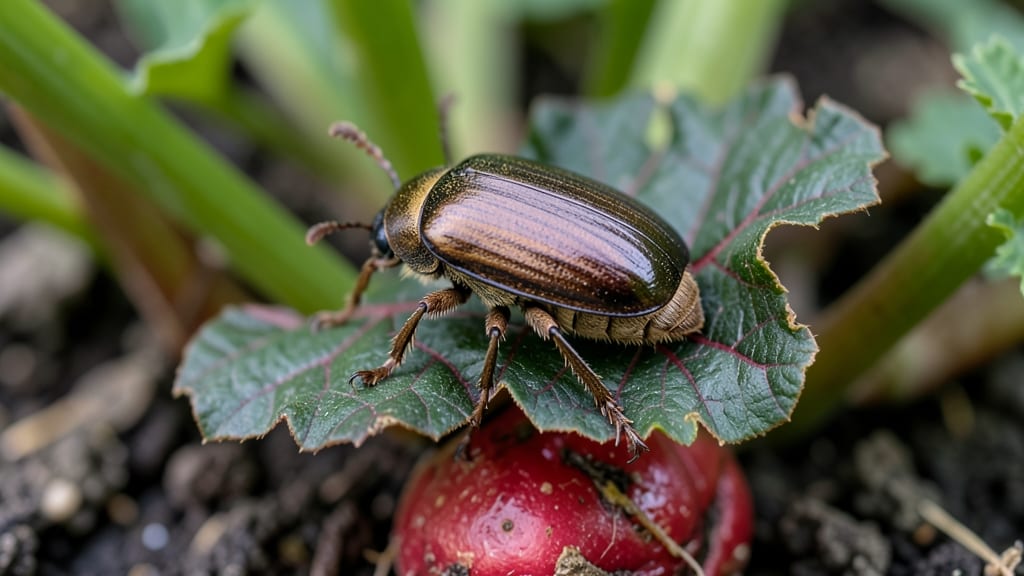
The Asiatic garden beetle is a metallic-green menace that can strip your garden bare in weeks if you don’t catch it early.
Picture this: you wake up to find your prized roses skeletonized, your vegetable plants chewed to the stem, and the culprit—tiny, shiny beetles—scurrying away at your feet. Without swift action, these pests will turn your hard work into a buffet.
But here’s the good news: you can outsmart them. This guide covers how to spot their telltale signs, from chewed leaves to wilting plants, and the most effective organic and chemical controls to stop them in their tracks.
You’ll also learn long-term prevention strategies, like crop rotation and companion planting, to keep your garden thriving without relying on harsh chemicals. Let’s get started.
How to identify Asiatic garden beetles before they cause major damage
Spotting Asiatic garden beetles (AGBs) early can save your garden from devastating damage. These pests are often confused with Japanese beetles, but their distinct physical traits and feeding habits set them apart. The key is knowing what to look for in both their larval and adult stages.
Adult Asiatic garden beetles emerge in late spring to early summer, sporting a metallic-green head and thorax with copper-brown wing covers. Unlike Japanese beetles, their abdomens are white with brown stripes, making them easier to identify once you know what to watch for.
| Stage | Key Features | Size | Target Plants |
|---|---|---|---|
| Adult | Green head/thorax, copper-brown wings, white abdomen with brown stripes | ½-inch long | Roses, grapes, vegetables |
| Larva (White Grub) | C-shaped, creamy white, brown head | 1-inch long | Grass roots, bulbs, tubers |
| Eggs | Pale yellow, laid in soil clusters | 1/16-inch | Grassy areas, garden beds |
Larvae, known as white grubs, are the real troublemakers underground. They feed on grass roots and plant bulbs, causing wilting or sudden plant death. Look for chewed roots or plants that pull easily from the soil.
Adult Asiatic garden beetles prefer roses, grapes, and vegetables like beans and corn. You’ll notice irregular holes in leaves and flowers, often with frass (insect droppings) nearby. Unlike Japanese beetles, they rarely skeletonize leaves but instead create ragged edges.
Timing is everything! Adults are most active from June to August, while larvae thrive from late summer to early fall. Monitor your garden during these peak activity months to catch infestations before they spiral.
One of the easiest ways to confirm an infestation is to shake plants early in the morning. Adults are sluggish then and will drop to the ground.
Check the soil for white grubs by digging a small hole near affected plants—this is how you’ll spot larvae before they cause irreversible damage.
If you find Asiatic garden beetles in your garden, act fast. Their feeding can defoliate plants in days, leaving your garden vulnerable to secondary pests and diseases. Early identification means you can intervene before damage becomes severe.
Pay special attention to newly planted perennials and young vegetables, as these are their favorite targets. A quick inspection of undersides of leaves and soil surface can reveal their presence before they become a full-blown problem.
Remember, prevention is key. Once you’ve identified these beetles, you can implement targeted control measures like hand-picking, neem oil, or beneficial nematodes to protect your garden.
Top 5 organic and chemical control methods to eliminate Asiatic garden beetles
When Asiatic garden beetles strike, quick action is your best defense. These metallic-green pests can skeletonize plants overnight, but targeted control methods can save your garden. I’ve tested the most effective strategies—from organic solutions to chemical interventions—so you can choose what works best for your yard.
Start with the least invasive options like hand-picking and neem oil, which are safe for pets and children. These methods disrupt the beetles’ life cycle without harming beneficial insects. For severe infestations, chemical pesticides like carbaryl or permethrin offer faster results but require careful application to avoid environmental harm.
Pro Tip: Timing matters! Adult beetles are most active at dusk and dawn, making these the best times for hand-picking or applying organic sprays. Larvae, however, hide underground, so focus on soil treatments during their peak activity in late summer and early fall.
Organic vs. Chemical Control Methods
Organic Methods
- Pros: Safe for ecosystems, no residue, pet-friendly
- Cons: Slower results, requires frequent reapplication
Chemical Methods
- Pros: Fast-acting, long-lasting, effective for large infestations
- Cons: Toxic to beneficial insects, requires protective gear, environmental risks
My top organic method is beneficial nematodes, which target larvae in the soil. Apply them in the evening when temperatures are below 85°F for maximum effectiveness. Pair this with row covers to block adult beetles from laying eggs.
For immediate relief, neem oil disrupts their feeding and reproduction cycles when sprayed directly on beetles and foliage.
Chemical controls like carbaryl-based sprays (e.g., Sevin) are my go-to for heavy infestations. Always apply in the early morning or late evening to avoid harming pollinators. Follow label instructions precisely—overuse can lead to resistance. For underground larvae, mix permethrin granules into the soil during peak larval activity.
Remember, prevention is key. After treating your garden, monitor for beetles weekly and remove them by hand. Combine these methods with crop rotation and healthy soil to make your garden less appealing to future infestations. With persistence, you can reclaim your garden from these destructive pests! 🪴