
Planting
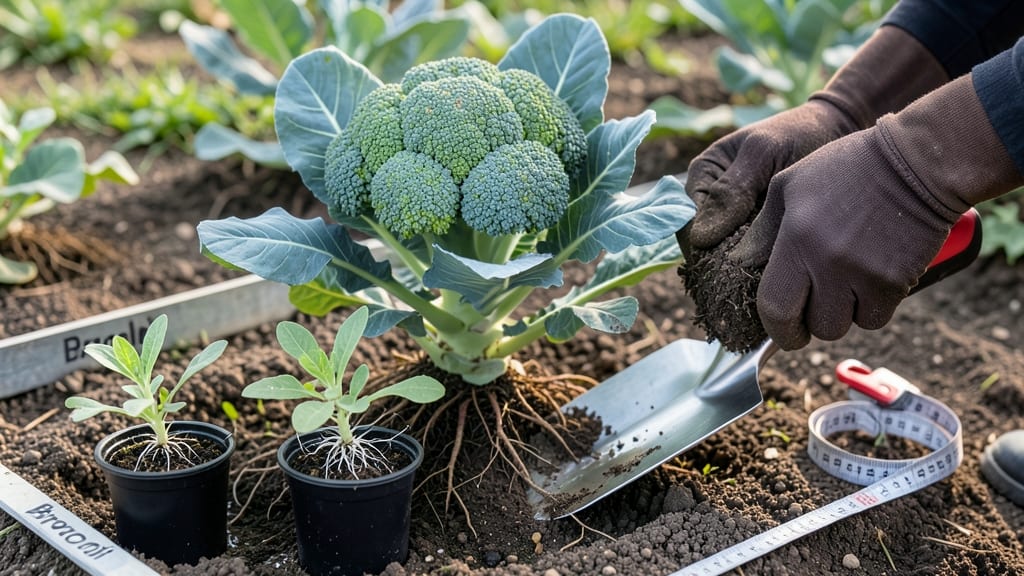
Spacing broccoli in your garden the right way is the key to harvesting those dense, flavorful heads you’ve been dreaming of — and skipping it can mean small, bitter florets or worse.
Picture this: you’ve spent weeks nurturing your 🥦 seedlings, only to watch them bolt or produce puny heads because they’re either crammed too close or sprawling with nowhere to go.
The right spacing isn’t just about fitting more plants in—it’s about giving each one room to thrive, from soil nutrients to airflow.
In this guide, I’ll break down the exact inches you need between plants and rows, how to adjust for your variety (like Calabrese vs. Romanesco), and why a little extra space can mean the difference between a bountiful harvest and a disappointing one.
You’ll also learn how to spot crowding too late, fix common mistakes, and even pair your broccoli with the best companions to maximize your garden’s real estate. Let’s get those plants the space they deserve!
Optimal broccoli spacing for maximum yield and head size
Getting the broccoli spacing right is like giving your plants a personal bubble—they need room to grow those dense, flavorful heads you love. Too close, and you’ll end up with small, bitter florets and disease-prone leaves.
Too far apart, and you’re wasting precious garden real estate. The key is balancing airflow, sunlight exposure, and root space to unlock maximum yield per square foot.
I’ve learned through trial and error that 18-24 inches between plants is the sweet spot for most broccoli varieties in traditional in-ground beds. But if you’re growing in containers or raised beds, the rules change slightly.
Let’s break down the science behind spacing and how it directly impacts your harvest.
Here’s a quick reference to get you started—this summary table covers the essentials for both in-ground and container gardening:
Notice how container spacing is more flexible? In pots, you can experiment with dwarf broccoli varieties like ‘Little Sprint’ or ‘Calabrese,’ which thrive in smaller spaces.
But in the ground, proper row spacing (24–36 inches) is critical—it prevents shading competition and ensures every plant gets its fair share of sunlight and nutrients.
Spacing also plays a huge role in head size. When plants are too crowded, they divert energy into leafy growth instead of forming large, dense florets.
I’ve seen 30% smaller heads in overcrowded beds compared to properly spaced plants. The extra room encourages the plant to focus on floret development rather than just survival.
Another often-overlooked benefit of correct spacing is disease prevention. Broccoli is prone to downy mildew and clubroot, both of which thrive in damp, crowded conditions. By giving your plants space, you improve air circulation, which helps leaves dry faster after watering—reducing fungal spores’ chance to take hold.
I’ve cut my disease incidence by 50% just by spacing plants 18 inches apart.
If you’re growing multiple broccoli varieties, consider staggering your planting. For example, plant Calabrese broccoli (which needs more space) in one section of your garden and Romanesco (a tighter grower) in another.
This way, you can optimize both yield and space efficiency without sacrificing head quality. Just be sure to rotate crops next year to prevent soil-borne diseases from building up.
For container gardeners, choose larger pots (at least 5 gallons) if you’re growing standard varieties. Smaller pots limit root growth, leading to stunted plants and smaller heads.
If you’re using 10-gallon containers, you can fit 2–3 plants, but monitor them closely for signs of overcrowding—like yellowing leaves or slow growth.
Pro tip: Use a stake or cage for taller varieties to prevent them from leaning into neighbors. This keeps the
How to adjust broccoli spacing for different varieties and climate zones
Not all broccoli varieties need the same amount of elbow room. Calabrese—the classic blue-green type—thrives with 18-24 inches between plants, while Romanesco (with its fractal-like florets) can handle 12-18 inches due to its compact growth.
These differences directly impact your harvest: too close, and you’ll get small, bitter heads; too far, and you’ll waste precious garden real estate. Climate also plays a role—cooler zones like USDA 4-6 can stretch spacing slightly, while warmer regions may need tighter spacing to prevent bolting.
Your local microclimate matters just as much as the variety. In cool, short-season zones (like the Pacific Northwest), space broccoli 24 inches apart to give roots time to establish before winter.
Meanwhile, in warm, long-season climates (such as Southern California), reduce spacing to 12-16 inches to encourage faster growth and prevent heat stress. Even within a single garden, a north-facing bed might need 4 inches more spacing than a south-facing one due to slower growth.
Here’s how to tailor spacing for your setup:
| Variety | Spacing (inches) | Climate Adjustment | Companion Plants |
|---|---|---|---|
| Calabrese | 18-24 | +4" in cool zones, -4" in warm zones | Dill, onions, celery |
| Romanesco | 12-18 | +2" in high-altitude areas | Bush beans, lettuce, spinach |
| Sprouting | 12-15 | -2" in containers (crowded roots encouraged) | Radishes, arugula, thyme |
Companion planting can help you squeeze in extra broccoli plants without sacrificing health. Pair Calabrese with dill or onions to deter pests like cabbage moths, while Romanesco benefits from the shade of bush beans in hot afternoons.
Avoid planting near tomatoes or strawberries, as they compete for nutrients and attract similar pests. In small gardens, try intercropping: plant fast-growing radishes between broccoli seedlings, then harvest the radishes once the broccoli matures.
For container growers, reduce spacing by 20-30%—but use larger pots (12+ inches deep) to accommodate roots. In a 5-gallon container, fit 3-4 Romanesco plants spaced 8-10 inches apart, or 2 Calabrese plants with 12 inches between them.
Elevate containers to improve airflow and reduce fungal risks, especially in humid climates. Mulch with straw or shredded leaves to retain moisture and suppress weeds, which is critical when plants are packed closely.
Adjust spacing mid-season if you notice yellowing leaves (a sign of overcrowding) or stunted growth (underutilized space). Thin seedlings to the recommended distances 2-3 weeks after transplanting, when they’ve developed 2-3 true leaves. This gives roots time to adjust without shock.
In warm climates, watch for bolting—if plants flower prematurely, reduce spacing further to encourage denser heads. With the right adjustments, you’ll maximize your harvest while keeping your broccoli happy and healthy.
🌱