
Planting
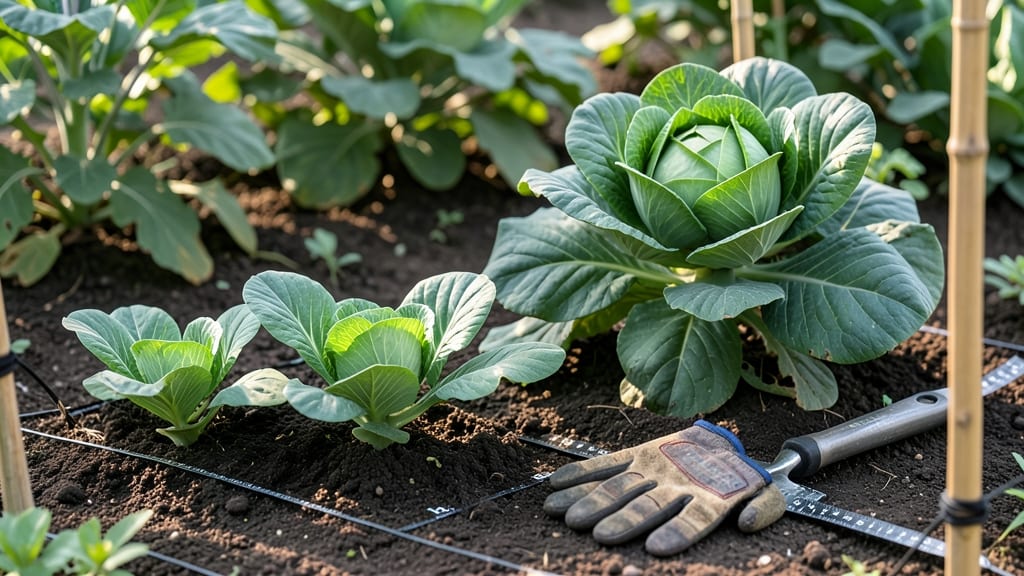
Proper cabbage garden spacing is the difference between dinner-plate heads and stunted, disease-prone plants 🥬 — and the right inches matter more than you think.
Struggling to grow cabbages that rival the size of dinner plates? Proper spacing isn’t just about aesthetics—it’s the secret weapon for preventing disease, maximizing sunlight exposure, and ensuring those perfect, dense heads you’ve been dreaming of.
Too little room means crowded plants that compete for nutrients, leaving you with small, loose heads. Too much space wastes garden real estate, and you’ll end up with gaps where weeds take over. The sweet spot balances growth, airflow, and sunlight—critical for both head and leaf varieties.
In this guide, I’ll break down the exact spacing you need for every stage—from seedlings to mature plants—plus how to adjust for different cabbage types and even fix common mistakes that stunt growth.
Optimal cabbage garden spacing by variety and growth stage
Getting your cabbage spacing right is like giving your plants their own personal bubble—it prevents disease, boosts sunlight access, and ensures those dense, dinner-plate-sized heads you’ve been dreaming of.
But not all cabbages are created equal! Head cabbages (like Golden Acre) need more room than leafy varieties (such as Red Express), and spacing changes as they mature. Let’s break it down by type and growth stage so you can plan like a pro.
First, understand that seedlings vs. mature plants require different spacing.
Newly transplanted cabbage seedlings can start closer together (12-18 inches apart), but as they grow, you’ll need to thin or rearrange them to avoid competition. Direct-sown seeds also need adjustments—sow them closer initially (6-12 inches apart) and thin to the recommended spacing once they’re 3-4 inches tall.
Skipping this step leads to stunted growth and disease hotspots.
Here’s the game-changer: a summary table of spacing guidelines tailored to your cabbage variety and growth stage. Use this as your cheat sheet for planning rows, beds, or containers.
| Variety Type | Seedling Spacing (inches) | Mature Spacing (inches) | Row Spacing (inches) | Notes |
|---|---|---|---|---|
| Head Cabbage (e.g., Golden Acre, Savoy) | 12-18 | 18-24 | 24-36 | Thin early to prevent disease. Needs most space for head development. |
| Leaf Cabbage (e.g., Red Express, Chinese Bok Choy) | 6-12 | 12-18 | 18-24 | Harvest leaves early to allow regrowth. Can tolerate closer spacing. |
| Miniature/Dwarf (e.g., Miniature Drumhead) | 8-12 | 12-16 | 16-20 | Ideal for containers or small gardens. Harvest early for best flavor. |
| Specialty (e.g., Napa Cabbage, Kale) | 10-16 | 16-20 | 20-24 | Check variety-specific guidelines. Some (like kale) can handle tighter spacing. |
| Container Grown (All Types) | 6-12 | 12-16 | N/A (Use 1 plant per 5-gallon container) | Ensure containers have drainage. Dwarf varieties work best. |
For head cabbages, the 18-24 inch spacing at maturity is non-negotiable. These varieties need room to develop their dense, compact heads without competing for nutrients.
If you’re growing Savoy cabbage or Golden Acre, stick to the wider end of this range—crowding leads to misshapen heads and increased risk of black rot or clubroot disease. Pro tip: Use a stake or cage for larger varieties to support their weight as they mature.
Leaf cabbages, like Red Express or Chinese bok choy, are more forgiving with spacing. You can plant them 12-18 inches apart at maturity because you’ll harvest the outer leaves first, allowing the plant to regrow.
This cut-and-come-again method works best in warm-season gardens (August–September plantings). Just avoid overcrowding—even leafy greens need airflow to prevent downy mildew.
Adjust your row spacing based on your cabbage type and garden layout. For head cabbages, aim for 24-36 inches between rows to allow easy access for weeding and harvesting. If you’re growing leaf cabbages or specialty varieties, you can tighten this to 18-24 inches.
Remember, wider rows mean better airflow and less disease pressure. For container gardening, limit yourself to one plant per 5-gallon container and choose dwarf varieties to avoid root competition.
Here’s a trick I swear by: mark your spacing with a string and stakes before planting. This ensures you don’t accidentally crowd seedlings, especially if you’re direct-sowing seeds. Once your cabbages hit 3-4 inches tall, thin aggressively—leave only the
5 Common cabbage spacing mistakes that stunt growth (and how to fix them)
Cabbage plants may look small when you first plant them, but they expand quickly—especially head cabbage varieties like Green Towers or Golden Acre. Overcrowding isn’t just an aesthetic issue; it invites fungal diseases like clubroot and pests like cabbage moths by trapping moisture.
Even leafy cabbages like Napa need room to spread their broad leaves. Let’s fix these spacing mistakes before your plants turn into a tangled mess.
One of the biggest mistakes is ignoring row spacing while focusing only on plant-to-plant distance. Many gardeners plant cabbage 12-18 inches apart but forget rows need 18-24 inches between them. This forces plants to compete for sunlight and nutrients, stunting growth.
I’ve seen fall cabbages planted too close in tight rows, leading to yellowing leaves and small, loose heads by harvest time.
Another common error is crowding in containers. While dwarf varieties like Miniature Drumhead can thrive in pots, they still need 12-15 inches of space per plant. Packing too many into a 5-gallon container leads to root competition and poor air circulation, inviting disease.
I once tried growing 4 cabbage plants in a single 12-inch pot—by mid-summer, they were fighting for survival.
⚠️ Spacing Mistake Alert: The "Tight Pack" Trap
Problem: Planting leaf cabbage like Kale or Chinese cabbage too close (less than 12 inches apart) forces them to grow upward instead of outward, leading to weak stems and bolting (premature flowering).
Fix: Space leafy varieties 12-18 inches apart in rows 24 inches apart. Thin seedlings early to avoid root-bound stress.
Pro Tip: Use a spacer grid (DIY with sticks and string) to mark planting spots before dropping seeds.
Many gardeners also overlook thinning after germination. Seedlings pop up 1-2 inches apart, but once they’re 2-3 inches tall, you must thin to 12-18 inches.
Skipping this step means smaller heads and increased disease risk. I’ve pulled dozens of seedlings from my own garden—it’s heartbreaking, but necessary for bigger, healthier cabbages.
For container gardens, another mistake is mixing varieties with different spacing needs. Standard cabbage (like Early Jersey Wakefield) needs 18 inches, while dwarf varieties (like Polar Bear) thrive in 12 inches.
Planting them together leads to uneven growth and competition. Stick to one variety per container or use large pots (18+ inches wide) for mixed plantings.
Finally, skipping seasonal spacing adjustments is a silent killer. Spring cabbages grow faster and need 18-24 inches of space, while fall cabbages (planted in August-September) can handle 12-18 inches because cooler temps slow growth.
I’ve seen summer-planted cabbages bolt prematurely because they were crowded—always adjust spacing based on your planting season.
Fix these spacing mistakes now, and you’ll harvest plump, disease-free cabbages that put store-bought to shame. Start by sketching your garden layout with proper distances, and don’t forget to thin early! Your future self (and your dinner plate) will thank you. 🥬