
Watering
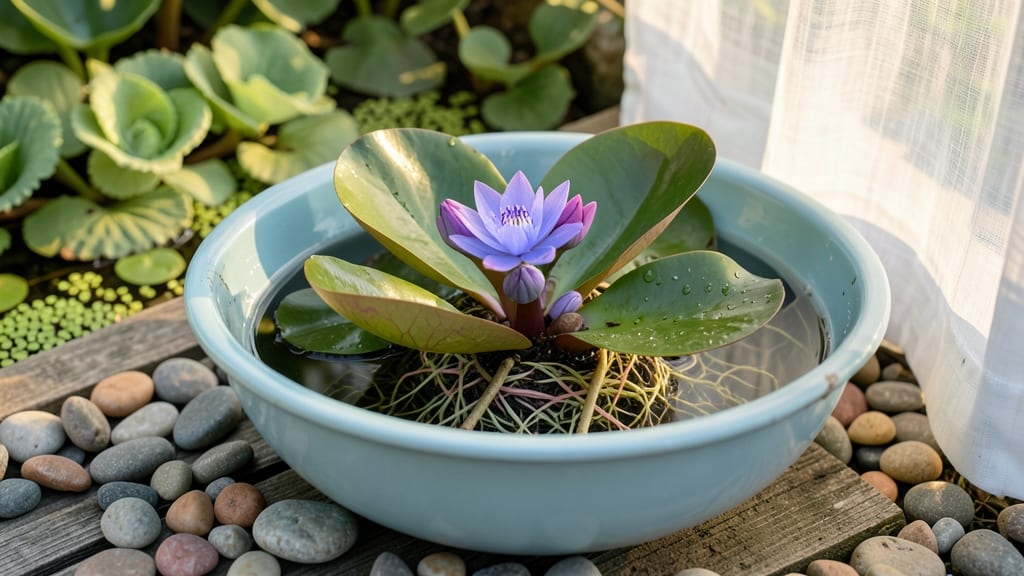
Growing container water garden plants 🌿 turns even a tiny space into a tranquil oasis without the hassle of a full pond.
Imagine stepping outside to find your balcony transformed into a serene retreat—just by choosing the right aquatic plants for your containers. You don’t need a backyard or deep pockets to create this effect; even a small pot can hold a thriving ecosystem with minimal effort.
Whether you’re drawn to floating lilies, hardy marginal plants, or submerged oxygenators, the key is selecting varieties that match your space and sunlight. Below, I’ll walk you through the 12 easiest container water plants to grow year-round, plus the setup secrets that keep them lush and algae-free.
No green thumb? No problem. These plants are forgiving, and with the right container setup, you’ll spend more time admiring your garden than fussing over it.
12 Best low-maintenance container water plants for year-round growth
Creating a container water garden is easier than ever with the right low-maintenance aquatic plants. These varieties thrive in 12-inch-deep containers and adapt to different sunlight conditions, making them perfect for balconies, patios, or even indoor setups.
Whether you have full sun exposure or a shady corner, there’s a water-loving plant that will flourish with minimal effort.
I’ve curated 12 hardy container water plants categorized by their sunlight needs, ensuring you’ll find the perfect match for your space. These selections focus on year-round growth, drought tolerance, and visual appeal—no pond required!
The key to success lies in choosing plants that match your container size and lighting conditions, while also resisting pests and algae.
Full sun lovers like water hyacinth and water lettuce thrive with 6+ hours of direct sunlight, while partial shade favorites such as pickerelweed and water forget-me-not handle 3–6 hours of filtered light. For low-light conditions, bog bean and water mint shine with just 2–4 hours of indirect light. Each plant offers unique textures and colors, from vibrant blooms to lush foliage.
| Plant Name | Sunlight Needs | Water Depth | Mature Size | Care Tips |
|---|---|---|---|---|
| Water Hyacinth (Eichhornia crassipes) | Full Sun (6+ hrs) | 6–12 inches | 1–2 ft tall | Remove yellow leaves; divide every 2 years |
| Pickerelweed (Pontederia cordata) | Partial Sun (3–6 hrs) | 4–12 inches | 2–3 ft tall | Trim spent blooms; fertilize spring/fall |
| Water Lettuce (Pistia stratiotes) | Full Sun (6+ hrs) | 4–8 inches | 1–2 ft tall | Divide overgrown clumps; avoid stagnant water |
| Bog Bean (Menyanthes trifoliata) | Partial Shade (2–4 hrs) | 2–6 inches | 1–1.5 ft tall | Keep soil moist; prune leggy stems |
| Water Forget-Me-Not (Myosotis scorpioides) | Partial Sun (3–6 hrs) | 2–4 inches | 6–12 inches tall | Pinch back flowers to encourage bushiness |
| Water Mint (Mentha aquatica) | Partial Shade (2–4 hrs) | 1–3 inches | 1–2 ft tall | Harvest leaves; contain roots with barriers |
| Dwarf Water Lily (Nymphaea 'Pygmaea Helvola') | Full Sun (6+ hrs) | 6–12 inches | 1–2 ft diameter | Fertilize monthly; remove old leaves |
| Sweet Flag (Acorus calamus) | Partial Sun (3–6 hrs) | 1–3 inches | 2–3 ft tall | Divide every 3 years; tolerates wet soil |
| Water Crowfoot (Ranunculus aquatilis) | Full Sun (6+ hrs) | 2–6 inches | 6–12 inches tall | Thin dense clumps; avoid overcrowding |
| Blue Flag Iris (Iris versicolor) | Partial Sun (3–6 hrs) | 3–6 inches | 2–3 ft tall | Divide rhizomes every 4 years; deadhead spent blooms |