
Tools
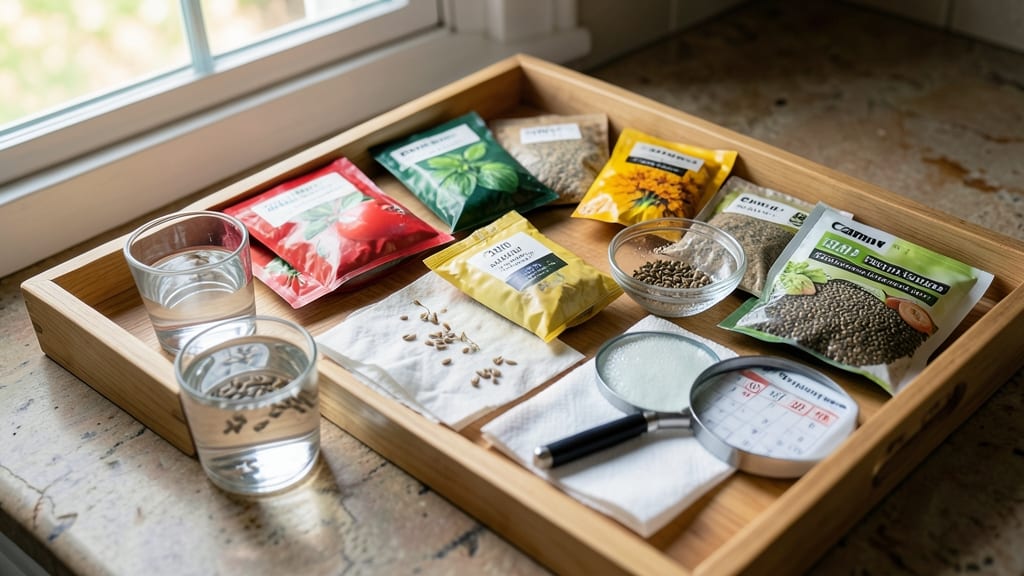
Garden seeds do go bad over time, with most losing viability within 1-5 years depending on seed type, moisture exposure, and storage conditions. Properly stored seeds in cool, dry environments retain germination rates longer than those left in heat or humidity.
If you've ever wondered whether those leftover packets of seeds in your pantry are still good, the answer is yes—seeds do degrade. 🌱 The lifespan varies wildly: some, like onions or leeks, may only last a year, while others, such as peas or beans, can stay viable for 3-5 years if stored correctly.
Moisture is the silent killer—even a tiny amount can trigger mold or premature sprouting. I've learned the hard way that leaving seeds in their original packaging (often not airtight) is a fast track to failure.
For best results, transfer them to sealed containers with silica gel packets and store them in a cool, dark place like your refrigerator.
What's fascinating is how temperature plays a role: seeds stored at 32-41°F can last twice as long as those kept at room temperature. 💛 The key is slowing down metabolic processes that break down the seed's internal structure.
Even "old" seeds can sometimes sprout if they've been stored properly—just don't expect a 100% germination rate after their prime. Always test a few seeds in damp paper towels before committing to a full planting.
💡 In This Article
- Seed Viability Timeline by Plant Type
- Optimal Storage Methods to Extend Seed Freshness
Seed viability timeline by plant type
Every seed has a built-in biological clock tied to its species' survival strategy. The viability window varies dramatically—tomato seeds, for example, typically remain viable for 4-5 years when stored properly, while lettuce seeds may only last 1-2 years.
This difference stems from each plant's evolutionary adaptations: annuals like lettuce prioritize rapid germination and short lifespan, while perennials or biennials like onions develop longer-lasting seeds.
The science behind this involves enzyme degradation—enzymes like lipases and proteases break down the seed's internal structures over time, especially when exposed to warmth or moisture.
Let's look at specific examples to understand these timelines better. Bean seeds (both kidney and pinto varieties) can maintain 80% germination rates for upstrong>5 years in ideal conditions, thanks to their thick seed coats that protect internal moisture.
In contrast, delicate seeds like basil or dill often lose viability within 1-2 years because their thin seed coats offer little protection against environmental stressors. 🌱 What's interesting is how temperature accelerates this process: storing seeds at 75°F can halve their lifespan compared to 32-41°F storage.
Even a 10°F increase can reduce viability by 20-30% annually.
Here's where things get practical: most seed packets list a "best by" date, but these are often conservative estimates. I've successfully germinated 6-year-old pea seeds stored in my root cellar (maintained at 35°F with 40-50% humidity), though germination rates dropped from 95% to 60%.
The key takeaway is that proper storage doesn't just extend life—it preserves functionality. For example, carrot seeds stored at room temperature in their original packaging may only last 2 years, but in a sealed, temperature-controlled environment, they can reach 4 years.
Moisture content is the hidden villain in seed degradation. Seeds naturally contain 5-10% moisture when dry, but any increase above 12% triggers metabolic activity that accelerates aging. This is why you'll often see seed packets include desiccants—those little silica gel packets aren't just for show.
They work by maintaining equilibrium moisture levels, preventing condensation that could lead to mold or premature sprouting. 💧 The relationship between moisture and temperature creates a dangerous synergy: warm, humid conditions (like a basement without proper ventilation) can reduce seed viability by 50% in just 6 months.
What most gardeners overlook is how light exposure affects seed longevity. While seeds are designed to survive in soil darkness, prolonged light exposure (especially UV rays) can degrade the seed coat and internal structures.
This is why opaque, airtight containers are superior to clear ones—even indirect light can reduce viability by 15-20% over time. The good news?
This degradation is gradual and predictable, which is why seed banks like the Svalbard Global Seed Vault achieve 1,000-year storage by combining ultra-low temperatures (-18°C) with complete darkness and controlled humidity.
For practical application, here's how to test your seeds' viability before planting: place 10 seeds between damp paper towels in a sealed container. After 5-7 days at 70°F, count how many have sprouted. If 50% or more germinate, they're still viable for planting.
This simple test saves money and heartache—especially for expensive specialty seeds. The results will show you exactly where your seeds stand on the viability spectrum.