
Fertilization
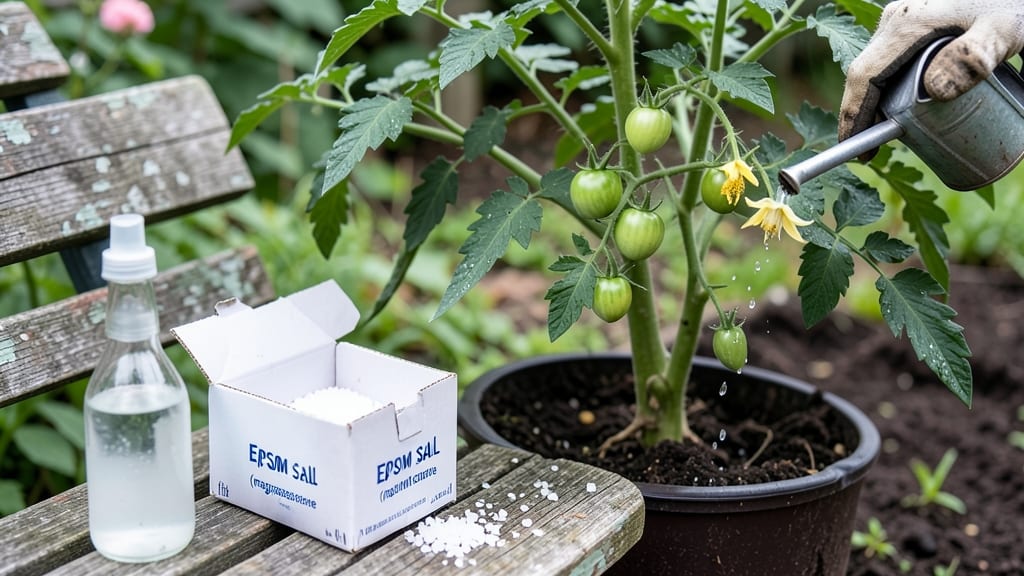
Using Epsom salt in your garden can transform weak stems and lackluster blooms into vibrant, thriving plants in just a few applications.
If you’ve ever watched your tomatoes develop yellowing leaves or your roses produce sparse flowers, you know how frustrating it can be. The good news? Epsom salt—just magnesium sulfate—is a fast, affordable fix for many common plant deficiencies.
It’s not magic, but it works like one for magnesium and sulfur hunger in your soil.
This mineral isn’t just for showy blooms; it strengthens cell walls, helps plants absorb nutrients, and even deters pests like aphids. Whether you’re growing vegetables, flowers, or herbs, a little Epsom salt can make a big difference—without the hassle of synthetic fertilizers.
Below, I’ll walk you through the exact methods for using it—from foliar sprays to soil treatments—and how to avoid common mistakes that waste your time (and money). Let’s get your garden back to its best!
How Epsom salt fixes magnesium & sulfur deficiencies in plants
If your tomatoes are developing yellowing leaves between veins or your roses refuse to bloom, magnesium deficiency might be the culprit. Epsom salt—composed of magnesium sulfate (MgSO₄)—is a garden game-changer for delivering these essential nutrients directly to plant roots and foliage.
Unlike synthetic fertilizers, it dissolves quickly, making it ideal for fast-acting corrections during critical growth phases.
Magnesium is the central atom in chlorophyll, meaning it’s vital for photosynthesis. When deficient, plants struggle to convert sunlight into energy, leading to stunted growth and poor fruit development. Sulfur, the second component, plays a key role in protein synthesis and enzyme activation.
Together, they form a dynamic duo that revives struggling plants in as little as 2-4 weeks with proper application.
🌱
| Deficiency Type | Symptoms | Common Affected Plants | Epsom Salt Solution |
|---|---|---|---|
| Magnesium Deficiency | Yellowing between leaf veins (interveinal chlorosis), weak stems, poor flowering | Tomatoes, peppers, roses, citrus trees | 1 tbsp/gal water (foliar spray) or 1 lb/100 sq ft (soil) |
| Sulfur Deficiency | Pale yellow leaves, stunted growth, delayed maturity | Brassicas (broccoli, cabbage), onions, garlic | 2 tbsp/gal water (soil drench) every 4 weeks |
| Combined Mg/S Deficiency | Yellowing + purple undersides, weak flowers/fruit | Peppers, eggplants, strawberries | 1.5 tbsp/gal water (alternate foliar/soil monthly) |
Before reaching for Epsom salt, confirm the deficiency through a soil test—magnesium issues often stem from high pH levels (above 7.0), which lock out nutrients. Sandy soils, in particular, drain magnesium quickly, while clay soils may bind it too tightly.
If your test reveals low magnesium levels (below 200 ppm), Epsom salt becomes your best organic remedy.
For foliar applications, mix 1 tablespoon of Epsom salt per gallon of water and spray leaves in the early morning to prevent evaporation. This method delivers magnesium directly to chlorophyll-producing cells, showing results in 3-7 days.
For soil amendments, work 1 pound of Epsom salt per 100 square feet into the top 6 inches of soil during planting or early spring.
🌿
Not all plants need Epsom salt—azaleas and blueberries, for example, thrive in acidic soils where magnesium is already abundant. Overuse can lead to sulfur toxicity, causing leaf burn or soil pH shifts.
Always pair Epsom salt with a balanced fertilizer (like 10-10-10) to avoid nutrient imbalances. Test soil again after 3 months to monitor progress.
My tomato plants once suffered from severe magnesium deficiency, turning their leaves a sickly yellow. After applying a weekly foliar spray for 4 weeks, the leaves regained their deep green color, and I harvested 30% more fruit that season.
The key? Consistency and proper diagnosis—Epsom salt won’t fix pest damage or fungal infections, but for nutrient deficiencies, it’s a miracle worker.
🌹
For container gardens, dissolve 1 teaspoon of Epsom salt in 1 gallon of water and water plants thoroughly every 4 weeks. This low-dose approach prevents salt buildup in potting mixes.
Always water after application to rinse excess salts away from roots. Pair this with compost tea to enhance microbial activity, which naturally improves magnesium uptake.
Remember: Epsom salt is a supplement, not a replacement for comprehensive soil health. Combine it with organic matter (compost, worm castings) and proper pH management for long-term results. With the right approach, your garden will flourish—literally overnight.
Step-by-step guide: using Epsom salt for maximum garden results
Epsom salt isn’t just for soaking sore feet—it’s a gardener’s secret weapon for boosting plant health and enhancing blooms. Packed with magnesium and sulfur, this mineral helps plants absorb nutrients, strengthen stems, and produce vibrant flowers.
Whether you’re dealing with yellowing leaves or stunted growth, Epsom salt can turn things around fast. The best part? It’s affordable, easy to find, and simple to use!
Before diving in, know that Epsom salt works in two ways: as a foliar spray for quick absorption and as a soil amendment for long-term benefits. For leafy greens like spinach or kale, focus on foliar sprays.
For blooming plants like roses or tomatoes, a mix of both methods works best. Let’s break down the step-by-step process to get the most out of your Epsom salt treatment.
How to Use Epsom Salt in Your Garden
-
Step 1: Choose Your Method
- Foliar spray for fast results (ideal for deficiency symptoms)
- Soil amendment for long-term benefits (best for overall plant health)
-
Step 2: Prepare Your Solution
- Foliar spray: 1 tablespoon Epsom salt per gallon of water
- Soil amendment: 1 tablespoon per foot of plant height (sprinkle around base)
- DIY boost: Add 1 teaspoon of neem oil to foliar spray for pest control
-
Step 3: Apply at the Right Time
- Foliar spray: Apply in the early morning or late afternoon to avoid leaf burn
- Soil amendment: Work into moist soil during active growing season (spring to early fall)
-
Step 4: Target Specific Plants
- Tomatoes & Peppers: Use foliar spray every 2 weeks for bigger yields
- Roses & Flowers: Mix into soil at planting time for vibrant blooms
- Houseplants: Dissolve 1 teaspoon in 1 gallon of water and water monthly
-
Step 5: Monitor and Repeat
- Watch for improved leaf color and stronger stems within 1-2 weeks
- Reapply every 4-6 weeks during growing season for ongoing benefits
Timing is everything when it comes to Epsom salt. For foliar sprays, early morning applications ensure the leaves have time to dry before evening humidity sets in, reducing the risk of fungal issues.
If you’re treating soil, work the Epsom salt into the top 2-3 inches of moist soil during the active growing season—typically from spring through early fall. Avoid applying it in winter or during dormant periods, as plants won’t absorb the nutrients efficiently.
Not all plants need the same treatment. Leafy greens like lettuce or spinach benefit from foliar sprays to prevent yellowing between the veins—a classic sign of magnesium deficiency.
On the other hand, blooming plants such as roses or petunias thrive when Epsom salt is worked into the soil at planting time.
For tomatoes and peppers, a combo approach works best: apply a foliar spray every 2 weeks and mix Epsom salt into the soil at the start of the season.
One of my favorite DIY recipes combines Epsom salt with neem oil for a double-duty treatment. Mix 1 tablespoon of Epsom salt, 1 teaspoon of neem oil, and 1 gallon of water in a spray bottle.
This combo not only provides magnesium and sulfur but also helps repel pests like aphids and spider mites. Shake well before each use and apply to the undersides of leaves where pests love to hide.
Just remember: neem oil can be toxic to bees, so avoid spraying when flowers are open.
While Epsom salt is a powerhouse for plant health, it’s not a magic cure-all. Overuse can lead to salt buildup in soil, which may harm beneficial microbes. Stick to the recommended dosages, and always water thoroughly after applying to help nutrients penetrate the soil.
If you notice crusty soil or burnt leaf edges, flush the soil with water to prevent damage. With the right approach, Epsom salt can transform your garden into a lush, thriving paradise in no time! 🌿