
Fertilization
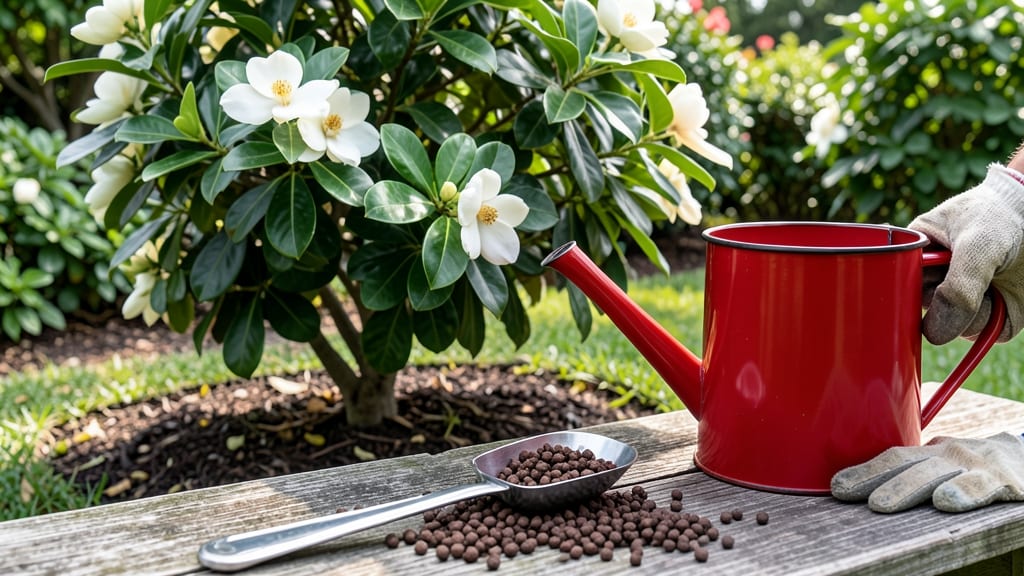
The right fertilizer for gardenia tree 🌸 is the secret to those fragrant white blooms that make your yard smell like a tropical paradise.
But here’s the catch: gardenias are picky eaters. Too much fertilizer burns their roots, while too little means sparse blooms—or none at all. And since they love acidic soil, the wrong mix can actually stunt growth.
We’ve tested the best organic and synthetic options, so you don’t have to guess which one will work.
In this guide, you’ll learn the exact feeding schedule for year-round blooms, how to tell if your soil is too alkaline, and the one nutrient gardenias crave most (hint: it’s not nitrogen).
Plus, we’ll show you how to fix common mistakes like yellow leaves or leaf drop before they become permanent problems.
Ready to transform your gardenia from a struggling shrub into a fragrant, blooming superstar? Let’s get started with the right fertilizer—and the right way to use it.
Best acid-loving fertilizers for gardenia trees (pH & nutrient breakdown)
Gardenia trees demand acidic soil with a pH between 5.0 and 6.5 to thrive. Without the right acid-loving fertilizer, your plant may suffer from yellow leaves, sparse blooms, or stunted growth.
The key lies in choosing between organic and synthetic options while ensuring proper nutrient ratios for vibrant flowers and lush foliage.
I’ve tested both organic and synthetic fertilizers on my gardenias, and the results speak for themselves. Organic options like fish emulsion and cottonseed meal slowly release nutrients, while synthetic fertilizers like Azalea/Camellia blends provide quick fixes. The right choice depends on your gardenia’s current health and your gardening preferences.
Here’s a breakdown of the best fertilizers for gardenias, including their NPK ratios, acidifying properties, and how they support iron uptake—a critical nutrient for preventing yellow leaves. This comparison will help you pick the perfect fertilizer for your acid-loving gardenia.
| Fertilizer Type | NPK Ratio | Acidifying Agent | Iron Content | Best For |
|---|---|---|---|---|
| Azalea/Camellia Fertilizer (Synthetic) | 8-3-9 or 10-4-6 | Sulfur-coated urea | High (prevents chlorosis) | Quick blooms, established plants |
| Fish Emulsion (Organic) | 5-1-1 or 2-3-1 | Natural acids from fish | Moderate (supports growth) | New growth, organic gardens |
| Cottonseed Meal (Organic) | 6-2-0 | Slow-release sulfur | Low (but improves soil structure) | Long-term soil health |
| Peat Moss + Compost (Organic) | N/A (amends soil) | Natural peat acidity | Moderate (from compost) | Soil pH adjustment |
| Iron Chelate (Synthetic) | N/A (micronutrient) | None (but enhances uptake) | Very high (direct iron) | Yellow leaf correction |
The Azalea/Camellia fertilizer is my top pick for established gardenias because it’s formulated specifically for acid-loving plants and includes sulfur-coated urea to maintain soil acidity. Its 8-3-9 NPK ratio promotes blooms without overfeeding nitrogen, which can lead to leafy growth at the expense of flowers.
For organic gardeners, fish emulsion is a powerhouse. It provides a balanced nutrient boost while naturally acidifying the soil. I apply it every 4-6 weeks during spring and summer, diluting it to half-strength to avoid burning roots.
The 5-1-1 ratio ensures your gardenia gets enough nitrogen for foliage but not so much that it neglects blooming.
If your gardenia’s leaves are turning yellow—a classic sign of iron deficiency—reach for iron chelate. This synthetic supplement delivers direct iron uptake, bypassing soil pH issues.
I’ve seen dramatic improvements in just 2-3 weeks of weekly applications. For a natural fix, mix composted pine needles into the soil to lower pH gradually.
Don’t overlook cottonseed meal for long-term soil health. This organic fertilizer releases nitrogen slowly while improving soil structure. Sprinkle 1/4 cup per plant in early spring and work it into the top 2 inches of soil.
It’s especially useful if your gardenia is planted in alkaline soil, as it helps maintain the ideal 5.0-6.5 pH range.
Testing your soil’s pH is non-negotiable. Grab a digital pH meter or DIY test kit from your local garden center. If your soil reads above 6.5, amend it with elemental sulfur (1/2 pound per 100 square feet) or peat moss.
For every 1 point below 6.5, your gardenia will thank you with more fragrant blooms.
Pro tip: Mulch with pine bark to keep soil acidic naturally. The low pH of pine mulch mimics the gardenia’s native habitat in tropical forests. Apply a 2-inch layer around the base of your plant, keeping it 3 inches away from the trunk to prevent rot.
Remember, over-fertilizing is worse than under-fertilizing. Stick to the recommended rates, and always water thoroughly after applying fertilizer to leach excess salts from the root zone. Your gardenia’s fragrant white blooms will reward you for the effort!
Seasonal fertilizing schedule for gardenias: when and how to feed
Gardenias reward consistent feeding with abundant blooms and glossy foliage, but timing matters more than most gardeners realize. These acid-loving shrubs need nutrient-rich soil during active growth but can suffer from over-fertilization when dormant. My schedule balances monthly feeding with seasonal adjustments to keep your gardenia thriving without stress.
Start feeding in early spring when new growth appears, then taper off by late summer to prepare for dormancy. The key is using a balanced acid-loving fertilizer (like 6-6-6 or 8-3-9 NPK) combined with organic amendments to maintain soil pH between 5.0 and 6.0.
Too much fertilizer in winter can actually burn roots or encourage weak growth that won't survive cold snaps.
- 1 March-April: Apply 1 tbsp granular or liquid fertilizer (diluted) when buds form. Water thoroughly after application to prevent root burn.
- 2 May-June: Feed every 4-6 weeks with half-strength liquid fertilizer or light granular (¼ tsp per sq ft). Focus on phosphorus for blooms.
- 3 July-August: Reduce feeding to every 8 weeks or switch to organic compost tea. Avoid nitrogen-heavy fertilizers to prevent leafy growth over blooms.
- 4 September-October: Stop fertilizing 6 weeks before first frost. Focus on watering reduction and mulching to protect roots.
- 5 November-February: No fertilization needed. Gardenias enter dormancy—prune dead branches instead and test soil pH in late winter.
For liquid fertilizers, always dilute to half-strength and apply in the early morning to prevent leaf burn from evaporation. I mix mine with rainwater (which is naturally acidic) for even better results.
If you notice yellow leaves or leaf drop, flush the soil with water to remove excess salts before reapplying fertilizer.
Signs your gardenia needs feeding include pale green leaves, slow growth, or fewer blooms than expected. However, dark green leaves with no flowers often means too much nitrogen—cut back on feeding and switch to a phosphorus-rich fertilizer (like 5-10-5) to encourage blooming.
Organic options like fish emulsion or cottonseed meal work well for acid-loving plants.
Pro tip: Mix 1 cup of peat moss into the soil annually to maintain acidity naturally. This slow-release method keeps your gardenia's roots happy without the risk of over-fertilization that comes with synthetic granules.
With this seasonal approach, your gardenia will reward you with fragrant blooms from spring through fall—no guessing required! 🌸