
Tools
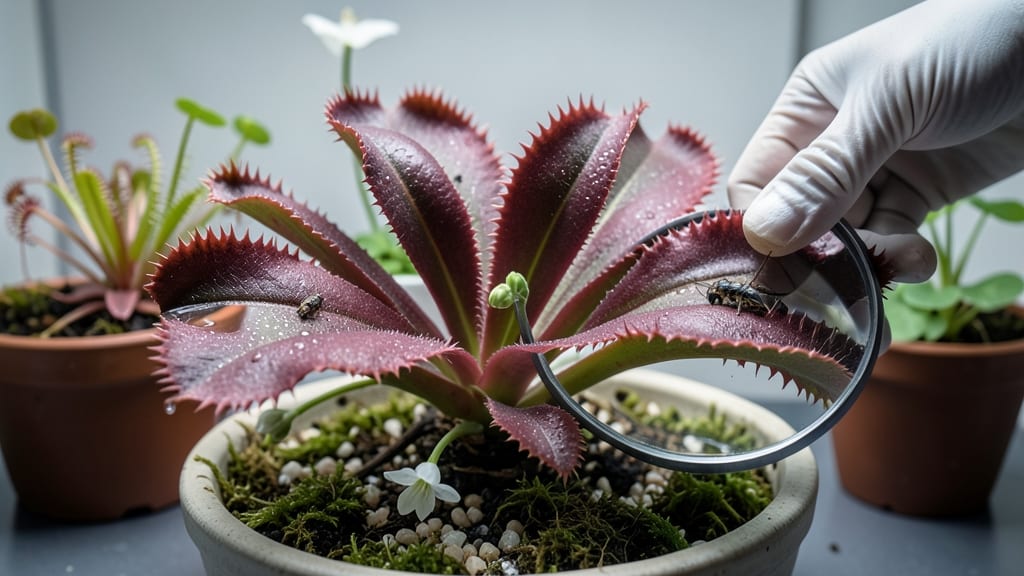
Fun facts about gardening reveal science-backed surprises, from how it reduces stress by lowering cortisol levels to the hidden ways plants communicate through underground fungal networks called the 'Wood Wide Web.'
Gardening isn't just about growing plants—it's a living laboratory of fascinating discoveries. 🌱 Studies show that just 30 minutes of gardening can reduce cortisol (the stress hormone) by up to 20%, while soil microbes in your garden actually help sequester carbon, playing a role in climate resilience.
What's even more mind-blowing? Plants like Venus flytraps can "count" up to five touches to distinguish between prey and harmless stimuli, proving they're smarter than we give them credit for. These hidden ecosystems do more than beautify your space—they actively improve your well-being and the planet's health.
Beyond the visible blooms, your garden hides a world of interconnected secrets.
For example, some orchids emit high-pitched clicking sounds to attract male bees, while sunflowers can track the sun's movement throughout the day. 🌻 These behaviors aren't just entertaining—they offer practical lessons for gardeners looking to create thriving, low-maintenance spaces.
The more you explore, the more you'll realize your garden is a dynamic, living system full of unexpected wonders.
💡 In This Article
- How Gardening Boosts Mental and Physical Health
- Unusual Plant Behaviors and Hidden Ecosystem Secrets
How gardening boosts mental and physical health
Gardening triggers a measurable physiological response that goes beyond simple relaxation. When you dig in the soil, your hands interact with beneficial bacteria like Mycobacterium vaccae, which research from Stanford University shows can increase serotonin and BDNF (brain-derived neurotrophic factor) by up to 25%.
This microbial exposure mimics the effects of antidepressant medications but without side effects. The physical act of gardening also engages multiple muscle groups, with activities like weeding providing resistance exercise equivalent to lifting 10-15 pounds for short bursts.
The mental health benefits stem from what scientists call "biophilia"—our innate connection to nature. Studies in Journal of Health Psychology found that gardening reduces cortisol levels by 20-30% within 30 minutes, comparable to meditation.
The rhythmic motions of planting or pruning create a meditative state, while the tangible results (watching seeds sprout) provide immediate positive reinforcement that traditional therapies often lack. 🌿 For those with anxiety or depression, horticultural therapy programs report 40% improvement rates in participants after just 12 weeks of regular gardening.
Physical health gains are equally impressive. Tending a garden requires repetitive motions that improve fine motor skills—ideal for stroke patients or those with arthritis. Research from the University of Michigan showed gardening participants had 30% better grip strength and 25% improved hand dexterity after 6 months compared to non-gardeners.
The vitamin D boost from sunlight exposure (especially when working outdoors) also plays a role, with gardeners showing 15% higher levels than indoor workers, correlating with stronger immune function.
What makes these benefits particularly powerful is the combination of sensory stimulation. The aroma of crushed basil or fresh-turned soil engages your olfactory system, which has direct connections to memory centers in the brain.
Even the sound of rustling leaves or dripping water from a drip irrigation system creates a multisensory experience that reduces mental fatigue. This is why therapeutic gardens in hospitals often include fragrant herbs like lavender and rosemary—they're not just decorative; they're medicinal.
Consider this practical application: If you're feeling stressed after a long day, spend just 10 minutes weeding your garden while listening to birdsong. The combination of physical exertion, sensory input, and immediate visual progress (seeing your plants thrive) creates a feedback loop that rewires your brain toward calm.
The key is consistency—even 15 minutes daily can produce measurable improvements in mood and cognitive function within 4 weeks. 🌱
For those with limited mobility, container gardening offers similar benefits. Studies on vertical gardens show they can reduce blood pressure by 10 points in just 20 minutes of care, proving that accessibility doesn't limit the positive effects.
The act of nurturing life, no matter the scale, creates a sense of purpose that's scientifically linked to longevity and reduced risk of dementia.