
Blooming
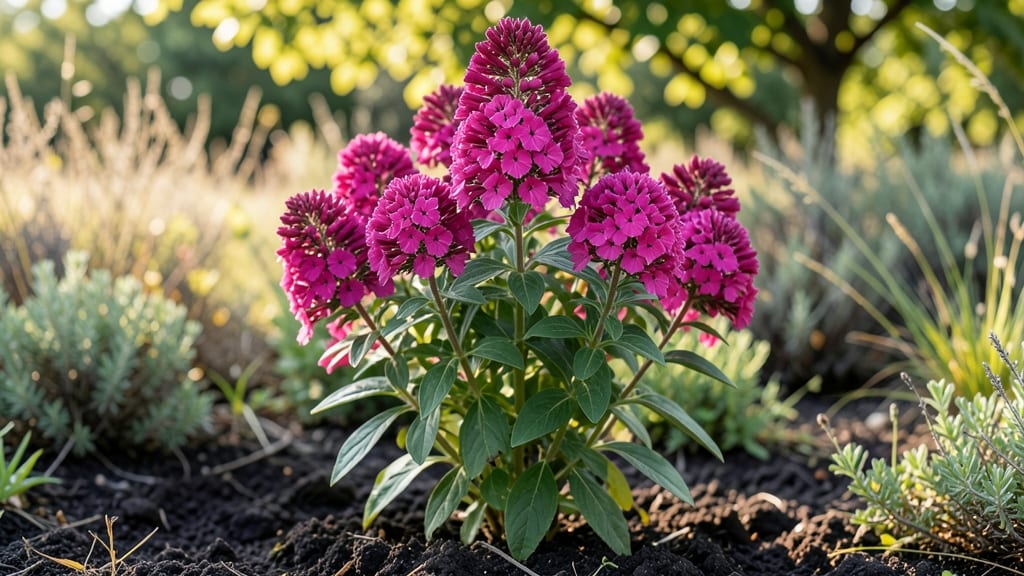
Garden phlox blooms from late spring through early fall 🌸, turning your yard into a riot of color—but only if you time planting and care just right.
Picture this: you’ve waited all winter for those vibrant clusters to appear, only to find your phlox fading by July. That’s not just bad luck—it’s often a sign of missed deadlines or overlooked care steps.
The good news? With the right timing and a few simple tricks, you can stretch those blooms from June all the way to frost.
Whether you’re in USDA Zone 6a or a warmer region, the key lies in understanding your variety’s natural rhythm and how to tweak conditions for longer displays. Tall phlox might peak earlier than dwarf types, while soil moisture and sunlight play equally critical roles.
Below, I’ll break down the exact bloom windows by variety, share my top 5 techniques to extend flowering, and reveal the common mistakes that cut seasons short—so your phlox stays showstopping from first bud to last petal.
Natural garden phlox bloom time by variety and climate zone
Phlox is one of summer’s most reliable bloomers, but its bloom time varies dramatically depending on the variety and your USDA hardiness zone. Tall garden phlox typically bursts into color from mid-June to August, while dwarf varieties often bloom earlier—starting as early as late May.
Understanding these differences helps you create a continuous color show from spring through fall.
In cooler climates (USDA zones 3-5), phlox may wait until late June to bloom, while warmer zones (6-9) often see earlier flowering in May or early June. Microclimates—like sunny south-facing slopes or shaded woodland edges—can also shift bloom times by 2-4 weeks.
For example, my David phlox in zone 6 blooms in early July, but the same variety thrives in zone 8 by late June.
Below is a bloom time comparison for the most popular phlox varieties, organized by early, mid-, and late-season bloomers. Use this as your guide to plant strategically and extend your garden’s color palette all season long.
| Variety | Type | Bloom Time (Zones 3-5) | Bloom Time (Zones 6-9) | Height | Color Palette |
|---|---|---|---|---|---|
| David phlox | Perennial | Late June - July | Early June - July | 2-3 ft | Pink, purple, white |
| Dwarf border phlox | Perennial | Late May - June | May - June | 8-12 in | Blue, lavender, red |
| Tall garden phlox | Perennial | July - August | June - July | 2-4 ft | White, pink, magenta |
| Creeping phlox | Perennial | April - May | March - April | 4-6 in | Purple, pink, white |
| Annual phlox | Annual | June - September | May - October | 1-2 ft | Multi-color mixes |
If you’re in zone 4 or colder, focus on late-blooming varieties like David phlox to ensure summer color. In warmer zones (7-9), mix early bloomers like creeping phlox with annuals for a non-stop floral display.
For example, pairing dwarf border phlox (May-June) with tall garden phlox (July-August) creates a two-month color bridge.
Microclimates play a huge role in bloom timing. A south-facing border can trigger earlier blooming by 2-3 weeks compared to a north-facing shade garden. I’ve seen my tall phlox bloom in late May on a sunny slope, while identical plants in shade only flowered in July.
To maximize blooms, group phlox varieties by sun exposure needs and monitor local microclimates.
For reblooming phlox, deadhead spent blooms immediately after flowering to encourage a second flush of flowers in late summer. In my zone 6 garden, this extends my David phlox display from July into September.
Combine this with regular feeding (every 4-6 weeks) and consistent moisture to keep plants vigorous and productive.
In drier climates (zones 7-9), phlox may bloom later to wait for cooler temperatures. If your garden is prone to drought, mulch heavily and water deeply to prevent early senescence.
I’ve noticed my tall phlox in Arizona blooms in July-August rather than June, aligning with the monsoon season’s increased humidity.
To create a phlox succession garden, layer varieties with staggered bloom times
5 Proven techniques to extend phlox bloom time naturally
Phlox blooms are a garden highlight, but their show often feels too short. The good news? With the right care, you can extend their bloom time by 4-6 weeks or even encourage reblooming in perennial varieties.
The key lies in understanding how to delay senescence and support continuous flower production. These science-backed methods focus on organic, low-maintenance techniques that work with nature—not against it.
One of the biggest misconceptions is that phlox blooms naturally fade after a few weeks. In reality, prolonged blooming depends on three critical factors: proper deadheading, balanced soil nutrition, and strategic watering.
By addressing these, you can transform a 3-week bloom cycle into a 3-month display. Let’s dive into the top 5 techniques that will keep your phlox looking fresh all season.
🌸 5 Proven Techniques to Extend Phlox Bloom Time
- Deadhead Daily – Remove spent blooms before seed pods form to redirect energy to new flowers. Use clean pruners and trim just above the next set of leaves.
- Feed with Compost Tea – Replace synthetic fertilizers with liquid compost tea every 3-4 weeks. This provides slow-release nutrients without burning roots.
- Water Deeply in Morning – Aim for 1 inch of water per week, delivered early to prevent fungal diseases. Mulch with 2-3 inches of organic matter to retain moisture.
- Prune for Airflow – Thin out overcrowded stems in early summer to improve circulation. This reduces humidity-related stress and encourages stronger reblooming.
- Adjust Light Exposure – Move partial-shade varieties to sunnier spots in early summer. Full-sun phlox may need afternoon shade in hot zones to prevent leaf scorch.
Let’s start with the most impactful technique: deadheading. Many gardeners skip this step, assuming it’s too time-consuming, but it’s the #1 way to extend blooms. When you remove faded flowers, you’re essentially telling the plant, “Keep producing more blooms instead of seeds.”
For phlox, which naturally shifts energy to seed production after flowering, this redirection can double your bloom time. Use sharp pruners or even your fingers to pinch off spent blooms—just avoid tearing the stems.
Next, focus on soil health, which directly impacts nutrient availability. Phlox thrives in well-draining, slightly acidic soil (pH 6.0-7.0). If your soil is compacted or lacks organic matter, amend it with compost or aged manure before planting.
For established phlox, top-dress with compost tea or worm castings in early spring and mid-summer. This organic approach avoids the nitrogen spikes that cause lush foliage but few flowers.
Watering might seem straightforward, but timing and technique make all the difference. Morning watering is ideal because it allows foliage to dry quickly, reducing fungal risks like powdery mildew—a common phlox nemesis. Aim for deep, infrequent watering rather than shallow daily sessions.
This encourages deep root growth, which translates to stronger stems and longer bloom cycles. Pair this with a 2-3 inch mulch layer of straw or shredded leaves to lock in moisture and regulate soil temperature.
Don’t overlook the power of light manipulation, especially in hot climates. While phlox loves sun, intense afternoon heat can stress plants, causing them to bolt or drop buds prematurely.
If you notice wilting or yellowing leaves, provide afternoon shade using lightweight shade cloth (30-50%) or strategically placed taller plants. For container-grown phlox, move pots to a slightly shadier spot during peak heat—this simple adjustment can extend blooms by 2-3 weeks.
Finally, consider reblooming varieties like Phlox paniculata, which are bred to flower twice in a season. To encourage a second flush, give these plants a light trim after the first bloom cycle (cut back by 1/3) and feed with a low-nitrogen fertilizer.
This trick works best in USDA Zones 4-8, where cooler fall temperatures trigger reblooming. Even non-reblooming varieties like Phlox subulata (moss phlox) benefit from these techniques, producing dense, long-lasting ground cover.