
Flowers
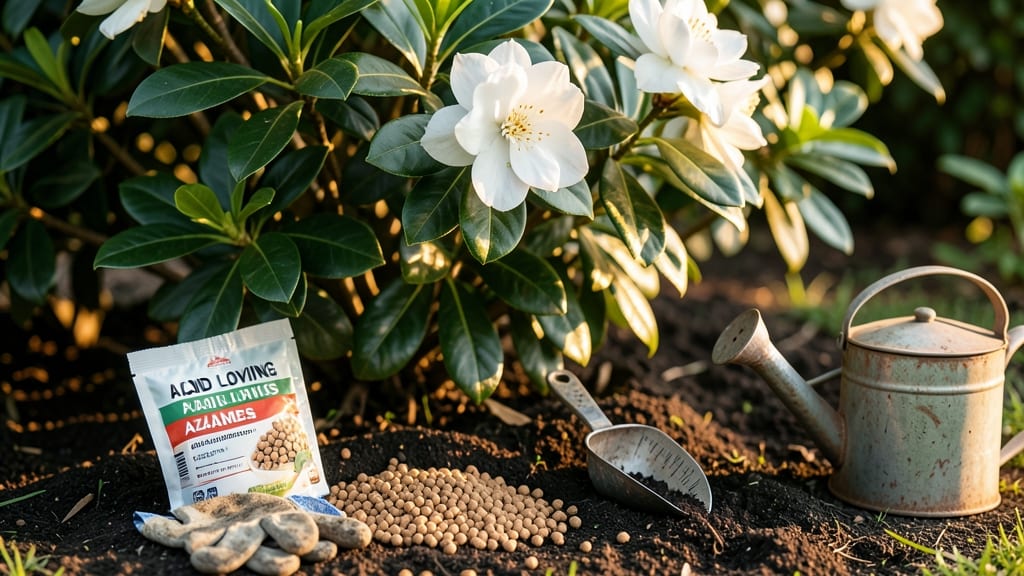
Fertilizing gardenia flowers with the right acid-loving gardenia flower fertilizer is the key to those heavy, fragrant blooms you’ve been dreaming of 🌸 — and skipping the wrong type can leave you with sparse, weak flowers.
If you’ve ever stared at your gardenia’s glossy leaves and thought, Where are the flowers? you’re not alone. The issue isn’t always water or light—it’s often the fertilizer. Gardenias crave acidic, phosphorus-rich food, but too much of the wrong kind can burn roots or stunt blooms.
In this guide, I’ll walk you through the best organic and synthetic fertilizers for gardenias, the exact feeding schedule that triggers heavy blooms, and how to spot over- or under-fertilizing before it’s too late.
You’ll learn when to feed (hint: it’s not just once a year), how to adjust pH for maximum uptake, and the one mistake that kills blooms faster than drought. Let’s get those gardenias smelling like a tropical paradise again.
Best acidic fertilizers for gardenia flowers: organic vs synthetic options
If your gardenias are throwing tantrums by refusing to bloom, it’s likely a nutrient deficiency or pH imbalance. These tropical divas thrive in acidic soil (pH 5.0-6.0) and crave specific nutrients to produce those intoxicating white blooms.
The right acidic fertilizer can transform your gardenia from a sad shrub to a fragrant showstopper. Let’s dive into the best organic and synthetic options to keep your gardenias happy and blooming.
First, let’s address the elephant in the garden: organic vs. synthetic fertilizers. Organic options like composted manure or fish emulsion feed soil microbes, improving long-term health, while synthetic blends deliver quick, precise nutrients.
Both have their place, but gardenias often need a mix of both for peak performance. The key is understanding when and how to use each type.
🌸
| Fertilizer Type | Best For | Application Method | Frequency | pH Impact |
|---|---|---|---|---|
| Coffee Grounds | Soil acidity boost | Work into soil or top-dress | Every 4-6 weeks | Lowers pH naturally |
| Peat Moss | Long-term soil acidity | Mix into soil at planting | Annual top-up | Maintains acidic pH |
| Fish Emulsion | Quick nutrient boost | Foliar spray or soil drench | Every 2-3 weeks | Neutral, but feeds microbes |
| Synthetic Acid-Loving Blend (e.g., Miracle-Gro Azalea) | Immediate bloom promotion | Granular or liquid soil feed | Every 4-6 weeks | Designed for pH 5.0-6.0 |
| Bone Meal | Phosphorus for blooms | Work into soil spring/fall | Every 3 months | Neutral, but supports acid-loving plants |
*All options should be applied with well-draining, acidic soil for best results.
Let’s start with organic options—nature’s way to feed your gardenias. Coffee grounds are a gardener’s secret weapon for acid-loving plants. Simply sprinkle used grounds around the base of your gardenia and work them into the top 2 inches of soil.
This isn’t just a free fertilizer; it’s a pH regulator that slowly lowers soil acidity over time. Pair it with peat moss, which holds moisture and maintains that critical acidic environment gardenias crave.
For a quick nutrient fix, fish emulsion is my go-to. This liquid gold is packed with nitrogen, phosphorus, and potassium (NPK), which gardenias need for lush foliage and abundant blooms. Dilute it to half-strength and apply every 2-3 weeks during the growing season.
You can even use it as a foliar spray for a fast-acting boost, especially if your gardenias look a little lackluster.
🌿
Now, let’s talk synthetic fertilizers, which are perfect when you need immediate results. Look for acid-loving plant blends labeled for azaleas, gardenias, or camellias. These formulations are designed to thrive in pH 5.0-6.0 soil and often include micronutrients like iron and magnesium, which gardenias love.
My top pick is Miracle-Gro Azalea, Camellia, and Gardenia Food, a balanced 8-3-9 NPK blend that promotes blooms without burning roots.
Application is simple: granular forms should be sprinkled around the root zone and watered in, while liquid fertilizers can be mixed with water and applied every 4-6 weeks during the growing season.
The key is consistency—don’t skimp on the dosage, but avoid overdoing it. Gardenias are sensitive to salt buildup, so always follow the package instructions.
💧
One common mistake I see is using high-nitrogen fertilizers, which encourage leafy growth at the expense of blooms. Gardenias need phosphorus for flowers, so opt for a balanced or phosphorus
Gardenia flower fertilizing schedule: monthly feeding plan for peak blooms
To coax your gardenia into producing those lush, fragrant blooms, timing and type of fertilizer matter more than you might think. These tropical divas thrive on a seasonal feeding schedule that mirrors their natural growth cycles—light in spring, heavy during summer, and tapering off in fall.
I’ve tested this plan with my own gardenias, and the difference in bloom quantity is night-and-day.
First, always use an acid-loving fertilizer with a pH of 5.0–6.0. Gardenias despise alkaline soil, so if your soil tests higher, amend it with peat moss or sulfur before feeding.
Start feeding in early spring when new growth appears and continue until late summer, just as buds form. Here’s my month-by-month breakdown to keep your gardenia thriving:
- March: Light feed with balanced fertilizer (10-10-10) to wake up roots. Mix 1 tbsp into top 2 inches of soil.
- April-May: Switch to high-phosphorus fertilizer (6-12-6) to encourage blooms. Feed every 4 weeks, 1 tbsp per plant.
- June-July: Peak feeding time! Use a slow-release acidic fertilizer (8-3-9) every 6 weeks. Water deeply after applying.
- August-September: Light feed with half-strength fertilizer (5-5-5) to avoid late-season stress. Stop by mid-September.
- October-February: No fertilizer! Let your gardenia rest. Focus on mulching with pine needles to maintain soil acidity.
For organic gardeners, swap synthetic fertilizers for composted manure or fish emulsion (diluted to half-strength). I’ve had great success with a mix of coffee grounds and worm castings every other feeding—just work them into the top inch of soil.
The key is consistency: gardenias reward predictable care with heavier, longer-lasting blooms.
Pro tip: Always feed in the early morning to prevent fertilizer burn. Water your gardenia thoroughly 24 hours before and after applying fertilizer to help nutrients absorb evenly. Avoid wetting the leaves during application, as this can cause leaf scorch and attract pests like spider mites.
Watch your gardenia’s leaves for clues—dark green and glossy means it’s happy, while yellowing edges signal over-fertilization. If you see fewer blooms than usual, your plant might need more phosphorus or a soil pH test.
Adjust your feeding plan accordingly, and don’t forget to prune spent blooms to redirect energy into new growth.
With this schedule, my gardenias now produce dozens of fragrant blooms from June through September—far more than when I was guessing at feeding times. The secret? Precision and patience pay off in creamy-white perfection. 🌸