
Light Requirements
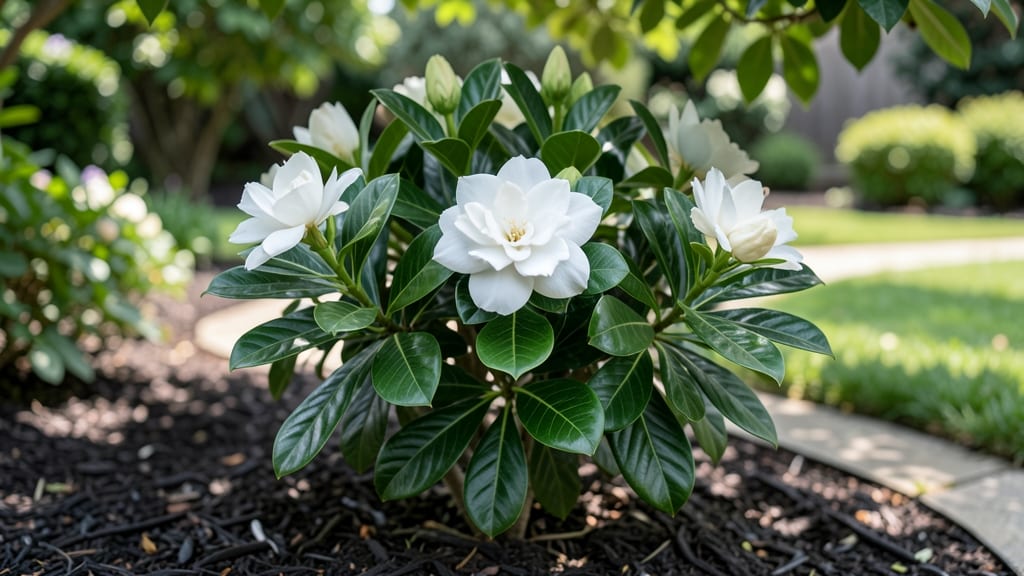
Understanding the gardenia sunlight requirements is key—these fragrant shrubs need bright, indirect sunlight for 4 to 6 hours daily—too much direct sun scorches their leaves, while too little stunts their iconic blooms.
Struggling to keep your gardenia blooming? The secret might be hiding in plain sight—sunlight exposure plays a critical role in determining whether your gardenia thrives or wilts.
These fragrant shrubs love morning sun and afternoon shade, especially in USDA Zone 6a, where summer heat can be intense. Too much harsh afternoon sun turns leaves yellow, while insufficient light leads to sparse flowers.
Below, I’ll break down the exact sunlight balance your gardenia needs, how to spot signs of over- or under-exposure, and the best spots to plant them—whether in your garden or indoors.

How much sunlight do gardenias need for optimal blooms?
Gardenias are prized for their intoxicating fragrance and glossy foliage, but they’re also light-sensitive plants that need just the right amount of sunlight. Too much direct sun can scorch their delicate leaves, while too little shade leads to weak stems and fewer blooms.
The key is finding that sweet spot—bright, indirect light with protection from harsh afternoon rays. As someone who’s nursed gardenias through both scorching summers and cloudy winters, I’ve learned that variety matters too—some gardenias handle more sun than others.
Most gardenias thrive in partial shade, which means they need 4-6 hours of filtered sunlight daily. Think of it like a gentle morning sunbath: 3-4 hours of morning sun followed by afternoon shade.
This mimics their natural habitat in tropical forests, where dappled light filters through overhead canopies. If you’re growing gardenias in containers, this balance becomes even more critical since they can overheat quickly in full sun.
| Variety | Sunlight Needs | Ideal Exposure | Signs of Stress |
|---|---|---|---|
| Common Gardenia (Gardenia jasminoides) | Partial shade (4-6 hours) | Morning sun + afternoon shade | Yellow leaves (too much sun), weak stems (too little) |
| Cape Jasmine (Gardenia augusta) | Partial shade (3-5 hours) | Dappled light year-round | Leaf scorch (full sun), sparse blooms (low light) |
| Dwarf Gardenia (Gardenia radicans) | Partial shade (2-4 hours) | East-facing window or filtered shade | Leggy growth (low light), crispy edges (overwatering + sun) |
| Indoor Gardenia (potted) | Bright indirect light (4-6 hours) | East/west window, 3-6 feet away | Stretched leaves (low light), brown tips (sunburn) |
For common gardenias (Gardenia jasminoides), the sweet spot is 3-4 hours of morning sun paired with afternoon shade. If your gardenia is planted outdoors, position it where it receives gentle morning rays but avoids the intense 11 AM–3 PM sun.
I’ve found that gardenias near a north-facing wall or under a light canopy of trees do exceptionally well, as the overhead foliage naturally diffuses the light.
The Cape jasmine (Gardenia augusta) is slightly more forgiving but still prefers dappled light year-round. Unlike its common cousin, it can tolerate slightly more shade, making it a better choice for woodland gardens or areas with limited sunlight.
If you notice the leaves turning yellow with brown edges, it’s a clear sign of sunburn, and you’ll need to move it to a shadier spot immediately.
Dwarf varieties like Gardenia radicans are perfect for containers or small gardens, but they’re even more sensitive to sunlight. These little powerhouses need only 2-4 hours of filtered light daily. Place them near an east-facing window or under a sheer curtain to mimic their ideal conditions.
I once had a dwarf gardenia in a west-facing pot that ended up with crispy leaf edges—a classic sign of too much afternoon sun.
Indoor gardenias present a unique challenge because most homes don’t replicate the balanced light conditions of a garden. If you’re growing gardenias inside, aim for a spot within 3-6 feet of an east or west window.
South-facing windows are too harsh, while north-facing ones may not provide enough light. Rotate your plant quarter-turns weekly to ensure even growth, and supplement with a grow light if natural light falls short.
Seasonal adjustments are key to keeping your gardenia happy year-round. In summer, when the sun is most intense, provide extra afternoon shade using a lightweight shade cloth (30-50% shade).
In winter, when days are shorter, move potted gardenias closer to a bright window or extend their light exposure with a grow bulb. I’ve seen gardenias in winter dormancy revive beautifully with just a few extra hours of light.
Watch for these tell-tale signs of sunlight imbalance: Yellowing leaves often mean too much sun, while pale, sparse foliage signals insufficient light. Leaf drop can occur if the plant is stressed by sudden light changes, so always acclimate gardenias gradually to new light conditions.
If your gardenia isn’t blooming, it might be getting too much shade—try moving it to a slightly sunnier spot and monitor for improvement over 4-6 weeks.
Pro tip: Use a light meter or observe your gardenia’s leaves at different times of day. If the leaves feel hot to the touch in the afternoon, it’s getting too much direct sun.
On the other hand, if the leaves look dull and stretch toward the light, it’s craving more brightness. Balancing these cues is the secret to lush, fragrant gardenias that bloom abundantly.
🌸
Signs your gardenia isn’t getting the right sunlight (and how to fix it)
Your gardenia might be sending you clear distress signals if its sunlight needs aren’t met. While these fragrant shrubs love bright, indirect light, too much direct sun or insufficient light can cause serious problems.
I’ve seen gardenias go from lush and blooming to struggling within weeks just because of sunlight adjustments.
One of the first warning signs is yellowing leaves, especially on the older foliage. This often means your gardenia is getting too much direct sunlight, causing leaf scorch.
Another red flag is leaf drop—if your plant sheds leaves suddenly, it could be struggling with either intense afternoon sun or insufficient light during winter months.
⚠️ Gardenia Sunlight Warning Signs
Too Much Sun: Brown, crispy leaf edges and leaf scorch (especially on southern exposures).
Too Little Sun: Leggy growth, pale yellow leaves, and no blooms despite proper care.
Indoor Gardenias: Stretched growth toward windows means insufficient light—supplement with grow lights 12-14 hours/day.
If your gardenia produces fewer blooms than usual, check its light exposure first. These plants need 4-6 hours of bright indirect light daily to trigger flowering. I’ve had gardenias that refused to bloom until I moved them to a morning sun, afternoon shade location.
For indoor gardenias, east or west windows work best—south-facing windows often provide too much harsh light.
For outdoor gardenias, try adjusting placement gradually. If your plant shows sunburn signs, move it to a spot with dappled shade or use a 30-50% shade cloth during peak afternoon sun (12 PM - 4 PM).
I recommend starting with 30% shade cloth and monitoring for 2 weeks before making further adjustments.
Indoor gardenias often need extra help. If your plant grows toward the light source or develops long, weak stems, it’s stretching for more light. Place it within 3-6 feet of an east or west window and supplement with a full-spectrum LED grow light for 4-6 hours daily.
I’ve seen dramatic improvements in just 2 weeks with proper lighting.
Remember, seasonal adjustments matter too. Gardenias in USDA Zone 6a (like mine) need extra care in winter when daylight shortens. Move potted gardenias indoors near a bright window or extend light exposure with grow lights to maintain their health through dormant months.