
Pruning
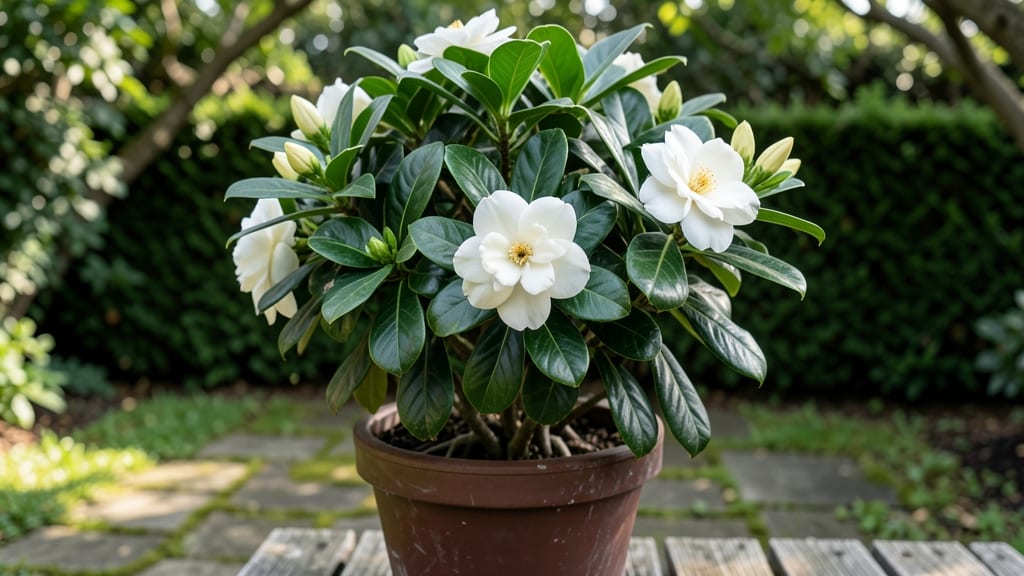
A gardenia tree’s height can reach 6 to 15 feet if left unchecked, but with the right care, you can keep it compact and fragrant year-round.
If you’ve ever dreamed of a fragrant garden but worried about managing a towering gardenia, understanding its growth habits is your first step to success.
These 🌺 beauties grow faster than you might expect—some varieties shoot up 6 to 12 inches per year—so pruning and placement matter more than you’d think.
In USDA Zone 6, where spring planting is ideal, gardenias thrive in partial shade but can stretch toward the sky if given too much sun. The key to controlling their height lies in knowing when to prune, how to space them, and which soil conditions encourage slower, bushier growth.
Below, I’ll break down how fast your gardenia will grow, the best pruning times to keep it manageable, and 5 natural tricks to slow its vertical climb—so you can enjoy those intoxicating blooms without a jungle in your yard.

How tall does a gardenia tree grow? Natural height by variety and growth rate
If you’re planning to add a gardenia tree to your landscape, knowing its mature height is crucial for spacing and design. These fragrant beauties can range from compact dwarf varieties to towering shrubs, with growth rates that vary by cultivar.
Understanding these differences helps you choose the perfect fit for your yard or container garden.
The average gardenia tree height at maturity falls between 6 and 15 feet, depending on the variety and growing conditions. For example, the popular 'Radicans' cultivar typically reaches 8–12 feet, while 'Kleim’s Hardy' stays shorter at 3–6 feet.
Even within the same species, Gardenia jasminoides, growth habits can differ significantly.
Your gardenia’s growth rate depends heavily on its sunlight exposure. While they thrive in partial shade (4–6 hours of morning sun), varieties like 'Radicans' grow faster in full sun—up to 12 inches per year.
However, too much afternoon sun can scorch leaves, slowing growth. Always plant in a spot with morning sunlight and afternoon shade for optimal results.
Soil quality plays a critical role in determining how tall your gardenia grows. These plants demand acidic, well-draining soil with a pH between 5.0 and 6.5. If your soil is alkaline, amend it with peat moss or sulfur to encourage faster, healthier growth.
Poor soil conditions can stunt a gardenia’s height by 30–50%, so testing your soil before planting is a game-changer.
Climate also influences height—gardenia trees grow faster in warm, humid regions (USDA Zones 7–10) but may stay shorter in cooler zones (Zone 6) without winter protection.
In colder climates, 'Kleim’s Hardy' is your best bet, as it tolerates temperatures down to 10°F and grows 20% slower than tropical varieties like 'Fortuniana'.
If you’re growing gardenias in containers, expect them to stay 20–30% shorter than their outdoor counterparts due to root restriction. For example, a 'Radicans' in a 20-gallon pot might max out at 8 feet instead of 12.
Use large containers with drainage holes and repot every 2–3 years to prevent stunted growth.
Pruning isn’t just for shaping—it’s a tool to control height. Regular pruning in late winter or early spring can limit a gardenia’s growth by up to 50%.
For instance, if you want a 'Fortuniana' to stay under 10 feet, prune back one-third of new growth annually. Always use sterilized pruners to avoid disease.
For the fastest growth, combine ideal sunlight, acidic soil, and consistent moisture. A well-cared-for gardenia can add 1–2 feet per year, but neglect—like overwatering or poor soil—will slow it down.
With the right conditions, even a dwarf variety like 'Veitchii' can surprise you with extra blooms and height.
Now that you know how tall your gardenia tree can grow, you’re ready to plan its perfect spot. Whether you choose a compact 'Kleim’s Hardy' for your patio or a tall 'Fortuniana' for your backyard, understanding these growth factors will help you create a fragrant, thriving garden. 🌺🌿
Pruning a gardenia tree for height control: step-by-step guide and best times
Pruning your gardenia tree for height control isn’t just about trimming branches—it’s about encouraging healthy growth while maintaining that intoxicating fragrance. Gardenias respond best to light pruning during specific seasons, and timing is everything.
If you prune at the wrong time, you risk stunting blooms or inviting pests like aphids. Let’s break down the best approach to keep your gardenia at your desired height without sacrificing its beauty.
The key to pruning gardenias is understanding their growth cycles. These tropical beauties thrive in warm climates (USDA Zones 8-11) and grow best when pruned after they’ve finished flowering. For gardeners in cooler zones, late spring or early summer is ideal.
Avoid heavy pruning in fall or winter, as this can stress the plant and reduce next year’s blooms. Think of pruning as a conversation with your gardenia—listen to its needs and respond accordingly.
How to Prune a Gardenia Tree for Height Control
- Step 1 Choose the right tools: Use clean, sharp pruners or bypass shears to make precise cuts. Sterilize your tools with rubbing alcohol to prevent disease. Avoid dull tools—they crush stems and invite infections.
- Step 2 Identify the best time: Prune after flowering, typically in late spring or early summer. This allows the plant to recover and set buds for next season. Never prune in fall or winter—this is when gardenias prepare for dormancy.
- Step 3 Remove dead or weak branches: Start by cutting back any dead wood, crossing branches, or sparse growth. These compete with healthy branches for nutrients and can distort the shape of your gardenia.
- Step 4 Shape the tree: To control height, focus on cutting back the topmost growth. Aim to reduce height by no more than one-third in a single session. Use the third-eye method: Look at the plant from above and trim branches that obstruct light from reaching the center.
- Step 5 Make clean cuts: Always cut just above a leaf node or bud at a 45-degree angle. Avoid leaving stubs, as they can rot and attract pests. Seal larger cuts with pruning sealant if your gardenia is in a dry climate.
- Step 6 Fertilize and water: After pruning, apply a balanced fertilizer (like 10-10-10) to encourage new growth. Water deeply to help the plant recover. Mulch around the base with organic matter to retain moisture and protect roots.
One of the biggest mistakes gardeners make is over-pruning their gardenias. If you cut back too aggressively, the plant may produce fewer blooms or even stop flowering altogether.
Another common error is pruning at the wrong time—like in late summer or early fall, which can shock the plant before winter. Always step back and assess the shape of your gardenia before making cuts.
Think of it like giving your plant a haircut: you want to enhance its natural beauty, not ruin it.
If your gardenia is still growing too tall after pruning, consider root restriction or container growth. Planting in a large pot limits root spread, which naturally slows vertical growth. Just ensure the container has drainage holes and use a well-draining, acidic soil mix (pH 5.0-6.5).
For gardenias in the ground, avoid fertilizing heavily in spring—this can spur rapid growth. Instead, focus on light feeding and consistent moisture to maintain a compact shape.
With the right pruning techniques, your gardenia will stay lush, fragrant, and at your desired height. Remember, patience is key—gardenia trees respond best to gradual pruning over time. Soon, you’ll have a beautifully shaped gardenia that’s the centerpiece of your garden without taking over your space. Happy pruning!