
Watering
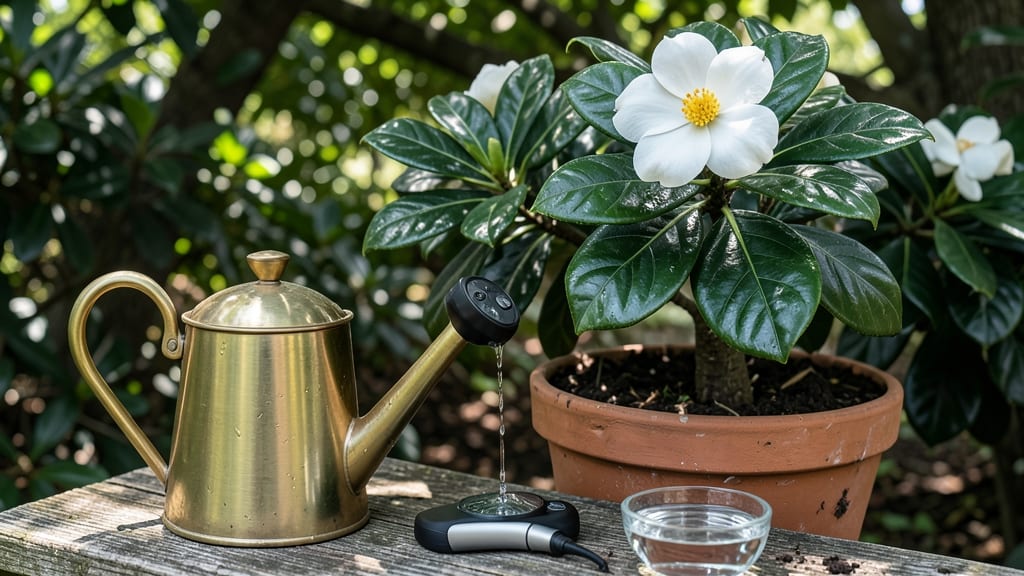
Your gardenia’s water requirements are the difference between fragrant blooms 🌸 and sad, wilted leaves—because too much or too little throws off the whole plant.
Struggling to keep your gardenia blooming while avoiding soggy roots? The right watering schedule is the secret to lush, fragrant flowers—and most gardeners get it wrong by overwatering or underwatering.
Gardenias thrive on consistent moisture, but their roots hate soggy soil. In-ground plants need deep watering every 3-5 days in summer, while container gardenias dry out faster, demanding water every 2-3 days. The key? Let the top inch of soil dry before watering again.
Below, I’ll break down the exact schedule by season, how to spot overwatering vs. underwatering, and why morning watering keeps blooms coming all summer long.
How often to water gardenias for optimal bloom production
Gardenias thrive on consistent moisture, but their tropical roots despise soggy soil. The key to fragrant blooms lies in mimicking their natural humidity-rich environment—without drowning them. I’ve learned this the hard way: overwatering causes root rot, while underwatering leads to wilted leaves and dropped buds.
Let’s break down the science-backed schedule to keep your gardenia happy year-round.
Your gardenia’s water needs shift dramatically with the seasons. In summer’s heat, it may need daily watering, while winter dormancy requires only occasional sips. Even soil type plays a role—sandy soil drains faster than clay, meaning more frequent watering.
Below, I’ve mapped out the exact schedule for each season and soil type, plus telltale signs your gardenia is thirsty or drowning.
| Season | Soil Type | Watering Frequency | Signs of Overwatering | Signs of Underwatering |
|---|---|---|---|---|
| Spring | Sandy | Every 2-3 days | Yellow leaves, mushy stems | Drooping leaves, dry soil |
| Spring | Clay | Every 5-7 days | Root rot, foul smell | Cracked soil, wilting |
| Summer | Sandy | Daily (morning) | Brown leaf edges | Leaves curl inward |
| Summer | Clay | Every 2-3 days | Stunted growth | Flower buds drop |
| Fall | Sandy | Every 4-5 days | Leaf spots | Dull foliage |
| Winter | Clay | Every 10-14 days | None (reduce drastically) | Dry leaf tips |
During spring’s active growth, gardenias need more frequent watering to support new blooms. For sandy soil, water every 2-3 days—it drains quickly, so check the top inch of soil daily.
If it’s dry, water deeply until it runs out the drainage holes. Clay soil holds moisture longer, so wait until the top 2-3 inches feel dry before watering again.
In summer’s peak heat, gardenias crave moisture but hate soggy roots. Water early in the morning to reduce evaporation and fungal risks. Aim for 1-2 inches of water per week, adjusting based on rainfall.
If your gardenia’s leaves start curling inward, it’s thirsty—give it a deep drink immediately. Brown leaf edges, however, signal overwatering.
As fall temperatures drop, reduce watering to every 4-5 days for sandy soil and 5-7 days for clay. Gardenias enter a pre-dormancy phase, so let the topsoil dry slightly between waterings. Watch for dull foliage or leaf spots—these are red flags to adjust your schedule.
Winter is your gardenia’s resting season, so cut back dramatically. Water only when the soil is completely dry, typically every 10-14 days. Overwatering now can suffocate roots and lead to root rot.
If your gardenia is in a container, move it to a sheltered spot to protect it from freezing winds.
Pro tip: Mulch around your gardenia with 2-3 inches of organic mulch (like pine bark) to retain moisture and regulate soil temperature. This mimics their natural tropical habitat and reduces watering frequency by up to 30%. Just keep mulch 2 inches away from the stem to prevent rot.
Container gardenias need more frequent watering because pots dry out faster. Check the
Gardenia watering mistakes that kill blooms (and how to fix them)
If your gardenia’s leaves are turning yellow or its buds drop before opening, you’re likely making a watering mistake. Gardenias are tropical plants that need consistent moisture but hate soggy roots.
The most common errors—overwatering and underwatering—both starve your plant of blooms. Let’s fix these issues before your gardenia throws in the towel.
Overwatering causes root rot, where roots suffocate in wet soil, while underwatering leads to leaf scorch and wilting. Both conditions stress the plant, causing it to drop buds and flowers.
The key is balanced moisture—enough to keep the soil damp but never waterlogged. Let’s dive into the most damaging mistakes and how to reverse them.
⚠️ Gardenia Watering Red Flags
Yellowing leaves or mushy stems = overwatering. Crispy edges or drooping buds = underwatering. Fix it fast: adjust your schedule and check soil moisture 1 inch below the surface before watering. Gardenias prefer acidic, well-draining soil—amend with peat moss if needed.
One of the biggest mistakes is watering on a schedule instead of checking soil moisture. Gardenias need 1 inch of water per week in summer, but this changes with seasonal shifts.
In winter, reduce watering to every 2-3 weeks since growth slows. Use your finger to test moisture—if the top 1-2 inches feel dry, it’s time to water.
Another common error is watering leaves instead of the soil. Wet foliage encourages fungal diseases like powdery mildew, which weakens the plant and causes buds to drop. Always direct water to the base of the plant and avoid overhead spraying.
Early morning is the best time to water, giving leaves time to dry before evening humidity sets in.
Container gardenias are especially prone to watering mistakes because pots dry out faster. If your potted gardenia’s soil stays damp for more than 2-3 days, it’s overwatered.
Switch to a terracotta pot for better drainage and add a layer of perlite to the soil mix. Always ensure pots have drainage holes to prevent root rot.
To revive an overwatered gardenia, stop watering immediately and let the soil dry out. Repot the plant in fresh, well-draining soil and place it in a shadier spot to reduce stress.
For underwatered plants, soak the soil deeply and mulch around the base to retain moisture. A 3-inch layer of mulch helps regulate soil temperature and reduces evaporation.
Prevent future blooming failures by monitoring your gardenia’s water needs year-round. Adjust your routine with the seasons: more water in summer, less in winter. With the right balance, your gardenia will reward you with fragrant, long-lasting blooms all season long. 🌸