
Size
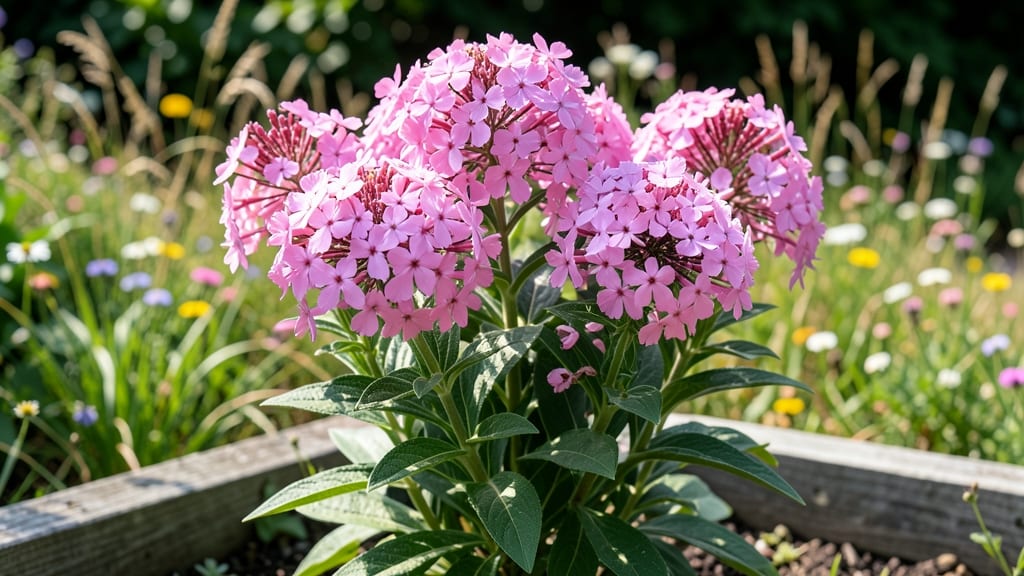
Wondering how tall do garden phlox get? These vibrant summer blooms can range from 1 foot to over 5 feet, depending on the variety and growing conditions—so choosing the right type for your space is key.
If you’re dreaming of vibrant summer blooms but wondering whether garden phlox will overwhelm your flower beds, their height can make all the difference—some varieties stay compact while others reach towering proportions.
This height range isn’t just about aesthetics; it also affects how you use phlox in your garden. Dwarf varieties work perfectly for borders, while taller ones create stunning backdrops for cottage-style plantings.
Below, I’ll break down the height ranges by variety, share tips for controlling growth, and help you pick the perfect phlox for your garden layout.

Garden phlox height ranges: compact to towering varieties explained
Garden phlox (Phlox paniculata) is one of summer’s most beloved flowers, but their height ranges can vary dramatically—from dwarf varieties perfect for containers to towering giants that dominate garden backdrops. Knowing these differences helps you choose the right variety for your space and design goals.
Whether you’re planning a cottage-style border or a tall garden focal point, phlox height plays a key role in your layout.
Most gardeners assume phlox are all medium-sized, but the reality is far more diverse. Some varieties barely reach 12 inches while others soar to 5 feet. The secret lies in selecting the right cultivar and providing optimal growing conditions.
For example, dwarf phlox like 'David' thrive in small gardens, while 'Blue Paradise' creates dramatic vertical interest. Let’s break down the height categories and their best uses.
| Variety | Height Range | Best For | USDA Zones |
|---|---|---|---|
| 'David' | 12-18 inches | Containers, borders | 3-9 |
| 'Lipstick' | 18-24 inches | Front of beds | 4-8 |
| 'Obsession' | 24-30 inches | Mixed borders | 4-8 |
| 'Blue Paradise' | 36-48 inches | Back of beds | 4-8 |
| 'Starfire' | 48-60 inches | Cut flowers, focal points | 4-8 |
Dwarf phlox varieties like 'David' and 'Lipstick' are ideal for small gardens or container gardening. These compact plants typically mature between 12-24 inches and work beautifully in window boxes or as border edging.
Their shorter stature also makes them easier to maintain, requiring less staking and pruning. For gardeners in USDA Zones 3-9, these varieties offer year-after-year color with minimal fuss.
The medium-height range (24-36 inches) includes popular cultivars like 'Obsession', which produces vibrant pink blooms perfect for mixed borders. This height range bridges the gap between dwarf and tall varieties, making it versatile for mid-height garden layers.
Medium phlox also benefit from partial shade, which helps prevent the powdery mildew that can plague taller varieties in humid climates.
Tall phlox varieties like 'Blue Paradise' and 'Starfire' reach 3-5 feet at maturity, making them perfect for backdrop planting or cut flower arrangements. These towering beauties need sturdy stems and often require support stakes to prevent flopping.
In USDA Zones 4-8, they thrive with well-drained soil and morning sunlight, which helps them maintain their upright growth habit.
One common misconception is that phlox height is solely determined by genetics. While variety plays a major role, growing conditions can significantly influence final height. For example, over-fertilizing with nitrogen can lead to taller but leggier growth, while pruning back early can encourage a more compact habit.
Even within the same variety, plants may vary by 6-12 inches depending on soil quality and sunlight exposure.
If you’re planting phlox in small spaces, consider dwarf varieties or pruning techniques to control height. For example, pinching back new growth in early summer can reduce final height by 20-30% while encouraging bushier blooms.
This is especially useful for container gardening or urban balconies where space is limited but color is desired.
For tall garden backdrops, choose full-sun varieties like 'Starfire' and pair them with support structures like tomato cages or bamboo stakes. These varieties also make excellent cut flowers, lasting 7-10 days in a vase.
Their height makes them ideal for garden focal points or privacy screens when planted in clusters.
When selecting phlox for your garden, always check the mature height listed on seed packets or plant tags. This ensures you’ll have the right proportions for your design. For example, a 3-foot phlox planted behind a 2-foot shrub will create a balanced layering effect, while a
How to control phlox height naturally for a neat garden layout
Garden phlox can grow 3 to 5 feet tall, but their height isn’t set in stone—you can shape them to fit your garden design. The key lies in pruning, staking, and proper spacing without harming those stunning blooms.
Whether you want compact clusters for borders or taller specimens for the back of beds, these natural methods keep phlox under control while encouraging lush foliage and abundant flowers.
Start by understanding your phlox’s natural growth habit. Dwarf varieties like 'David' stay under 2 feet tall, while taller types like 'Blue Paradise' can reach 4 to 5 feet.
The difference? Genetics, sunlight, and soil fertility all play a role. But with the right techniques, you can coax even the tallest phlox to grow neatly—no harsh pruning required.
Step-by-Step Guide to Managing Phlox Height
-
Step 1: Plant with Proper Spacing
Space dwarf phlox 12 inches apart and taller varieties 18 to 24 inches apart. This prevents overcrowding, which can lead to leggy growth and flopping stems.
-
Step 2: Use Support Stakes Early
Insert bamboo stakes or tomato cages at planting time for taller varieties. Tie stems loosely with soft garden twine to guide growth upward naturally.
-
Step 3: Deadhead Regularly
Remove spent blooms every 2 to 3 weeks to encourage more compact growth and prevent the plant from directing energy toward seed production.
-
Step 4: Prune for Shape in Early Summer
Cut back one-third of the stems after the first flush of blooms (around late June) to promote bushier, shorter growth for a second bloom cycle.
-
Step 5: Mulch to Control Fertility
Apply 2 inches of organic mulch (like shredded bark) to limit nitrogen in the soil. Excess nitrogen fuels tall, weak stems—mulching keeps phlox stocky and sturdy.
-
Step 6: Avoid Over-Fertilizing
Use a balanced 10-10-10 fertilizer sparingly—once in early spring and once after mid-summer pruning. Too much fertilizer leads to excessive height and fewer blooms.
-
Step 7: Prune for Winter Cleanup
After the first frost, cut back all stems to 2 inches tall. This removes last year’s growth and encourages neat, uniform regrowth in spring.
For extra-tall phlox, consider training them along a trellis or fence. This not only controls height but also creates a stunning vertical display. Just be sure to tie stems loosely to avoid damaging the delicate stems.
If you’re growing phlox in containers, choose dwarf varieties or prune aggressively to keep them under 2 feet.
Remember, the goal is to guide growth, not restrict it. With these techniques, your phlox will thrive while staying neat, healthy, and perfectly sized for your garden vision. Happy pruning!