
How To
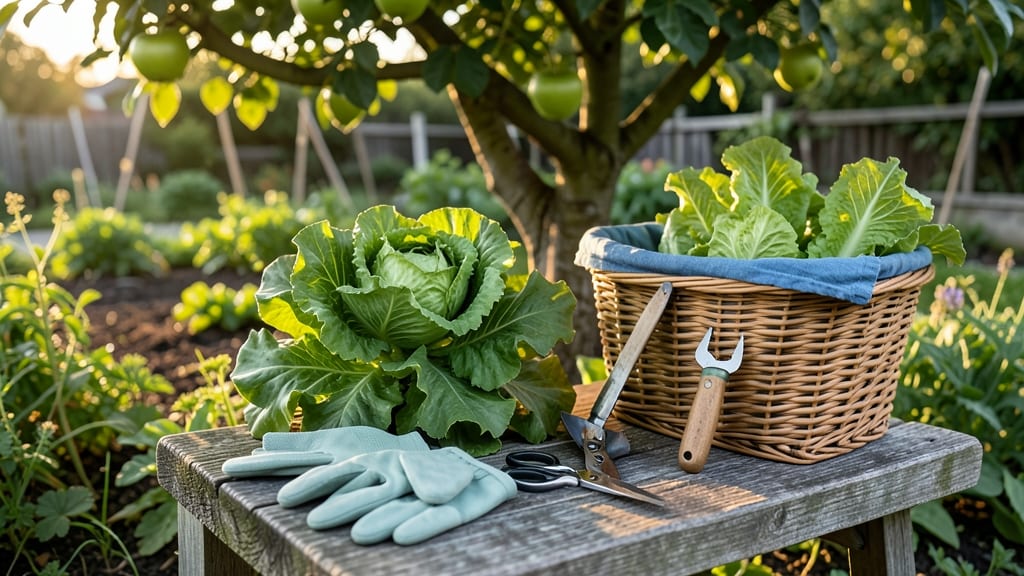
To harvest lettuce from your garden at the perfect moment means crisp, tender leaves instead of bitter, overgrown ones 🥬 — and the key is knowing exactly when to reach for those shears.
Nothing beats the fresh taste of homegrown lettuce, but timing is everything. Harvest too early, and you’re left with tiny, pale leaves. Wait too long, and you’ll regret the tough, bitter crunch that ruins salads.
The good news? There are 3 foolproof signs your lettuce is ready for the cutting board.
First, you’ll spot outer leaves reaching 4-6 inches in length, vibrant in color and firm to the touch. Second, the plant will have developed a sturdy base with at least 4-6 mature leaves.
Finally, the texture should be crisp, not floppy. These cues mean your lettuce is at its peak flavor and texture.
In this guide, I’ll walk you through exactly how to check for these signs, the best tools to use for harvesting, and even how to encourage regrowth so you can enjoy a steady supply of fresh greens all season long.


3 Clear signs your lettuce is ready for harvest (with visual cues)
Harvesting lettuce at the perfect moment transforms your garden into a salad bar, but timing is everything. Overlooking these 3 key signs can turn your crisp greens into bitter, tough leaves faster than you think.
The good news? You don’t need a botanist’s degree—just your eyes, fingers, and a little patience. Let’s break down what to look for before you grab those sharp garden shears.
First, focus on leaf size—this is your primary indicator. Most lettuce varieties are ready when the outer leaves reach 4-6 inches in length. Smaller leaves mean your lettuce still needs time to mature, while oversized leaves signal it’s past prime.
I like to compare them to a standard dinner plate: if the leaves span about half the plate’s width, they’re likely ready.
Next, check the color and texture. Ready-to-harvest lettuce boasts vibrant, deep hues—think rich greens, deep reds, or purples depending on the variety. The leaves should also feel firm but tender, like a crisp apple.
If they’re soft or floppy, your lettuce needs more time. Pro tip: Run your thumb gently over a leaf—if it springs back instead of denting, it’s perfect for picking.
Finally, examine the plant’s overall structure. Mature lettuce typically has 4-6 fully formed outer leaves surrounding a tight inner rosette. This indicates the plant has directed enough energy into growth rather than bolting (that’s when lettuce goes to seed prematurely).
If your plant looks leggy or the center is opening up, it’s time to harvest before the flavor turns bitter.
| Sign | Not Ready Lettuce | Ready to Harvest | Overgrown Lettuce |
|---|---|---|---|
| Leaf Size | 2-3 inches | 4-6 inches | 6+ inches (tough) |
| Texture | Soft, floppy | Crisp, firm | Leathery, tough |
| Color | Pale, dull | Vibrant, deep | Fading, yellowing |
| Plant Structure | Few leaves (<3) | 4-6 outer leaves | Loose center, bolting |
| Harvest Method | None | Cut outer leaves | Harvest entire head |
Now that you’ve spotted the signs, here’s how to avoid common pitfalls. Harvesting too early leaves you with tiny, underdeveloped leaves, while waiting too long risks bolting—when lettuce sends up a flower stalk and turns bitter.
I’ve learned this the hard way: a heatwave once turned my prize lettuce into a sad, seedy mess in days! To prevent this, harvest outer leaves first for loose-leaf varieties, leaving the inner rosette to regrow.
For head lettuce like romaine or iceberg, wait until the entire head feels firm and compact. Gently squeeze it—if it holds its shape without squishing easily, it’s ready. If you’re unsure, check the base of the plant.
A healthy lettuce will have a tight, white core. If the core is loose or brown, it’s past its prime. Remember, consistency is key: harvest regularly to encourage continuous growth.
One trick I’ve picked up from experienced gardeners is the "finger test". Pinch a leaf between your thumb and forefinger—if it snaps cleanly and doesn’t tear, it’s harvest-ready. This method works especially well for butterhead and bibb lettuce, which can get mushy if overwatered before picking.
Always harvest on a cool morning after dew has dried to ensure the crispest texture.
Visual cues are your best friend, but don’t ignore the weather conditions. Lettuce harvested during peak heat (especially after 10 AM) wilts faster.
If you must harvest in hot weather, do it early and store the lettuce in a shaded, humid environment (like a damp towel in the fridge) until you’re ready to use it. This simple step can extend freshness by days.
Finally, let’s talk about regrowth. If you’re growing loose-leaf varieties, you can keep harvesting outer leaves every 2-3 weeks for a continuous supply. Just avoid cutting more than one-third of the plant at a time to prevent stress.
For head lettuce, once you harvest the whole head, it’s time to replant. I’ve found that succession planting—sowing new seeds every
Step-by-step harvesting methods for different lettuce types (loose-leaf vs. head)
Harvesting lettuce the right way ensures you get crisp, flavorful greens without stressing your plants. The method you choose depends on whether you're growing loose-leaf varieties (like buttercrunch or oakleaf) or head lettuce (like iceberg or romaine).
Each type requires a different approach to maximize yield and plant health.
For loose-leaf lettuce, the cut-and-come-again method works best—this lets you harvest outer leaves while the inner ones keep growing. Head lettuce, however, should be harvested whole at once when fully mature. Using the wrong technique can lead to bitter flavors, premature bolting, or even killing your plant.
How to Harvest Lettuce from Garden
Timing is everything when it comes to regrowth. For loose-leaf varieties, you can harvest every 2-3 weeks throughout the growing season if you maintain proper care. Head lettuce, on the other hand, is a one-time harvest—once you cut it, the plant won’t regrow, so plan accordingly.
Avoid harvesting during peak heat (midday sun) or after heavy rain, as this can stress the plant and lead to bolting or bitter flavors. Always harvest in the morning when leaves are at their crispest for the best results.
With these methods, you’ll enjoy a steady supply of fresh lettuce all season long—whether you prefer the convenience of cut-and-come-again harvesting or the satisfaction of a full, crisp head ready for the table. Happy harvesting! 🥬