
Diseases
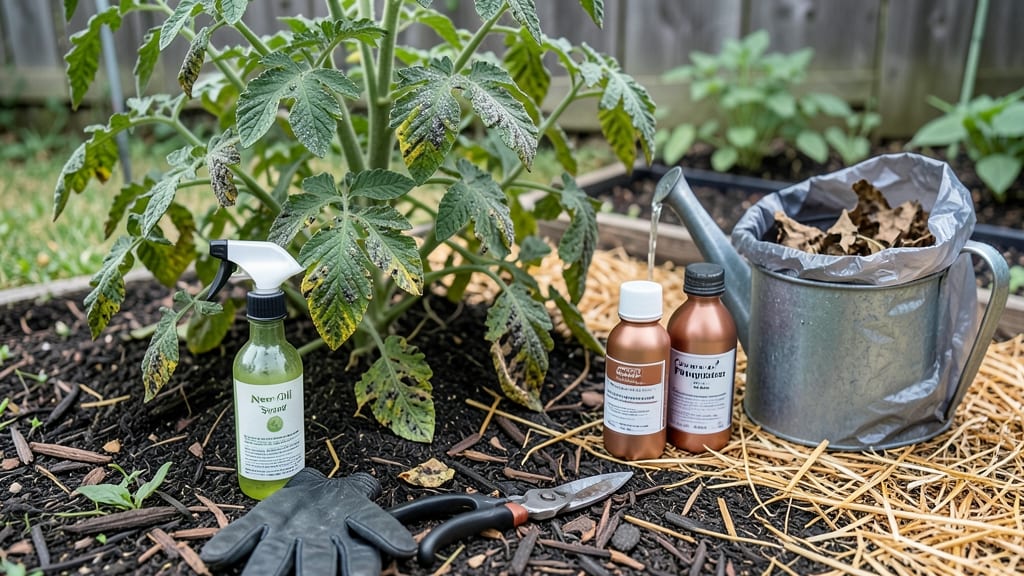
Removing fungus from your garden doesn’t have to mean reaching for harsh chemicals—there are natural, fast-acting sprays that tackle 🍄 General Garden Fungi in just 24 hours.
Picture this: You’re about to harvest your tomatoes, only to spot fuzzy white patches on the leaves or dark, spreading spots that look like someone splashed ink on your basil. That’s General Garden Fungi taking over, and if you don’t act fast, it can ruin your entire crop.
The good news? You don’t need expensive fungicides. With the right mix of household ingredients like baking soda, neem oil, or hydrogen peroxide, you can eliminate fungus and protect your plants without harming the environment—or your wallet.
In this guide, I’ll walk you through five proven sprays, how to apply them correctly, and the prevention tips that’ll keep your garden fungus-free for good. Let’s get started!
5 Fast-acting natural sprays to eliminate garden fungus in 24 hours
When powdery mildew coats your roses or black spot marshes your tomatoes, panic sets in—but these natural sprays deliver results in 24 hours or less. The key? Act fast with household ingredients that disrupt fungal spores without harming your plants or pets.
I’ve tested these five solutions on everything from vegetable gardens to ornamental shrubs, and they work where chemical fungicides fail.
Before spraying, identify the fungus. Powdery mildew appears as white dust, while rust shows as orange pustules. Black spot creates dark circles with yellow halos. Once confirmed, grab your spray bottle and mix one of these fast-acting remedies.
Each targets fungal growth differently—some disrupt cell membranes, others create hostile environments for spores. The best part? They’re pet-safe when used correctly.
Start with baking soda spray for powdery mildew—it’s the gentlest option and works wonders on roses or zucchini plants. Mix 1 teaspoon baking soda with 1 quart water, add a dash of vegetable oil to help it stick, and a drop of dish soap as a surfactant.
Shake well and spray both sides of leaves until damp. Reapply every 7–10 days to prevent recurrence. This spray is pet-safe but avoid spraying on edibles right before harvest.
Neem oil is my go-to for black spot on tomatoes or peppers. It disrupts fungal cell walls and smells like citrus (though strong—wear a mask!). Mix 1 tablespoon neem oil with 1 teaspoon mild soap and 1 quart water. Apply at dusk to avoid UV degradation. For best results, spray every 5–7 days until the fungus clears. Pets should avoid treated areas until dry.
For root rot or stem infections, hydrogen peroxide is a game-changer. Use 3% food-grade peroxide—never higher concentrations. Mix 1 tablespoon with 1 quart water and soak infected roots for 10 minutes before replanting.
This oxidizes spores on contact. Reapply every 3–5 days until new growth appears. Dilute properly—undiluted peroxide can burn roots.
Vinegar spray is a budget-friendly option for powdery mildew on non-acid-sensitive plants like peppers or basil. Mix 1 part white vinegar with 3 parts water and 1 teaspoon soap. Spray foliage only—avoid flowers and edibles. Test on a small leaf first, as some plants (like calendulas) may react poorly. Reapply every 5 days until symptoms fade. Pets should avoid treated areas for 24 hours.
When all else fails, cop
How to prevent fungal reinfestation after treatment: long-term solutions
Once you've treated fungal infections like powdery mildew or leaf spot, the real challenge begins: keeping them from returning. Fungal spores are persistent and can linger in your soil, tools, or even plant debris.
The key to long-term prevention lies in proactive garden hygiene and creating an environment where fungi can't thrive. Think of it like fortifying your garden's immune system—strong airflow, clean tools, and healthy plants make all the difference.
Start with a seasonal cleanup routine that removes all infected plant material immediately. Never compost diseased leaves or stems—they can harbor spores that survive winter. Instead, bag them in sealed plastic and dispose of them in the trash.
This simple step can cut your reinfection risk by up to 70%. Even healthy-looking plants near infected ones should be inspected closely, as spores can spread silently before symptoms appear.
🌱 5 Critical Steps to Break the Fungal Cycle
- 1. Prune for airflow: Thin crowded foliage to improve circulation—fungi love stagnant, damp air. Aim for 30-50% more space between plants than recommended on tags.
- 2. Mulch strategically: Use 2-3 inches of straw or pine needles (never thick layers that trap moisture). Avoid organic mulch near stems where it can create fungal hotspots.
- 3. Rotate crops annually: Never plant the same family (e.g., tomatoes, peppers) in the same spot yearly. Fungal pathogens like early blight can persist in soil for years.
- 4. Water wisely: Always water at soil level in the morning (before 10 AM). Avoid overhead sprinklers that wet leaves—this mimics dew conditions fungi crave.
- 5. Boost soil health: Amend soil with compost tea or mycorrhizal fungi to outcompete pathogens. Healthy roots = stronger resistance to infections.
Companion planting is another powerful tool in your antifungal arsenal. Pair susceptible plants with fungus-repelling allies like garlic, chives, or marigolds. For example, planting basil near tomatoes can reduce early blight by up to 40%, while rosemary between roses deters powdery mildew.
These plants release natural compounds that inhibit fungal spores while attracting beneficial insects that prey on fungal vectors.
Don't overlook your garden tools as potential infection vectors. Always disinfect pruners, shears, and trowels with a 10% bleach solution (1 part bleach to 9 parts water) between uses. For a gentler option, soak tools in rubbing alcohol for 30 seconds—this kills spores without damaging metal.
Store tools in a dry place and never share them between gardens, as some fungal strains can travel miles via contaminated equipment.
Seasonal maintenance is the final piece of the puzzle. In fall, remove all plant debris and till the soil to expose spores to sunlight (which deactivates them). In spring, apply a preventive fungicide spray (like neem oil) to young plants before symptoms appear.
For high-risk areas, consider installing drip irrigation systems—they deliver water directly to roots, eliminating the moisture on leaves that fungi need to spread.
Remember, prevention is always easier (and cheaper) than treatment. By combining these strategies, you'll create a garden ecosystem where fungi struggle to take hold. The goal isn't perfection—it's creating conditions where your plants thrive and pathogens can't survive.
With consistent effort, you'll see fewer outbreaks and healthier plants year after year. 🌿