
Advice
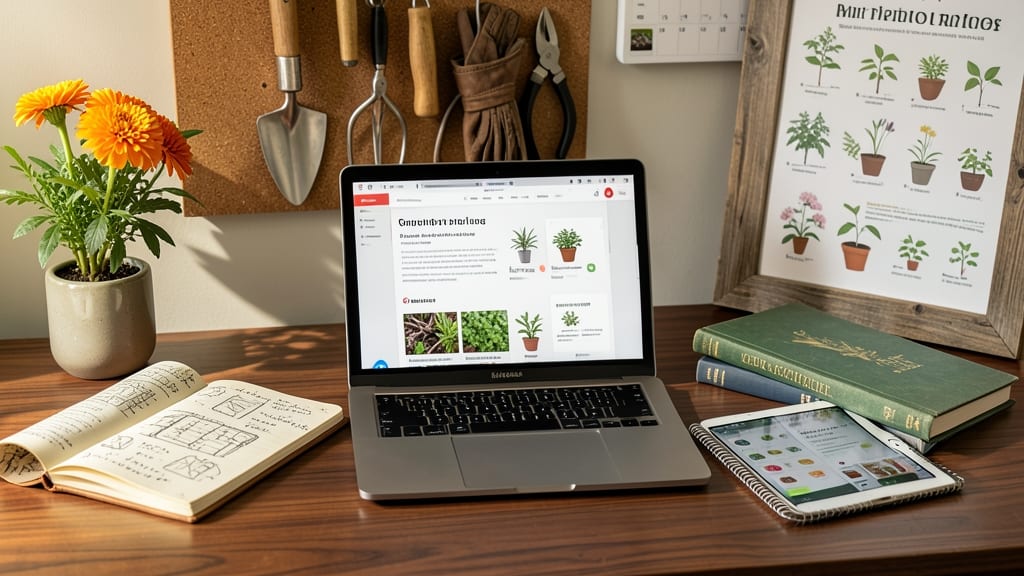
To find free online master gardener courses, look for accredited programs like the National Gardening Association’s self-paced modules or state-specific extension services, which provide certification without tuition fees. These cover essential topics such as plant science, pest control, and eco-friendly gardening techniques.
Many of these programs partner with land-grant universities—like Cornell or University of California—to ensure their content meets professional standards. 🌱 What sets them apart is the blend of theory and hands-on application, often including virtual workshops or community project requirements.
For example, Texas A&M’s AgriLife Extension offers a fully online path to certification, while Cornell provides free modules through their Learn@Cornell platform that anyone can access.
Most programs take 3-6 months to complete, with about 50 hours of study time, but the flexibility lets you learn at your own pace. The best part? You’ll gain real-world skills—like diagnosing plant diseases or designing sustainable landscapes—that translate directly to your garden.
Plus, many states offer local mentorship opportunities to connect with experienced gardeners in your area.
💡 In This Article
- How Free Online Master Gardener Programs Maintain Credibility
- Top Free Online Gardening Certifications by State and Organization
How free online master gardener programs maintain credibility
These programs earn their credibility through partnerships with land-grant universities, which are federally designated institutions specializing in agricultural research and extension services. For example, the University of California Cooperative Extension and Purdue Extension collaborate with online platforms to deliver courses that mirror their in-person Master Gardener training.
The curriculum follows strict guidelines set by the Extension System, ensuring consistency with traditional programs while adapting to digital formats. 🌱
Curriculum standards require a minimum of 50 hours of instruction across core topics like plant pathology, entomology, and soil science—just like their paid counterparts.
What makes them accessible is the use of peer-reviewed textbooks (often available for free PDF download) and video lectures from university professors with advanced degrees in horticulture. Many programs also include virtual labs, where students analyze plant samples or identify pests through interactive modules.
Instructor qualifications are another key factor. While some courses use pre-recorded content, others feature live Q&A sessions with certified Master Gardeners who hold degrees in botany or agriculture. For instance, Cornell University’s online horticulture courses are taught by faculty members who publish research in peer-reviewed journals.
This ensures students receive the same level of expertise as traditional students, just through a screen instead of a classroom.
Accreditation isn’t just about the instructors—it’s also about the final certification. Programs like Texas A&M AgriLife Extension offer digital badges or certificates that verify completion of all coursework and often include a capstone project, such as creating a community garden plan.
These credentials are recognized by professional organizations, meaning your online certification carries the same weight as one earned through in-person training.
What sets these programs apart is their commitment to continuous improvement. Many use feedback from thousands of online learners to refine their content, ensuring the material stays current with the latest research.
For example, modules on climate-smart gardening are regularly updated to reflect new drought-resistant plant varieties or sustainable practices recommended by the USDA. This dynamic approach keeps the education relevant without sacrificing quality.
Finally, these programs maintain credibility through transparency. Most clearly state their partnerships with universities, list instructor credentials on their websites, and provide contact information for support. You’ll often find forums where alumni discuss their experiences, offering real-world proof of the program’s value.
This level of openness builds trust—something you won’t find with many free alternatives.