
Tools
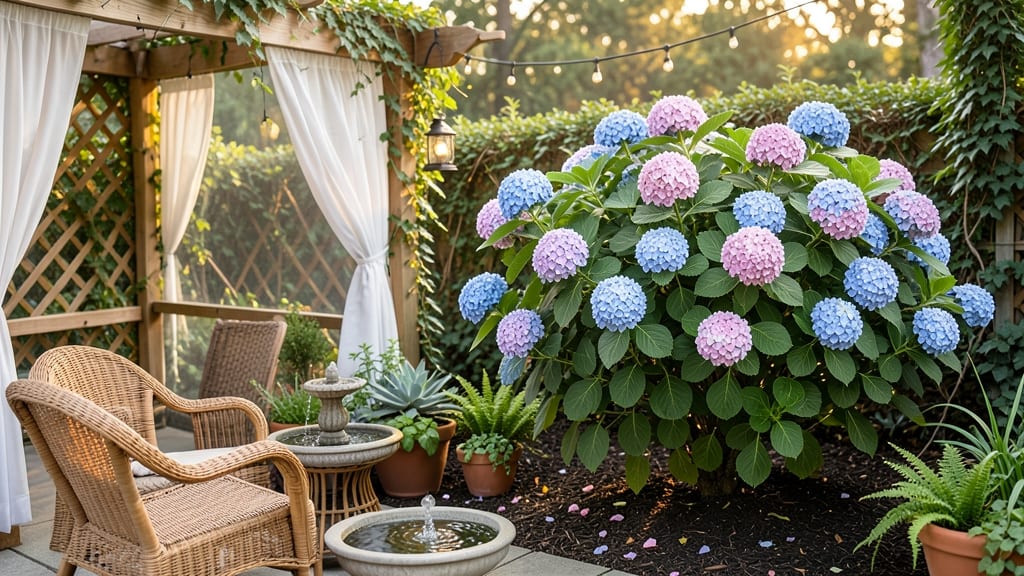
A screened-in garden blends outdoor beauty with the comforts of an indoor space, shielding you from pests, wind, and prying eyes while keeping nature right at your fingertips.
Imagine a private outdoor oasis where you can garden, relax, or entertain—no matter the season—while keeping pests, neighbors, and weather at bay. A screened-in garden isn’t just about privacy; it’s about creating a functional, stylish retreat that works year-round.
Whether you’re dreaming of a cozy reading nook, a pest-proof vegetable garden, or a shaded dining area, the right layout and materials make all the difference. From lightweight mesh to decorative lattice, we’ll explore 10 privacy-preserving designs that balance airflow, aesthetics, and practicality.
Ready to design your perfect escape? Discover how to choose the best screens for your climate, arrange plants for maximum impact, and keep your space pest-free with minimal upkeep.
10 Screened-in garden layouts for maximum privacy and functionality
A screened-in garden transforms your outdoor space into a pest-free sanctuary where you can garden, dine, or unwind without compromising privacy. Whether you’re shielding a small balcony or enclosing a large backyard, the right layout balances functionality and aesthetics.
These designs cater to every need—from cozy reading nooks to entertainment-ready patios—using materials like aluminum, vinyl, or wood with varying privacy levels and screen types.
From fine mesh for airflow to decorative lattice for visual appeal, each layout includes zoning ideas like seating areas, planting beds, or dining spaces. I’ll walk you through 10 proven designs, highlighting how to maximize sunlight, ventilation, and plant growth while keeping neighbors and bugs at bay.
Start small with a corner retreat or go bold with a full enclosure—your outdoor oasis is just a screen away!
🌿
| Layout Name | Best For | Materials | Privacy Level | Key Features |
|---|---|---|---|---|
| Cozy Corner Retreat | Small balconies, patios | Aluminum frame + fine mesh | 60-70% | Hammock nook, potted plants, foldable chair |
| Vegetable Garden Enclosure | Edible gardens, pest control | Vinyl + UV-resistant mesh | 80-90% | Raised beds, drip irrigation, trellis |
| Outdoor Dining Alcove | Entertaining, weather protection | Wood frame + decorative lattice | 50-60% | Fire pit, bistro set, string lights |
| Meditation Garden | Relaxation, soundproofing | Bamboo screens + fine mesh | 90-100% | Water feature, cushioned bench, ferns |
| Children’s Play Zone | Safe play area, bug-free | Aluminum + durable mesh | 75-85% | Sandbox, climbing structure, shade sail |
| Herb Spirals | Compact gardening, airflow | Wire mesh + trellis | 40-50% | Spiral design, drip irrigation, herbs |
| Outdoor Office | Workspace, focus area | Vinyl + privacy panels | 85-95% | Wi-Fi extender, ergonomic chair, potted plants |
| Butterfly Garden | Pollinator-friendly, open airflow | Fine mesh + lattice | 30-40% | Native flowers, shallow water dish, nectar plants |
| Firefly Glow Zone | Evening relaxation, low light | Wood + sheer fabric | 50-60% | Fairy lights, mosquito lanterns, lounge chairs |
| Full Backyard Enclosure | Year-round privacy, large spaces | Aluminum + insulated panels | 95-100% | Sliding doors, heating pad, garden beds |
The cozy corner retreat is perfect for small spaces, using aluminum frames with fine mesh to allow airflow while blocking 80% of visibility. Add a hammock and potted herbs like basil or mint to create a self-sustaining micro-garden.
This layout thrives in partial shade, making it ideal for morning sun without overheating.
For edible gardens, the vegetable garden enclosure uses UV-resistant vinyl and 80-90% privacy mesh to keep pests out while letting pollinators in.
Install raised beds along one side and drip irrigation to conserve water. Tomatoes and peppers love this setup, as do leafy greens like kale or spinach, which benefit from protected airflow.
How to choose screen materials and privacy levels for your climate
A screened-in garden thrives on the right balance between privacy and airflow, but your climate dictates the best materials. In humid regions, vinyl screens resist mold, while windy areas demand sturdy aluminum frames.
Let’s break down your options to match your needs—whether you prioritize pest control, sunlight exposure, or low maintenance.
Your privacy level—measured in percent coverage—directly impacts airflow and visibility. A 30% open screen lets in breezes and light while keeping bugs out, while 100% solid panels block views completely.
The tradeoff? Higher coverage means less natural ventilation, which can trap heat or humidity. Choose based on your primary goal: full seclusion or a breezy, semi-private retreat.
For wind-prone climates, aluminum screens with 40%–60% coverage offer the best balance. They resist bending and rust, while still allowing airflow. In humid areas, opt for vinyl-coated screens with UV protection to prevent warping. If you love the natural look, bamboo slats