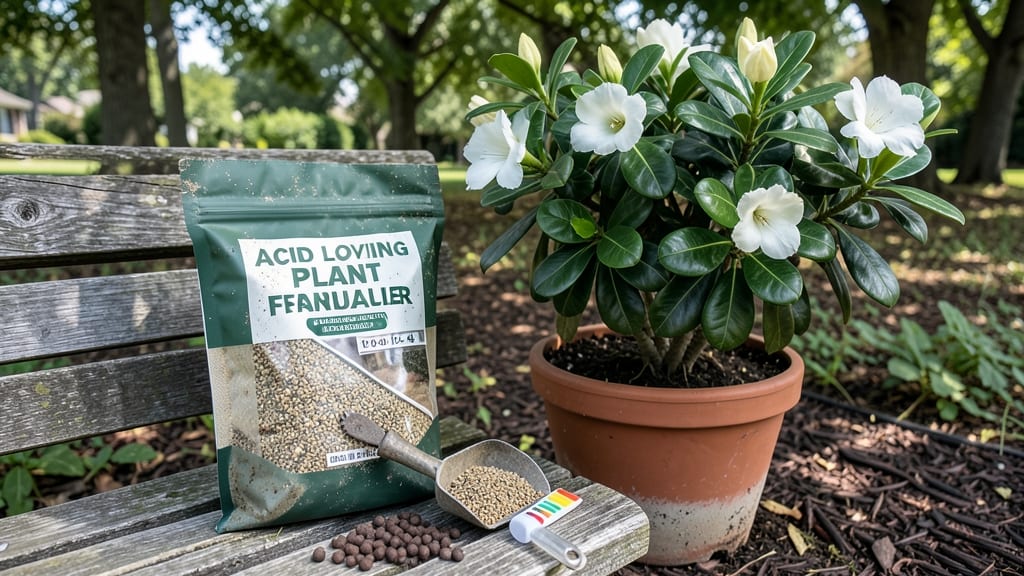
To fertilize gardenias at the right time means catching them just as they wake up from winter dormancy — that’s the key to triggering those fragrant blooms all season.
Struggling to keep your gardenias blooming all year? The secret isn’t just water or sunlight—it’s a precise fertilization schedule that turns your shrubs into a year-round fragrance machine.
In USDA Zone 6, where gardenias thrive, timing matters more than you’d think. Feed them too early, and you’ll burn tender roots; wait too long, and you’ll miss the bloom window entirely.
The sweet spot? Start fertilizing in early spring, right after the last frost, and keep it light until summer.
Below, I’ll walk you through the exact schedule, the best fertilizers for gardenias, and how to spot when you’ve overdone it—because even the most fragrant gardenias can’t handle too much of a good thing.
🌸
Spring
FEED
Fertilize lightly after new growth appears (April-May).
☀️
Summer
Light Feed
Reduce feeding in hot months to avoid stress.
🍂
Fall
Skip
No fertilizer needed; plant enters dormancy.
❄️
Winter
Skip
Dormant; avoid fertilizing.
Optimal fertilization timeline for gardenia blooms: seasonal breakdown
If you’ve ever watched your gardenia blooms fade faster than a summer sunset, chances are your fertilization schedule needs a tune-up. These fragrant shrubs thrive on consistent nutrients, but timing is everything.
Too early, and you’ll stress new growth; too late, and your plant will miss its bloom trigger. The key? A seasonal fertilization rhythm that mirrors your gardenia’s natural growth cycles.
Gardenias are heavy feeders during their active months—think spring through early summer—but they despise winter fertilizing. That’s why I’ve broken down the perfect schedule, month by month, so you can keep those creamy white blooms perfuming your garden from spring to fall.
Let’s dive into the science behind the scent!
| Month |
Action |
Fertilizer Type |
Amount |
Notes |
| January |
None |
- |
- |
Dormant season; avoid fertilizing. |
| February |
None |
- |
- |
Cold months; plant rests. |
| March |
Light Feed |
Acid-loving |
½ tbsp/plant |
Stimulate early growth. |
| April |
Feed |
Balanced (10-10-10) |
1 tbsp/plant |
Post-bloom recovery. |
| May |
Feed |
High-phosphorus |
1 tbsp/plant |
Bloom-boosting month. |
| June |
Light Feed |
Acid-loving |
½ tbsp/plant |
Reduce heat stress. |
| July |
Light Feed |
Balanced |
½ tbsp/plant |
Maintain blooms. |
| August |
None |
- |
- |
Prep for dormancy. |
| September |
None |
- |
- |
No fertilizer needed. |
| October |
None |
Signs your gardenias need fertilizer (and what to use)
Your gardenias might be whispering for help—literally! When their fragrant blooms fade or leaves turn yellow, it’s often a cry for nutrients. These acid-loving shrubs thrive with regular feeding, but too much or too little can ruin their show.
Let’s decode the signs and pick the perfect fertilizer for your scented stars.
First, check the leaves. Yellowing between veins? That’s classic iron deficiency, while brown tips scream over-fertilization. Sparse blooms or weak stems? Your gardenias are nutrient-starved.
Even established plants need a boost—especially after spring pruning or hot summer stress. The key is timing: feed when they’re actively growing, but never in winter dormancy.
When to Fertilize Gardenias
✅ DO Fertilize
- Spring (April-May) – After last frost, when new growth appears
- Early summer (June) – Light feeding to support blooms
- Every 4-6 weeks – During active growing season
❌ DON’T Fertilize
- Winter months – Plant is dormant, no nutrient uptake
- Afternoon heat – Risk of fertilizer burn
- Overcrowded roots – Wait until pruned or repotted
💡 Pro Tip: Test soil pH first—gardenias need acidic soil (5.0–6.0).
Now, let’s talk fertilizer types. Organic options like fish emulsion or cottonseed meal slowly release nutrients, while synthetic 10-10-10 formulas deliver quick results. For yellowing leaves, iron supplements (like iron sulfate) work wonders. Always water deeply before and after applying fertilizer to prevent root burn.
Container gardenias need more frequent feeding—every 3-4 weeks—since potting soil depletes faster. For in-ground plants, spread a slow-release granular fertilizer around the root zone in early spring. Avoid high-nitrogen fertilizers; they promote leafy growth at the expense of fragrant blooms.
Watch for over-fertilization signs: crispy leaf edges, stunted growth, or white crust on soil. If you suspect overdoing it, flush the soil with water and hold off on feeding for 2 months. Gardenias reward patience—consistent, moderate feeding keeps them blooming and fragrant all season.
Remember, your gardenias’ scented magic starts with the right nutrients. Start with a soil test, feed smartly, and soon you’ll have a fragrance-filled oasis that neighbors will envy! 🌸
★★★★★4.5(9 reviews)
|