
Picking
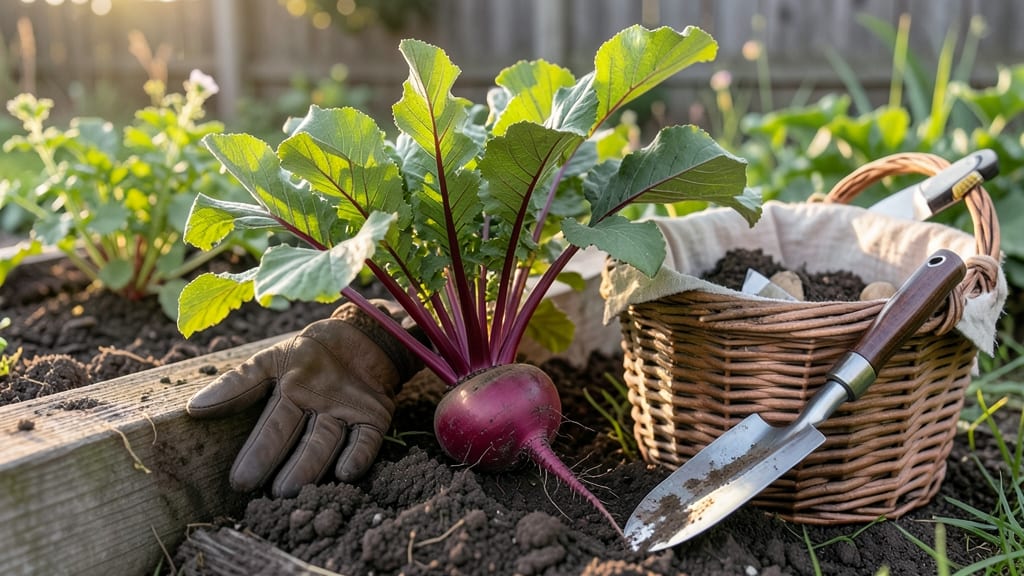
Picking beets from the garden at the right time means the difference between a sweet, tender root and a tough, woody mess—so timing matters more than you think.
Most gardeners assume bigger beets are better, but overripe 🍠 roots lose flavor and texture. The secret? Three simple soil checks that reveal when your beets are perfectly ripe—before they bolt or turn bitter.
In this guide, I’ll show you how to read root size, soil firmness, and color cues to harvest at peak sweetness. No guesswork, just science-backed signals that work in zone 6a and beyond.
By the end, you’ll know exactly when to pull those 1-2 inch beauties for the best flavor—and how to store them to keep that sweetness for weeks.


3 Critical soil checks to determine when to harvest beets
Most gardeners focus on beet leaf size or days after planting when deciding harvest time, but the soil holds the real clues. I’ve learned that three simple soil checks reveal when beets are at their sweetest and most tender—right when their roots reach peak maturity.
These checks help you avoid the common mistakes of harvesting too early (small, watery roots) or too late (woody, bitter beets).
First, let’s tackle the root size indicator, which is the most reliable signal. Beets are ready when their roots reach 1-2 inches in diameter, but you won’t see this until you peek below the soil surface.
Many gardeners overlook this step, assuming beets are ready just because the tops look healthy. The truth? The soil tells the full story.
Here’s how to assess your beets using three critical soil checks in one easy comparison:
| Check Type | What to Look For | Optimal Condition | What It Means for Harvest |
|---|---|---|---|
| Root Size (Finger Test) | Gently brush soil away to expose 1-inch root diameter | 1-2 inches thick with smooth skin | Peak sweetness and tenderness |
| Soil Resistance | Press finger 1 inch into soil around root | Firm but yields slightly (like ripe avocado) | Root fully matured, not woody |
| Color Transition | Check root-to-soil junction | Deep red/purple fading into lighter soil | Root absorbed maximum nutrients |
The finger-pressure test is my favorite trick because it works even in dense soil where roots aren’t visible. Press your finger about 1 inch deep around the beet’s base. If the soil feels firm but slightly yielding—like pressing a ripe avocado—your beet is ready.
This resistance indicates the root has fully developed its structure without becoming tough or fibrous. I’ve found this test especially useful in heavy clay soils where roots might look smaller than they are.
Don’t overlook the color transition at the root-to-soil junction, which reveals how well the beet has absorbed nutrients. When the root’s deep color (red, purple, or gold) gradually fades into the lighter soil, it means the beet has reached its nutrient peak.
This visual cue is particularly important for heirloom varieties, where color intensity directly correlates with sweetness. I once harvested a batch of Chioggia beets too early because I ignored this clue, and they lacked the vibrant rings that make this variety so special.
Pro tip: Combine these checks with the 50-70 day rule for most beet varieties. While soil conditions are your final guide, tracking days from planting helps narrow down the window.
For example, if your beets are planted in early May and you’re in USDA Zone 6a, aim for mid-July harvests. But always let the soil checks confirm readiness—weather variations can shift this timeline by weeks.
One common mistake I see is assuming all beets mature at the same rate. Baby beets (harvested at 1 inch diameter) have different soil signals than full-size beets. For baby beets, the soil will feel looser, and the color transition will be less dramatic.
Always adjust your checks based on the variety you’re growing. This attention to detail ensures you never miss the sweet spot between underripe and overmature.
Finally, time your harvests for cool mornings or overcast days. Beets pulled during peak sun hours can develop stress cracks, and their flavor may suffer. I’ve learned this the hard way—once after a scorching afternoon harvest, my beets tasted bland and watery.
The soil checks work best when applied in these ideal conditions, giving you the most accurate reading of a beet’s true maturity.
Master these three soil checks, and you’ll consistently harvest beets at their peak—sweet, tender, and packed with flavor. The next time you’re tempted to pull a beet based on leaf size alone, take a moment to check the soil. Your taste buds will thank you. 🌱
How to avoid common harvesting mistakes that ruin beets
Overripe beets develop a woody texture and bitter flavor, making them less enjoyable to eat. The key to perfect harvests lies in timing—pulling beets too early means small, underdeveloped roots, while waiting too long ruins their tenderness. Even experienced gardeners often miss the subtle signs that signal peak ripeness.
One of the biggest mistakes is ignoring the root diameter. Beets harvested at 1-2 inches in diameter are ideal for both flavor and texture. Beyond this size, they become tough and fibrous, losing their signature sweetness.
Another common error is harvesting during peak heat, which stresses the plants and can trigger premature bolting.
⚠️ WARNING: Harvesting Mistakes That Ruin Beets
Another critical mistake is overlooking leaf health. Beets with yellowing or wilted leaves may indicate stress, often from dry soil or nutrient deficiencies. Healthy leaves should remain vibrant green and upright, signaling that the plant is thriving and ready for harvest.
To prevent hollow centers, avoid disturbing the soil around beet roots too often. Frequent soil disturbances can cause roots to split or develop uneven shapes. Instead, focus on gentle watering and mulching to maintain even moisture and support steady growth.
Finally, never harvest beets when the soil is waterlogged or too dry. Both conditions stress the plant and can lead to uneven root development. Aim for soil that feels moist but not soggy when you squeeze a handful—this is the perfect environment for sweet, tender beets.
By avoiding these common mistakes, you’ll enjoy beets that are sweet, tender, and full of flavor—ready to be enjoyed fresh or stored for later use. 🍠