
Picking
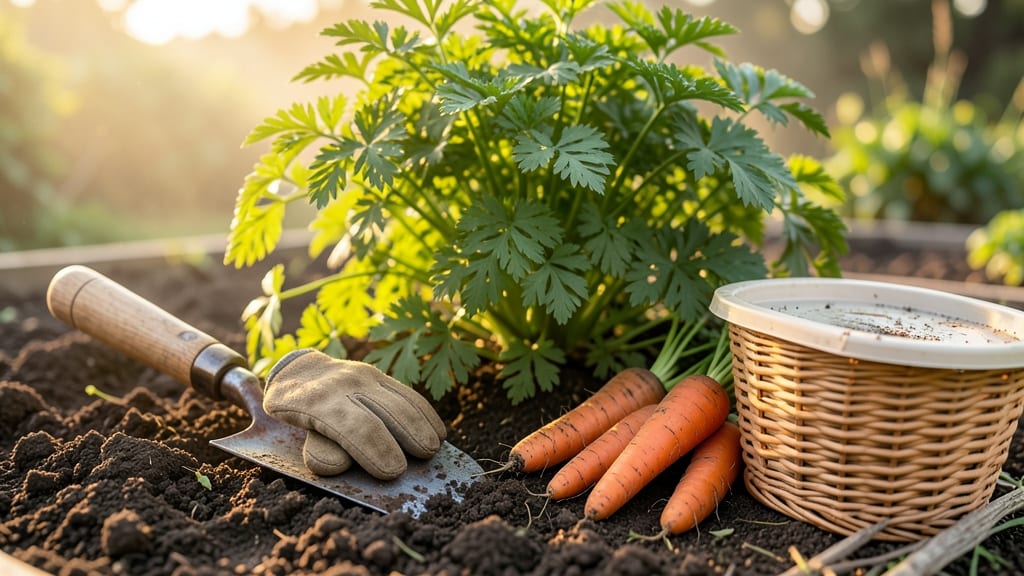
To pick carrots in your garden at the perfect time, watch for soil-based clues like firmness and root size—typically 70 days after planting or when they reach 1-3 inches in diameter.
Harvesting too early means tiny, underdeveloped roots, while waiting too long turns them woody and tough. The key? A gentle tug test—if the carrot slips free with little resistance, it’s ready to pull.
Seasonal timing matters too: in Zone 6a, aim for late June to early July for spring-planted 🥕 or October for fall harvests. Soil temperature below 50°F can slow growth, so adjust expectations based on your climate.
Below, I’ll walk you through the exact soil checks, variety-specific signs, and storage tips to ensure your carrots stay sweet and crisp long after the harvest.


How to check soil for the perfect carrot harvest time
Knowing when to pick carrots isn't just about counting days—it's about reading your soil. Carrots mature best when the roots reach their ideal size and texture, but over-mature roots turn woody and bitter.
The secret? Checking the soil for subtle clues that reveal root development without digging up every plant.
Start by examining the top leaves. When they reach 4-6 inches tall and begin wilting slightly, it’s a sign the roots below are nearing harvest time.
This is your first visual cue that the soil conditions may be perfect for pulling. Pair this with a simple finger test to confirm readiness.
Here’s how to perform the finger test for carrots: Gently push your finger 1-2 inches deep into the soil beside a carrot plant. If you feel firm resistance (not rock-hard), the root is likely mature.
If the soil feels loose or the root moves easily, it’s not ready yet. This method works best in loose, well-drained soil.
The color of exposed roots is another key indicator. When you gently brush away soil near the base of the plant, look for a deep, consistent color (orange, purple, or yellow, depending on the variety).
If the root is pale or unevenly colored, it’s underripe. Overripe carrots may show green or woody patches near the shoulders.
| Sign | What to Look For | Action |
|---|---|---|
| Top Leaves | 4-6 inches tall, wilting slightly | Check soil for firm roots |
| Finger Test | Firm resistance at 1-2 inches deep | Harvest if roots are 1-3 inches wide |
| Root Color | Deep, consistent hue (no green/white) | Pull for peak flavor and texture |
| Stem End | Brown/dried (not green) | Ready for harvest immediately |
Avoid the mistake of harvesting based on days after planting alone. While most carrots take 70 days to mature, soil conditions vary. Cool, wet springs can delay growth, while hot summers may speed it up. Always combine visual and tactile checks for accuracy.
For baby carrots, harvest when roots reach 1-2 inches in diameter. Use the same finger test but aim for a softer resistance. Baby carrots are best pulled when the soil is lightly moist—never waterlogged—to prevent splitting. Overwatering can cause roots to swell unevenly, ruining their shape.
If your carrots are over-mature, they’ll feel woody when squeezed. This happens when roots stay in the soil too long, especially in hard, compacted soil. To prevent this, harvest regularly and loosen soil before planting. A light mulch layer (like straw) keeps roots tender and flavorful.
One final tip: Harvest on a cool, cloudy day to reduce stress on the plant. Pull carrots gently but firmly, using a fork or hands to avoid breaking the roots.
Shake off excess soil and store in a cool, dark place for up to 2 weeks. Proper timing ensures your carrots stay sweet and crisp!
Best carrot harvesting methods by variety and season
Not all carrots are ready at the same time—and picking them too early or late can ruin your harvest. Baby carrots like Paris Market need harvesting in just 50-60 days, while full-sized varieties like Danvers take 70-80 days.
Understanding these differences ensures you enjoy crisp, sweet roots instead of tough, fibrous ones. Seasonal timing also plays a critical role, as cooler temperatures slow growth, while heat can lead to bolting or split roots.
Your climate zone matters too. In cool regions (Zones 3-5), aim for early spring or late summer planting to avoid frost damage. Warmer zones (Zones 6+) can extend harvests into fall, but watch for early frost warnings.
Even the soil temperature affects readiness—roots grow best when soil stays between 60-75°F.
| Variety | Days to Maturity | Best Harvest Time | Seasonal Window | Key Harvest Cues |
|---|---|---|---|---|
| Danvers | 70-80 days | Mid-to-late summer | Spring/fall (Zones 3-7) | 1.5-2" diameter, deep orange, firm texture |
| Nantes | 65-75 days | Early summer | Spring (Zones 4-8) | Smooth, tapered roots, 6-8" long |
| Chantenay | 60-70 days | Late summer | Fall (Zones 5-9) | Short, stout roots, 5-6" long |
| Paris Market (Baby) | 50-60 days | Early summer/fall | Spring/fall (all zones) | 1" diameter, sweet flavor, tender leaves |
| Purple Haze | 70-80 days | Mid-summer | Spring/fall (Zones 4-9) | Deep purple skin, 6-8" long, firm |
For early-season varieties, like Paris Market, I recommend harvesting baby carrots every 2-3 weeks once they reach 1 inch in diameter.
These can be pulled gently by hand or with a small hand fork to avoid damaging neighboring roots. Full-sized varieties, such as Danvers, should wait until they reach 1.5-2 inches in diameter and have deep, consistent color with no green shoulder.
Seasonal shifts can throw off your harvest timing. In hot climates, carrots may bolt prematurely—watch for flower stalks and harvest immediately. In cool regions, extend the season by planting late-summer varieties like Chantenay, which thrive in fall temperatures.
Always check the soil temperature before planting: roots struggle in soil below 50°F or above 85°F.
Pro tip: Use a soil thermometer to track conditions. Ideal harvest windows align with peak soil warmth—typically late spring for early varieties and early fall for late-season types. If your garden experiences unpredictable weather, opt for short-day varieties like Nantes, which mature faster in cooler conditions.
Remember, harvesting too late leads to woody, bitter roots, while picking too early results in small, underdeveloped snacks. Pay attention to leaf growth: when tops reach 4-6 inches and begin wilting, it’s time to dig.
Store harvested carrots in cool, dark conditions (like a root cellar) to preserve freshness for 2-3 weeks.