
Planting
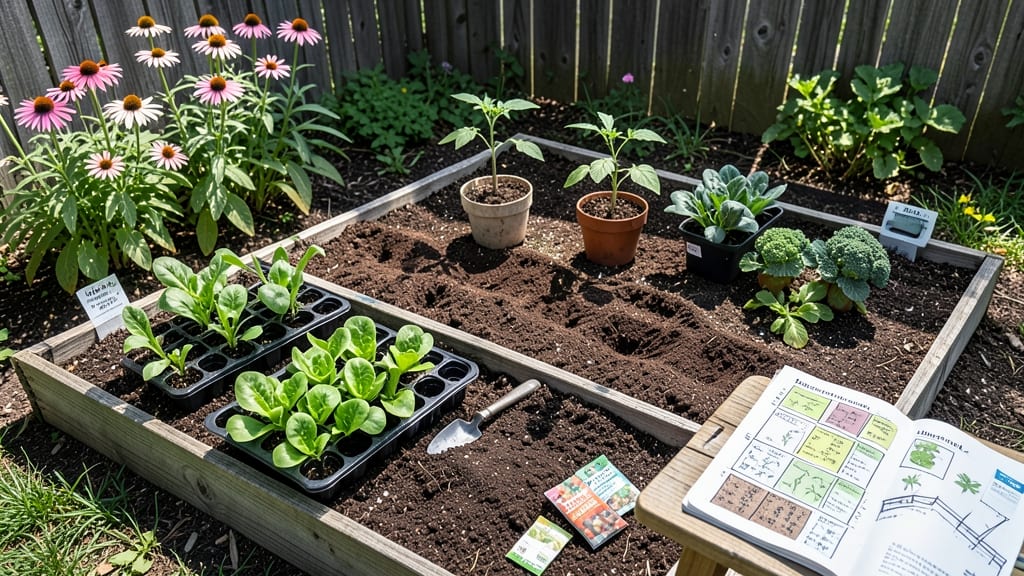
To plant a garden in Washington DC, aim for late March through early April for spring crops and late August for fall planting — timing that aligns with the city’s Zone 8A frost dates and avoids the brutal summer heat.
Timing is everything in gardening—especially in Washington DC’s unique Zone 8A climate, where a single week can mean the difference between thriving plants and failed harvests. Avoid costly mistakes by learning the exact planting windows for vegetables, flowers, and herbs tailored to DC’s spring and fall seasons.
DC’s urban heat islands and river microclimates can shift ideal planting times by 2–4 weeks, so your neighbor’s schedule might not work for you.
Whether you’re in a backyard or a rooftop planter, knowing when to start seeds indoors, transplant seedlings, and sow directly will save you from wilting plants and empty harvests.
In this guide, you’ll discover the precise frost-free windows for cool-season and warm-season crops, how to adjust for DC’s microclimates, and which fast-growing varieties thrive in the city’s short but intense growing seasons.
Washington DC planting calendar: exact dates for spring and fall crops
Washington DC’s Zone 8A climate offers a 180-day growing season, but timing is critical—especially with our variable spring frosts and hot summer humidity.
The average last spring frost occurs around April 15, while the first fall frost typically hits October 31, though urban areas like Capitol Hill can experience frosts 1-2 weeks earlier.
Cool-season crops like kale and spinach thrive when soil temperatures stay below 65°F, while tomatoes and peppers need soil to warm to 60°F+ before planting. Suburban areas like Arlington, VA, often have soil that warms faster than urban concrete-heavy zones, so adjust your schedule accordingly.
Here’s your DC-specific planting calendar for spring and fall crops, including microclimate adjustments for urban vs. suburban gardens:
For spring planting, I recommend starting cool-season crops indoors by February 15 to get a head start. Use row covers for early outdoor plantings to protect against late frosts.
In suburban areas like Alexandria, you can plant 2 weeks earlier than urban DC due to warmer microclimates near the Potomac River.
Fall planting is where DC gardeners really shine. By August 15, the heat subsides enough for cool-season crops to thrive. I’ve had great success with broccoli and carrots planted in early September, especially when using raised beds to improve drainage in our clay-heavy soil.
Urban gardeners should aim for late August to avoid early frosts near heat islands.
Pro tip: Use a soil thermometer to verify conditions—60°F soil is ideal for warm-season crops, but below 55°F can stunt growth. I’ve seen tomato seedlings struggle when planted too early, even if air temps seem warm. Wait for consistent soil warmth before committing to heat-loving plants like peppers.
Don’t forget about succession planting! In DC’s short season, I plant bush beans every 2 weeks from May to July to ensure a steady harvest. For fall crops, try radishes—they mature in just 25 days and are perfect for late-season plantings before the first frost.
If you’re gardening in elevated areas like Takoma Park, expect cooler nights that can delay planting by 1 week. Conversely, low-lying urban areas near the <
How to adjust planting times for Washington DC’s microclimates
Washington DC’s Zone 8A climate might seem straightforward, but hidden microclimates can shift your planting schedule by 2–4 weeks. What works for your neighbor’s garden in Arlington’s suburban shade may fail in Downtown’s urban heat island.
These variations—caused by elevation, wind exposure, and pavement heat—require personalized adjustments to avoid frost damage or stunted growth.
Start by identifying your local microclimate. Areas near the Potomac River or Rock Creek Park stay cooler longer, while concrete-heavy neighborhoods like Navy Yard can be 5–10°F warmer than surrounding areas.
Even a 50-foot elevation change (like between Georgetown and Cleveland Park) can delay frost by 1–2 weeks.
⚠️ WARNING: Microclimates Can Ruin Your Planting Schedule
⚠️ Your Neighbor’s Frost Dates Aren’t Yours
DC’s last spring frost averages April 15, but urban areas like Capitol Hill can see frost as late as May 1. Meanwhile, rural areas near Alexandria may hit 50°F soil temps by March 20. Planting cool-season crops like kale or peas too late in heat islands risks bolting or wilting.
Use a soil thermometer ($10–$15) to confirm 50°F for cool crops or 60°F for warm crops—not just calendar dates. Adjust planting by 1–2 weeks if your area runs hotter or cooler than the average.
For urban heat islands, delay warm-season planting (tomatoes, peppers) by 1–2 weeks to avoid heat stress. My Capitol Hill garden struggled with blossom drop in tomatoes planted in early May—until I shifted to late May after testing soil temps.
Conversely, cool-season crops like spinach or carrots can be sown 2 weeks earlier in shady, elevated areas (e.g., Woodley Park).
Wind exposure also plays a role. Open areas near the National Mall experience higher wind speeds, which can dry out seedlings or stunt growth. Protect tender plants like lettuce or basil with row covers or windbreaks (e.g., bamboo screens).
In sheltered microclimates like Dumbarton Oaks, you might extend fall planting by 3 weeks without frost risk.
Use these 3 quick fixes to customize your schedule:
- Monitor soil temps (not air temps),
- Observe nearby plants (e.g., dogwood blooms signal spring readiness), and
- Test with a small batch of fast-growing crops (like radishes) to gauge your microclimate’s readiness.
My first-year mistake? Planting cucumbers in early June—only to watch them wilt in July’s 95°F heat. Now, I wait until mid-July in urban areas.
Pro tip: DC’s first frost typically hits November 15, but river-adjacent areas (like The Wharf) can delay frost until December 1. Plan fall succession crops (e.g., turnips or kale) accordingly.
By adjusting for your microclimate, you’ll avoid the heartbreak of failed harvests and enjoy a garden that thrives exactly where you live. 🌱