
Planting
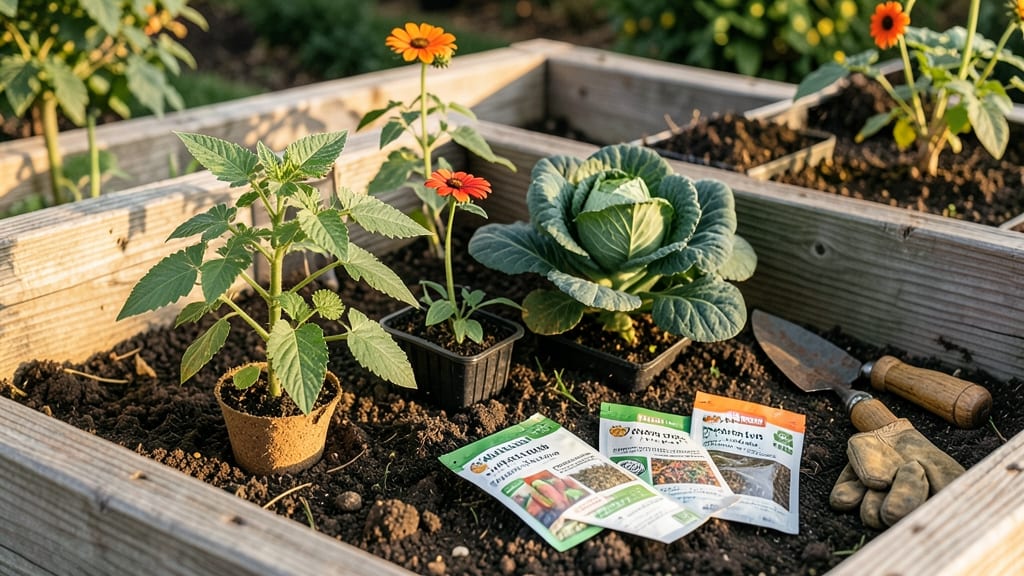
Planting your Arkansas garden at the right time means the difference between a bountiful harvest and a frost-kissed disappointment 🌱 — and the last-frost dates by county are your secret weapon.
Arkansas gardeners know timing is everything: plant too early and frost can wipe out your hard work, but delay too long and you miss peak growing seasons. Mastering the last-frost dates by county is the secret to risk-free planting and a bountiful harvest.
With USDA Zones 7a-8b across the state, the ideal window for cool-season crops like lettuce and spinach opens as early as late February in southern Arkansas, while northern counties wait until early April.
Warm-season lovers like tomatoes and peppers, on the other hand, need to wait until after the last frost — typically mid-March in the south but closer to April in the Ozarks.
Below, I break down the exact planting windows for your region, how to adjust for microclimates, and the 3 biggest mistakes Arkansas gardeners make when timing their plantings — so you can skip the guesswork and get growing.
Arkansas last-frost dates by region: when to plant vegetables, flowers, and herbs
Arkansas spans USDA Zones 6-8, creating dramatic differences in frost timing from the Ozark Mountains to the Delta region. Northern counties like Benton or Washington often see frost until April 15, while southern areas like Chicot or Phillips may be frost-free by March 1.
These variations mean your tomato and pepper planting dates should shift by nearly a month!
Understanding your last-frost dates is critical because cool-season crops like lettuce and spinach need to establish roots before warm weather arrives, while warm-season crops like corn and squash can't tolerate chilly soil.
In Arkansas, the average last frost ranges from March 1-15 in the north to February 15-March 1 in the south.
For warm-season crops like tomatoes, peppers, and squash, wait until soil temperatures reach 60°F+—typically 2-3 weeks after your region's last frost. In northern Arkansas, this means planting tomato seeds indoors by March 1 for transplanting after April 15.
Southern gardeners can direct-sow pepper seeds as early as March 1.
Cool-season crops like broccoli, kale, and
How to adjust planting timing for Arkansas' microclimates and frost risks
Arkansas' diverse geography creates unique frost risks—the Ozark Mountains can experience late frosts well into May, while the Delta region often sees frost-free conditions by March 1st. Understanding these microclimates is key to avoiding frost damage and maximizing your garden's potential.
The solution? A flexible approach that combines local frost data, season extension tools, and cold-hardy plant selections.
First, identify your specific microclimate within Arkansas. The USDA Zone 7a-8a range doesn't tell the whole story—elevation, proximity to water, and urban heat islands all play roles. For example, Mountain View (USDA 7a) might have 100+ frost-free days, while Little Rock (USDA 7b) typically enjoys 210 frost-free days.
Use the Arkansas Climate Office's frost calculator to pinpoint your exact last-frost date.
Input your zip code into tools like the National Weather Service's frost risk map or Almanac's frost calculator to get historical frost data for your exact location. Arkansas' average last frost ranges from March 15 (south) to April 15 (north), but microclimates can shift this by 2-4 weeks.
For high-risk areas (e.g., Ozark Mountains), use floating row covers to plant 4-6 weeks earlier for cool-season crops like spinach or kale. In the Delta region, extend fall harvests by 3-4 weeks using low tunnels to protect broccoli or cabbage from early frosts.
Choose frost-tolerant plants for early spring, such as 'Winterbor' kale (survives 20°F) or 'Early Girl' tomatoes (tolerates 32°F with row covers). In Zone 7a areas, opt for short-season varieties like 'Sugar Snap' peas (matures in 55 days) to avoid frost before harvest.
For first-time planters, I recommend a 3-step risk assessment before planting. First, check your local frost history—ask neighbors or consult Cooperative Extension Service records. Second, adjust your planting window by 2 weeks earlier if you're in a high-elevation microclimate like the Boston Mountains.
Finally, always have row covers or a cloche on hand for unexpected late-spring frosts, which can occur as late as May 10th in northern Arkansas.
Don't forget about soil temperature, which often lags behind air temperature. Use a soil thermometer to ensure warm-season crops like tomatoes or peppers aren't planted until the soil reaches 60°F.
In the Delta region, this typically happens by mid-March, while in the Ozarks, it may not occur until late April. Planting too early in cold soil can stunt growth or invite disease.
Pro tip: Pair your planting schedule with succession planting to maximize your harvest. For example, sow lettuce every 2 weeks from February to August to ensure a continuous supply.
In Zone 7a, your last fall planting for cool-season crops should happen by August 15th to allow enough time for harvest before first frost.
By mastering these microclimate adjustments, you'll turn Arkansas' unpredictable frost patterns into an advantage. Start with one or two high-risk crops, like tomatoes or peppers, and refine your timing each season.
Soon, you'll be harvesting homegrown produce when others in your area are still waiting for the right moment to plant! 🌱