
Planting
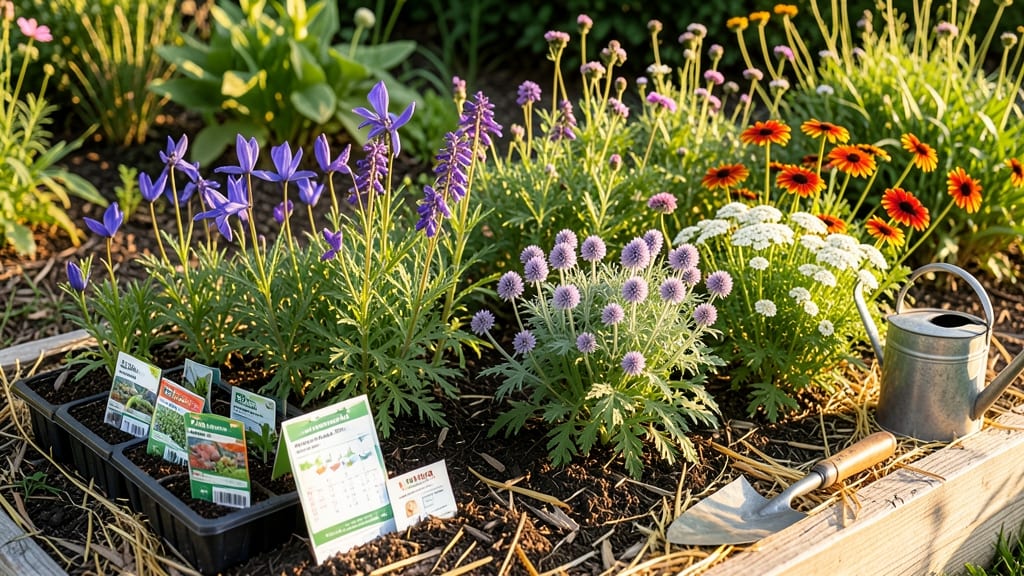
Planting a garden in Colorado depends on your elevation zone, since frost-free dates shift dramatically from the Front Range to the Western Slope.
Picture this: You’ve prepped your soil, ordered seeds, and are ready to plant—only to watch a late frost wipe out your seedlings. That’s why timing matters more here than almost anywhere else.
With USDA zones 5-7 and microclimates that can vary by hundreds of feet, knowing when to plant cool-season crops like spinach (March-April) versus warm-season favorites like tomatoes (after May 15) makes all the difference.
Below, I break down the exact frost-free windows for your area, plus pro tips for extending seasons with row covers and succession planting—so you can avoid those heartbreaking early losses.
Colorado frost-free dates by elevation zone: key planting windows
Colorado’s dramatic elevation shifts—from the Front Range’s urban gardens to the Western Slope’s high deserts and mountain valleys—create wildly different planting windows. At 5,000 feet, your last frost might be April 15, while at 9,000 feet, you’re still dodging frost until June 1.
Understanding these microclimates is key to avoiding frozen tomatoes or bolted lettuce.
Your USDA hardiness zone (typically 5-7 in Colorado) only tells part of the story. The real magic happens when you layer in elevation-specific frost dates.
For example, Denver (5,280 ft) averages its last frost around May 10, but Grand Junction (4,800 ft) can plant warm-season crops by April 1. Meanwhile, Aspen (7,800 ft) gardeners wait until June 15 for peppers.
Here’s how to decode your local planting window using elevation-based frost dates and crop categories. Cool-season crops like spinach and peas thrive when planted 4-6 weeks before your last frost, while tomatoes and cucumbers need the soil warmed by your first frost-free window.
🌱
Use this table as your planting calendar, but remember: microclimates matter. A south-facing slope warms faster than a north-facing yard, and urban heat islands in Denver can push last frosts 2 weeks later than rural areas.
For high-altitude gardens, consider cold-hardy varieties like kale or Swiss chard, which tolerate 20°F temps.
Warm-season crops—think tomatoes, peppers, and corn—demand consistent warmth. In Denver (5,280 ft), wait until May 15 to plant seeds; in Grand Junction (4,800 ft), you can start April 15.
For mountain regions (8,000+ ft), opt for short-season varieties like ‘Early Girl’ tomatoes (55 days) or ‘Black Krim’ (60 days).
Cool-season crops like broccoli, carrots, and spinach thrive when planted 4-6 weeks before your last frost.
In Colorado Springs (6,000 ft), that means March 15 for seeds; in Aspen (7,800 ft), aim for April 1. Succession planting every 2 weeks ensures a steady harvest of leafy greens.
Don’t forget fall planting! Many cool-season crops thrive when sown in late summer for a harvest before first frost
Best vegetables to plant in each Colorado elevation zone
Colorado’s elevation zones create unique gardening challenges—and opportunities! Whether you're gardening in the cool mountain air of 5,000–7,000 ft, the hot desert valleys of 6,000–8,000 ft, or the moderate Front Range at 6,500–8,500 ft, choosing the right vegetables ensures a bountiful harvest.
Each zone has its own microclimate quirks—like shorter growing seasons at higher altitudes and intense sun at lower elevations.
For high-altitude gardens (5,000–7,000 ft), focus on cold-hardy greens and fast-maturing crops that thrive in cooler temps. Meanwhile, lower elevations (6,000–8,000 ft) can handle heat-loving vegetables like okra and sweet potatoes.
The Front Range offers a balance, perfect for classic garden staples like tomatoes and peppers with the right care.
Here’s my breakdown of the best vegetables for each zone, plus pro tips to maximize your yield—no matter where you garden in Colorado.
- 1. High-Altitude (5,000–7,000 ft): Plant kale, spinach, and radishes early (March–April). These cool-season crops tolerate light frosts and mature quickly before summer heat arrives.
- 2. Desert Valleys (6,000–8,000 ft): Opt for okra, sweet potatoes, and black-eyed peas. These heat-tolerant veggies thrive in intense sun and dry conditions, perfect for Colorado’s arid southwest.
- 3. Front Range (6,500–8,500 ft): Grow zucchini, peppers, and green beans after your last frost (mid-May). Use mulch to retain moisture and row covers for early starts.
- 4. Pro Tip: All zones benefit from succession planting. Sow lettuce or carrots every 2 weeks to stretch harvests, especially in shorter high-altitude seasons.
In high-altitude gardens, prioritize fast-growing varieties like bush beans or turnips to beat the short growing season. I’ve had great success with ‘Early Wonder’ peas, which mature in just 55 days—ideal for altitudes above 6,000 ft.
Pair them with potatoes, which thrive in Colorado’s cool soils and store well for winter.
For lower elevations, embrace drought-resistant crops like Swiss chard or amaranth. These plants handle hot afternoons and low rainfall better than traditional veggies. I always add compost to the soil before planting to improve water retention—critical in 6,000–8,000 ft zones where evaporation is high.
On the Front Range, where temperatures fluctuate, I recommend heat-tolerant tomato varieties like ‘Heatmaster’ or ‘Solar Fire’ peppers. These handle 90°F+ days without wilting. Pair them with basil to repel pests naturally—a win-win for urban gardeners with limited space.
No matter your elevation, soil prep is key. Amend clay-heavy mountain soils with sand and compost, while sandy desert soils need extra organic matter to hold moisture. Test your soil’s pH (aim for 6.0–7.0) and adjust with lime or sulfur as needed.