
Tools
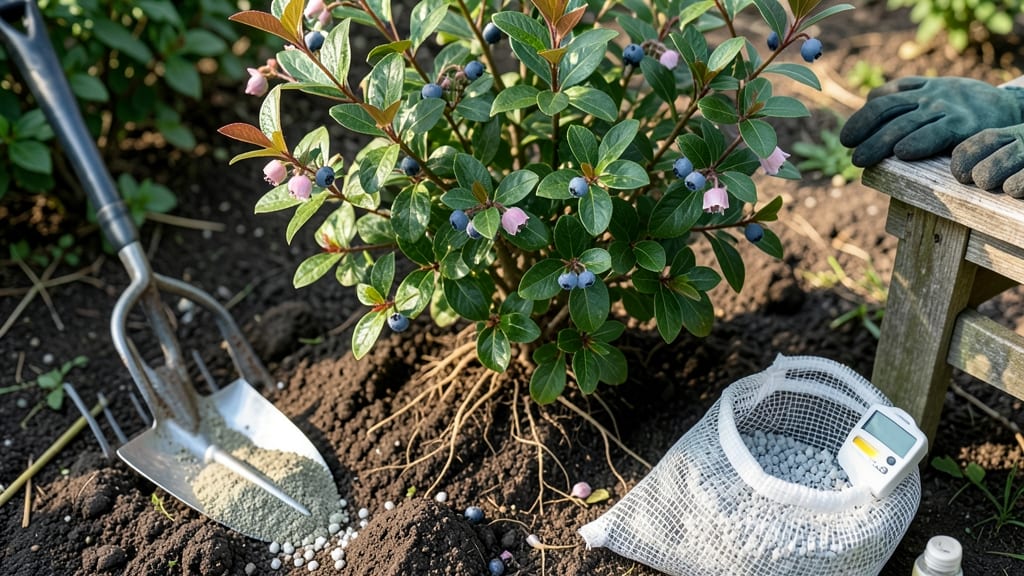
Putting lime in your garden at the right time can turn struggling plants into thriving ones—fall or early spring is when most gardeners get the best results.
Struggling with yellowing leaves or stunted plant growth? Your soil might be too acidic—and the fix could be as simple as adding lime at the right time. But when exactly should you apply lime to create the perfect growing environment for your garden?
Timing matters because lime takes 2 to 3 months to adjust soil pH. That means applying it too late in spring won’t help your summer crops, while adding it in fall gives it time to work before planting season.
For Zone 6a gardens, early spring (March) or late fall (October) are ideal windows.
Below, I’ll walk you through how to test your soil, when to apply lime for different plants, and how to avoid common mistakes that can ruin your garden’s pH balance.
Best times of year to apply lime for optimal soil pH balance
If your blueberries look sad or tomatoes refuse to thrive, your soil might need a pH boost. Lime is the secret weapon to sweeten acidic soil—but timing matters. Applying it at the wrong time can waste money or even harm your plants.
The best windows are early spring or fall, when soil is workable and plants aren't actively growing. This gives lime time to dissolve and adjust pH before the growing season kicks in.
For northern climates, aim for late winter or early spring (February to April) before the first frost. In southern regions, fall (September to November) works best—avoiding summer heat that can speed up lime breakdown.
Climate plays a huge role: colder areas benefit from spring applications, while warmer zones can handle fall adjustments without risking erosion or runoff.
Here’s why these seasons win: Spring lime has months to integrate before planting, while fall applications avoid disturbing roots during active growth. Both timings prevent lime from leaching away before it can do its job. For acid-loving plants like azaleas or rhododendrons, a gradual pH shift is key—so plan ahead!
| Season | Best Time | Why It Works | Climate Notes |
|---|---|---|---|
| Spring | February–April | Lime integrates before planting; avoids summer leaching | Ideal for northern gardens (USDA Zones 3–6) |
| Fall | September–November | Gradual pH shift over winter; no plant disturbance | Best for southern gardens (USDA Zones 7–10) |
| Avoid | Summer | Heat speeds lime breakdown; risk of runoff | Never apply during active growth seasons |
Think about your planting schedule. If you’re prepping beds for spring vegetables like broccoli or cabbage, apply lime in late winter. For fall crops such as kale or carrots, lime in early fall ensures roots access balanced soil.
Pro tip: Test your soil 2–3 months after applying lime to confirm pH changes—this gives it time to fully integrate.
For container gardens, timing is even more critical. Mix lime into potting soil 4–6 weeks before planting, as containers dry out faster and pH shifts happen quicker.
Acid-loving plants like blueberries or gardenia need consistent pH—so monitor containers monthly. Overliming here can turn your soil alkaline overnight, harming sensitive roots.
Don’t forget about organic matter. If you’ve recently added compost, wait 4–6 weeks before testing pH again—compost can temporarily mask lime effects. Pair lime with well-rotted manure or leaf mold for a balanced boost.
This combo improves soil structure while adjusting pH, giving your plants the perfect foundation for growth.
Regional quirks matter too. In Pacific Northwest rainforests, soil stays acidic longer—so apply lime in early spring and retest by summer. Meanwhile, Southeast gardens with clay soil benefit from fall applications, as winter rains help distribute lime evenly. Always check your local USDA hardiness zone for tailored advice.
One common mistake? Applying lime right before planting and expecting instant results. Lime needs time to neutralize acidity—typically 2–3 months. For newly planted trees or shrubs, spread lime in a wide circle beyond the root zone and water it in lightly. This prevents root burn while ensuring even distribution.
For vegetable gardens, focus on early spring for crops like peppers or eggplants, which prefer slightly acidic soil (6.0–6.8). But tomatoes and potatoes thrive at 6.2–6.8, so adjust accordingly.
Use a soil pH test kit to guide your decisions—never guess! A small investment now saves you from struggling plants later.
Remember, lime isn’t a one-time fix. Most gardens need annual top-ups to maintain pH, especially in rainy climates. Keep a garden journal to track when you apply lime and how your plants respond. Over time, you’ll spot patterns—like needing extra lime after heavy rains or compost additions. Happy gardening!
How to test your soil and determine when lime is needed
Before adding lime to your garden, you need to know your soil pH level. Most plants thrive in slightly acidic to neutral soil, with a pH range of 6.0 to 7.0.
If your soil tests below 6.0, it's too acidic, and lime can help raise the pH. But how do you test it accurately? Let's break it down.
You have two main options for testing: DIY pH meters or sending a sample to a professional lab. DIY meters are quick and affordable, but lab tests provide precise results.
For home gardeners, I recommend starting with a digital pH meter or test kit from your local garden center. These tools are easy to use and give you instant feedback.
To collect a soil sample, dig a hole about 6 inches deep and gather soil from multiple spots in your garden. Mix these samples together in a clean bucket, remove any debris, and let it dry slightly.
Moisten the soil with distilled water, insert the meter probe, and wait for the reading. Repeat in 3-5 spots for accuracy.
If your soil tests between 5.5 and 6.0, it's mildly acidic and may benefit from a light application of lime. For readings below 5.5, lime is definitely needed.
However, if your pH is above 7.0, avoid lime entirely—it will make the problem worse. Always aim to adjust soil gradually over time.
When to Put Lime in Garden
- Soil pH < 6.0: Apply lime to raise pH
- pH 6.0–7.0: No lime needed (ideal range)
- pH > 7.0: Avoid lime (soil is alkaline)
- Best timing: Fall (2–3 months before planting) or early spring
- Application rate: 5–10 lbs per 100 sq ft for pH < 5.5
Test soil every 2–3 years to monitor pH changes.
Once you know your soil's pH, calculate the lime application rate using a simple formula. For every 1 point below 6.0, apply 5–10 pounds of lime per 100 square feet. For example, if your pH is 5.0, aim for 10–20 pounds per 100 sq ft.
Spread lime evenly over the soil surface and lightly water it in. Avoid overapplying—too much lime can harm plants and disrupt soil chemistry.
After applying lime, wait 2–3 months before planting. This gives the soil time to adjust. Re-test the pH after this period to ensure you've reached the desired range.
If your garden has acid-loving plants like blueberries or azaleas, aim for a pH of 4.5–5.5—lime may not be needed, and you might need sulfur instead to lower pH.
Remember, soil pH isn't static—it changes over time due to weather, organic matter, and plant growth. Regular testing ensures your garden stays healthy. With the right approach, lime can transform your soil into a thriving environment for your favorite plants. Happy gardening! 🌱