
Vegetables
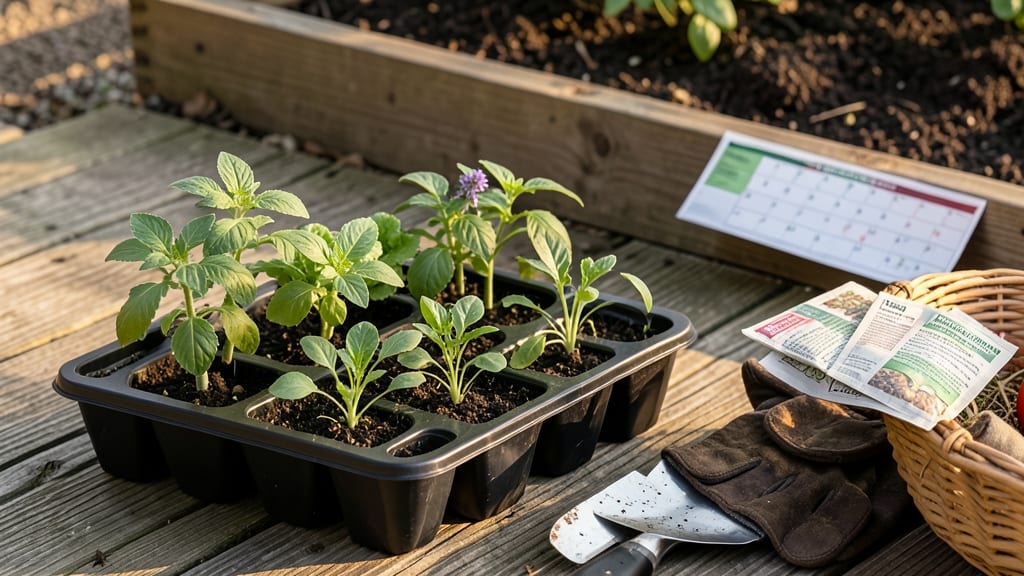
Starting gardening vegetables at the right time means the difference between a bumper crop and a sad, wilted mess—especially when frost is lurking.
Timing your vegetable planting can mean the difference between a thriving harvest and wasted seeds—so knowing when to start gardening vegetables is critical for success, especially when frost threatens tender plants.
In Zone 6a, where last frost typically hits around April 15, cool-season crops like lettuce and peas can go in 4-6 weeks before that date, while warm-season favorites like tomatoes need to wait until soil hits 50°F.
Below, I break down the exact frost-free deadlines by plant type, how to adjust for your microclimate, and the 3 biggest mistakes beginners make when timing their garden.
Frost-free deadlines for planting vegetables by USDA Zone
Understanding your USDA hardiness zone and last frost date is the key to successful vegetable gardening. Cool-season crops like lettuce and broccoli thrive in cooler temperatures, while tomatoes and peppers need warm soil to grow.
Planting too early risks frost damage, while waiting too long may shorten your harvest. Let’s break down the ideal planting windows for each zone to maximize your garden’s potential.
Your frost-free period determines when to start seeds indoors or transplant seedlings. For example, in Zone 5, the last frost typically occurs around May 15, while Zone 10 may have no frost at all.
Cool-season vegetables can handle light frosts, but tender plants like eggplants and cucumbers need warmer conditions. Below, we’ll explore zone-specific deadlines for both spring and fall planting.
Comparison Table for Vegetable Planting Deadlines by USDA Zone:
In Zones 3-4, where winters are harsh, start cool-season vegetables like spinach and kale indoors by early March. Transplant seedlings after the last frost, usually around May 1-15. For warm-season crops, wait until soil temperatures reach at least 60°F (15°C), typically in early June.
In Zone 5-6, you can begin sowing seeds indoors as early as mid-February for a head start.
For Zones 7-8, the growing season extends longer, allowing for multiple plantings. Cool-season crops can be sown in late winter, while warm-season vegetables like peppers and eggplants should wait until mid-April.
In Zones 9-10, where frost is rare or nonexistent, you can plant year-round, but focus on fall crops like broccoli and carrots in late summer for a winter harvest.
Always check your local Almanac’s frost date for precise timing, as microclimates can shift deadlines by weeks. For example, a south-facing slope may warm up faster than a shaded area.
Use row covers to extend the season for tender plants if frost threatens early in the spring or late in the fall.
Pro tip: Plant fast-maturing varieties like bush beans or radishes in early spring for quick harvests before heat sets in. Save slower growers like squash and corn for late spring to avoid bolting or pest issues.
Adjust your planting schedule based on your zone to avoid common mistakes like frost damage or stunted growth.
Don’t forget to plan for fall crops! In most zones, you can sow cool-season vegetables like lettuce and spinach in late summer for a harvest before winter sets in. Use the table above as a guide, but always monitor your garden’s progress and adjust as needed.
With the right timing, you’ll enjoy a bountiful harvest from spring through fall. Happy gardening! 🌱
How to calculate your local frost dates for precise planting
Knowing your local frost dates is the foundation of successful vegetable gardening. A late frost can kill tender seedlings overnight, while planting too early risks stunted growth.
To avoid these pitfalls, I’ll walk you through how to calculate your last spring frost and first fall frost using reliable methods—so you can time your plantings perfectly.
Start by checking your USDA hardiness zone, as frost patterns vary dramatically across regions. For example, Zone 5 might see frost until May 15, while Zone 9 could still have frost risks in December.
But zones alone aren’t enough—you’ll need to dig deeper into historical weather data and local microclimates for precision.
Once you’ve nailed down your frost dates, use them to plan your planting schedule. For example, if your last frost is April 15, start warm-season plants like basil and peppers indoors 6-8 weeks earlier (by February 15) to ensure they’re ready for transplanting.
Don’t forget to monitor soil temperatures—most vegetables need soil to warm to 50°F (10°C) before planting. Use a soil thermometer to confirm readiness, especially in cooler zones. This extra step prevents wasted effort on seeds planted too soon.
By mastering your local frost dates, you’ll avoid the heartbreak of frost-damaged seedlings and maximize your garden’s potential. Happy planting—and may your harvests be bountiful! 🌱