
Tools
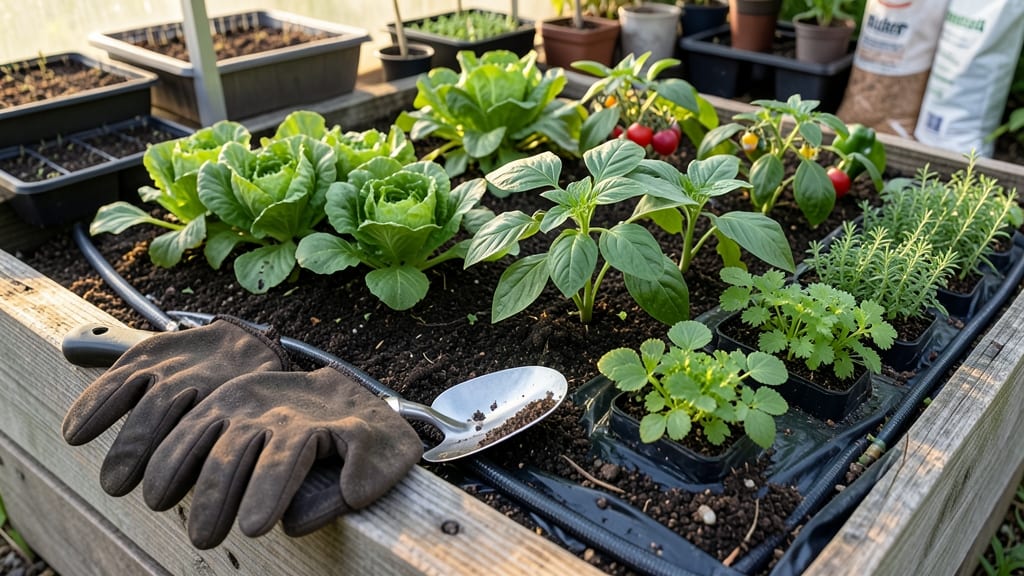
An 8x8 raised garden can turn even the tiniest yard into a productive food oasis—if you avoid the common pitfalls that waste space and stifle growth.
Picture this: a 64-square-foot plot packed with tomatoes, lettuce, and herbs—all thriving because every inch was planned for sunlight, airflow, and companion plants. That’s the difference between a raised bed that looks pretty and one that feeds your family.
In this guide, I’ll walk you through space-saving layouts that maximize yield, the best crops for small spaces, and how to avoid overcrowding mistakes that kill productivity.
You’ll leave knowing exactly how to design an 8x8 raised garden that grows more food in less space than you ever thought possible.
Optimal 8x8 raised garden layouts for high-yield small spaces
An 8x8 raised garden gives you 64 square feet of prime growing space—enough to grow a surprising amount of food if you plan strategically. The key is using square-foot gardening principles to pair compatible plants, utilize vertical space, and rotate crops seasonally.
This approach prevents overcrowding while maximizing your harvest per square foot.
I’ve designed three proven layouts that work for different gardening goals: high-yield vegetables, herbs and greens, and mixed perennial/annual combinations. Each layout includes companion planting pairs and vertical growing zones to make the most of your limited space. Let’s dive into the details!
Why these layouts work: They follow the 12-inch spacing rule for most plants (adjust for larger varieties) and incorporate 3-tier vertical growing (ground level, mid-height, and trellis). This ensures every plant gets the sunlight, airflow, and nutrients it needs without competing for resources.
Here’s a quick comparison of the three layouts to help you choose what fits your goals:
| Layout Type | Primary Focus | Vertical Space Used | Best For | Yield Potential |
|---|---|---|---|---|
| High-Yield Vegetables | Tomatoes, peppers, cucumbers | 3-tier trellises | Food production | 20+ lbs per season |
| Herbs & Greens | Basil, lettuce, spinach | Mid-height shelves | Fresh herbs, salads | 15+ lbs per season |
| Mixed Perennials | Strawberries, thyme, chives | Ground + hanging pots | Low-maintenance yield | 10+ lbs per season |
Layout 1: High-Yield Vegetable Garden focuses on vining plants and heavy producers like tomatoes, cucumbers, and beans. I use 4-foot trellises in the center for vertical growth, leaving the edges for shorter crops like peppers and lettuce. For example, plant 4 tomato plants along the trellis (16" apart) and interplant bush beans at the base—they fix nitrogen while tomatoes thrive.
In the corners, I add squash or zucchini (1 plant per corner) with radishes or lettuce around them. Radishes mature in 30 days, so they won’t compete with the squash for long.
This layout can produce 20+ pounds of food per season if you rotate crops yearly to prevent disease buildup.
Layout 2: Herb & Green Powerhouse prioritizes fast-growing and high-value crops like basil, cilantro, and spinach. I dedicate the north side (which gets partial shade) to leafy greens and the south side to sun-loving herbs. Use hanging pockets or wall-mounted shelves to add 30% more growing space for herbs like thyme and oregano.
For example, place 4 basil plants (12" apart) along the south edge and interplant them with carrots (the carrots break up the basil’s dense foliage). In the center, add spinach and arugula in 6-inch squares, harvesting outer leaves to prolong production.
This layout is perfect for year-round greens if you extend the season with row covers.
Layout 3: Mixed Perennial/Annual Garden combines low-maintenance perennials with high-yield annuals for a long-term harvest. Start with strawberries along the edges (they spread but stay contained in the bed) and add thyme or chives between them. In the center, plant 1-2 asparagus crowns (they take 2 years to establish but produce for decades).
Fill the remaining space with annuals like kale or Swiss chard, which tolerate light shade from the perennials. Use vertical pockets for dwarf fruit trees (like apple or peach) if your climate allows. This layout reduces annual replanting while still delivering 10+ pounds of food per season after establishment.
Regardless of your layout, seasonal rotation is critical. For example, after harvesting heavy feeders like tomatoes in fall, plant garlic or onions (which need less fertilizer) over winter. In spring, return to high-yield crops
Best crops for an 8x8 raised garden by plant category
Choosing the right crops for your 8x8 raised garden depends on balancing height, sunlight needs, and companion benefits. Tall plants like tomatoes and peppers should anchor the back, while leafy greens and herbs thrive in the front. This strategy maximizes yield without overcrowding.
For full-sun lovers, prioritize tomatoes, cucumbers, and basil—they reward you with abundant harvests. Meanwhile, partial-shade crops like lettuce and spinach can stretch into early spring or late fall when sunlight dims.
🌱 Top Crops by Category
-
🌿 Tall Veggies (Back Row)
- Tomatoes (18"–36") – 6+ hrs sun, stake for support
- Peppers (12"–24") – 6+ hrs sun, companion with basil
- Cucumbers (trellised, 6'+) – full sun, train vertically
-
🌱 Mid-Height (Middle Row)
- Bush Beans (18"–24") – 5–6 hrs sun, fix nitrogen
- Carrots (6"–12") – full sun, loose soil required
- Zucchini (12"–24") – 6+ hrs sun, needs space
-
🌱 Short & Spreaders (Front Row)
- Lettuce (6"–12") – partial shade, cut-and-come-again
- Radishes (4"–8") – full sun, fast harvest (30 days)
- Strawberries (6"–12") – 6 hrs sun, mulch heavily
-
🌿 Herbs & Flowers (Edges/Companions)
- Basil (12"–18") – full sun, repels pests
- Marigolds (12"–24") – full sun, deters nematodes
- Nasturtiums (12"–24") – full sun, edible flowers
💡 Pro Tip: Group plants with similar water needs together to simplify care.
Spacing is critical—overcrowding stunts growth and invites disease. For example, tomato plants need 18–24 inches apart, while radishes can squeeze into 2-inch gaps. Use companion planting to boost yields: pair carrots with onions to deter pests or plant basil near tomatoes for flavor and pest control.
Don’t forget seasonal swaps! Replace spring peas with summer bush beans or fall kale to keep your garden productive year-round. Rotate crops annually to prevent soil depletion and pests.
With this strategic layout, your 8x8 raised garden will yield bountiful harvests while keeping maintenance manageable. Happy planting! 🌱