
Fertilization
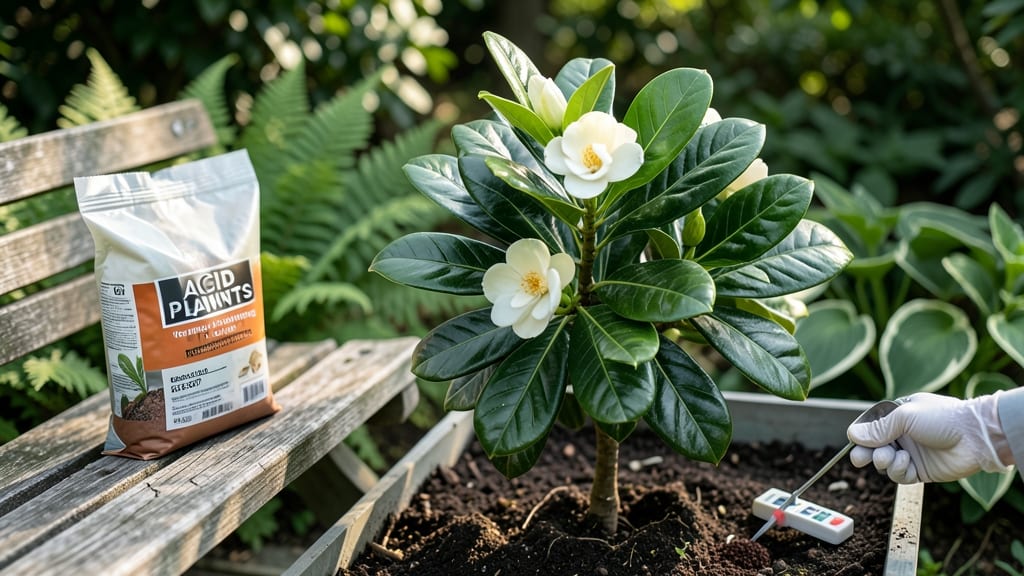
Using acid fertilizer for gardenias is the game-changer between a plant that barely survives and one that bursts with fragrant blooms year after year.
Struggling to keep your gardenias blooming year-round? The secret lies in their soil—gardenias thrive only in acidic conditions, and the right acid fertilizer can transform a struggling plant into a lush, flowering beauty.
Most gardeners overlook soil pH, assuming their gardenias just need more water or sunlight. But without the proper acidity—typically a 5.0 to 6.0 range—your plant can’t absorb nutrients, leading to yellowing leaves, stunted growth, and fewer flowers.
In this guide, I’ll walk you through the best acid fertilizers for gardenias, how to apply them correctly, and how to spot the signs your plant is finally getting the care it needs. Let’s get those gardenias 🌸 thriving!
How acid fertilizer lowers soil pH for optimal gardenia growth
Gardenias are finicky about their soil—too alkaline, and they throw a fit by dropping buds or yellowing leaves. The solution? Acid fertilizer to maintain that perfect pH range of 5.0–6.0. This isn’t just science; it’s the difference between sparse blooms and a fragrant, lush shrub bursting with flowers.
Let’s break down how acid fertilizers work their magic and why your gardenias are practically begging for it.
Acid fertilizers like iron sulfate, elemental sulfur, or peat-based formulas lower soil pH by releasing hydrogen ions (H+) when they break down. Think of it like a slow-release acid bath for your soil—just enough to keep gardenias happy without shocking their roots.
For example, iron sulfate reacts quickly, while sulfur takes weeks to months to adjust pH, making it ideal for long-term soil prep.
Why does pH matter so much? Gardenias are acid-loving plants, and their roots struggle to absorb essential nutrients like iron, manganese, and phosphorus in alkaline soil. A pH above 7 locks these nutrients out, leading to chlorosis (yellowing leaves with green veins) or poor flowering. When pH drops to the ideal range, your gardenias can finally access the nutrients they need to thrive.
Before grabbing any acid fertilizer, test your soil’s current pH. A simple home pH test kit (costing under $10) or a lab test will tell you where you stand. If your soil reads 6.5 or higher, it’s time to acidify.
Aim for gradual adjustments—dropping pH too fast can harm beneficial microbes and root health. For most gardenias, lowering pH by 0.5–1.0 points per year is a safe bet.
Now, let’s talk about the three main types of acid fertilizers and how they stack up for gardenias:
| Fertilizer Type | How It Lowers pH | Best For | Application Rate | Time to Work |
|---|---|---|---|---|
| Iron Sulfate | Releases sulfuric acid when dissolved in water | Quick fixes, container plants | 1–2 tbsp per gallon of water | Days to weeks |
| Elemental Sulfur | Slowly oxidizes to form sulfuric acid | Long-term soil acidification | 1–2 lbs per 100 sq ft | Weeks to months |
| Peat Moss | Naturally acidic (pH 3.5–4.5) | Soil amendments, mulch | Mix 2–3 inches into topsoil | Immediate (but slow release) |
| Citrus-Based Fertilizers | Contains organic acids from citrus | Foliar sprays, organic gardens | 1 tbsp per gallon of water | Weeks |
| Aluminum Sulfate | Dissolves to release aluminum and sulfuric acid | Heavy clay soils | ½–1 lb per 100 sq ft | Weeks |
For most gardeners, elemental sulfur or peat moss are the safest bets. Sulfur is slow and steady, while peat moss doubles as a soil amendment that improves drainage and moisture retention.
If you’re dealing with a container gardenia, iron sulfate dissolved in water is a quick fix—just water it in every 2–3 months. Pro tip: Mix a 1 tbsp of iron sulfate into 1 gallon of water and use it to water your plant at the base.
Here’s how to apply acid fertilizer step-by-step for the best results:
- Test your soil first using a pH kit to avoid over-acidifying.
- Choose your fertilizer based on your gardenia’s needs (e.g., sulfur for long-term, iron sulfate for quick fixes).
- Apply in early spring (March–April) or late summer (August) to support new growth.
- Water thoroughly after application to activate the acidifying process.
- Retest soil pH in 6–8 weeks and adjust as needed.
Watch for signs your gardenia is thriving in acidic soil: glossy dark green leaves, abundant buds, and fragrant white flowers. If you see yellowing leaves with green veins, it’s a classic sign of iron deficiency—common in alkaline soil.
In this case, a chelated iron supplement can give your plant a quick nutrient boost while you work on long-term pH adjustments.
Remember, patience is key. Soil pH changes gradually, especially with organic amendments like sulfur or peat moss. Avoid the temptation to overdo it—too much acid can harm your gardenia’s roots just as much as too little.
With consistent care, your gardenia will reward you with year-round blooms and lush foliage that’s the envy of the neighborhood.
🌸
Top 5 acid fertilizers for gardenias: pros, cons, and application tips
Gardenias demand acidic soil (pH 5.0–6.0) to thrive, and choosing the right acid fertilizer makes all the difference. Not all fertilizers work equally—some deliver fast results, while others provide long-term benefits.
Let’s break down the top 5 acid fertilizers for gardenias, including their nutrient ratios, application tips, and whether they’re best for new transplants or established shrubs.
For gardeners balancing budget and effectiveness, the right choice depends on your plant’s stage. New gardenias need gentle, nutrient-rich formulas, while mature shrubs can handle stronger acidifiers. Below, we’ll compare synthetic, organic, and hybrid options to help you decide which fits your gardening style and goals.
Acid Fertilizer Comparison for Gardenias
Synthetic, fast-acting
Organic, slow-release
Organic, long-term
Mineral-based, strong
DIY, mild acid
If you’re working with new gardenias, Espoma Garden-Tone is my top pick—its balanced 3-1-2 NPK ratio provides essential nutrients without overwhelming young roots. Apply it every 6-8 weeks during the growing season (spring to early fall) to encourage