
Fertilization
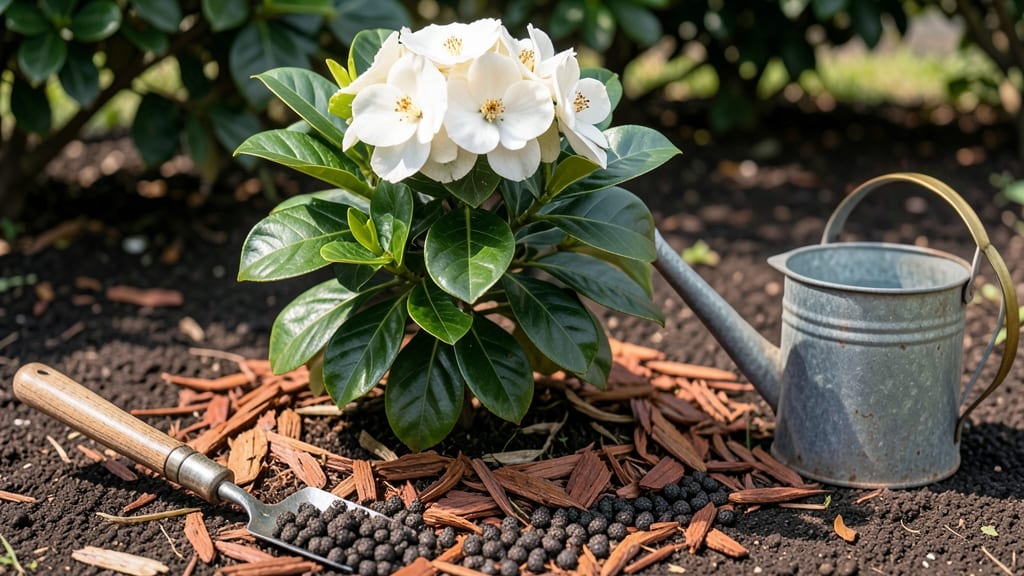
A natural fertilizer for gardenias made from kitchen scraps and compost isn’t just possible—it’s the game-changer your blooms have been waiting for.
Struggling to keep your gardenias blooming beautifully without harsh chemicals? The secret might be hiding in your kitchen and compost bin—eggshells, coffee grounds, and banana peels can transform your gardenia care routine.
These natural fertilizers aren’t just eco-friendly; they also provide the right nutrients gardenias crave, like calcium, nitrogen, and potassium, without the risk of chemical burn or soil imbalance.
Below, I’ll show you exactly how to use these household staples to boost your gardenias’ health, from DIY recipes to application tips that keep your plants thriving all season long.
Top 5 natural fertilizers for gardenias and how they work
Gardenias thrive when their soil is rich in nutrients and slightly acidic, but many gardeners avoid synthetic fertilizers due to their harsh chemicals. The good news? Your kitchen scraps and compost pile can become powerful natural fertilizers that boost bloom production and foliage health.
These five options are easy to source, cost-effective, and packed with benefits tailored to gardenias' needs. Let's explore how each works its magic in your garden.
First, let's talk about eggshells, which might surprise you. When crushed and composted, eggshells provide a slow-release source of calcium and trace minerals that strengthen cell walls and improve nutrient uptake.
Gardenias, which love slightly acidic soil, benefit from this gentle mineral boost without altering pH drastically. Plus, the process of breaking down eggshells introduces beneficial microbes to the soil ecosystem.
Next up are coffee grounds, a favorite among gardeners for acid-loving plants like gardenias. These grounds lower soil pH slightly while adding organic matter that improves soil structure. The nitrogen content also promotes leafy growth, though it's best used in moderation to avoid over-acidifying the soil.
Think of coffee grounds as a dual-action fertilizer that feeds both roots and soil microbes.
Don't toss those banana peels either! They're packed with potassium and phosphorus, two critical nutrients for flowering plants. When composted or steeped in water, banana peels create a nutrient-rich tea that encourages vibrant blooms and robust root development.
This makes them perfect for gardenias that need that extra push to produce their signature fragrant flowers.
For a more comprehensive soil boost, compost tea is an excellent choice. This liquid fertilizer, made by steeping compost in water, delivers a wide range of micronutrients and beneficial microbes.
It improves soil structure, enhances nutrient availability, and helps gardenias resist stress. The best part? You can make it at home with materials you already have in your compost bin.
Finally, fish emulsion provides a balanced dose of nitrogen, phosphorus, and potassium that supports overall plant health. The additional trace minerals and growth hormones in fish emulsion stimulate root growth and flower production. It's particularly effective when applied during the growing season to keep gardenias looking their best.
| Natural Fertilizer | Key Nutrients | Benefits for Gardenias | Application Method |
|---|---|---|---|
| Eggshells | Calcium, Magnesium, Trace Minerals | Strengthens cell walls, improves nutrient uptake | Crush and compost or bury near roots |
| Coffee Grounds | Nitrogen, Organic Matter | Lowers pH slightly, improves soil structure | Mix into top 2 inches of soil (1 cup per plant) |
| Banana Peels | Potassium, Phosphorus | Encourages blooming, supports root growth | Compost or steep in water for tea |
| Compost Tea | Micronutrients, Beneficial Microbes | Improves soil health, enhances nutrient availability | Foliar spray or soil drench (weekly) |
| Fish Emulsion | Nitrogen, Phosphorus, Potassium | Balanced nutrition, stimulates blooms | Dilute and apply to soil (every 4-6 weeks) |
Each of these natural fertilizers works differently but complements gardenias' needs perfectly. Eggshells and coffee grounds are great for soil structure and acidity, while banana peels and fish emulsion provide the nutrients needed for abundant blooms. Compost tea acts as a holistic booster, improving overall soil health and microbial activity.
What makes these options especially appealing is their accessibility. You likely already have some of these materials lying around your home. For example, if you drink coffee daily, you're collecting a free fertilizer that gardenias will love.
Similarly, banana peels and eggshells are kitchen waste that can be repurposed with minimal effort. This makes natural fertilizing not only effective but also sustainable and cost-free.
The key to success with natural fertilizers is consistency. Gardenias respond well to regular, gentle feeding rather than occasional heavy doses. Start by incorporating one or two of these options into your routine and observe how your gardenias respond.
You might be surprised by the difference a few simple changes can make in just a few months. The goal is to create a thriving ecosystem around your gardenias that supports their growth naturally.
Remember, gardenias are particular about their environment, especially when it comes to soil pH. While these natural fertilizers are generally safe, it's wise to monitor your soil's acidity levels.
You can use a simple pH test kit to ensure it stays within the ideal range of 5.0 to 6.5. This small step can make a big difference in how well your gardenias absorb nutrients and produce those coveted fragrant blooms.
Incorporating these natural fertilizers into your gardenia care routine is a rewarding process. Not only will you see improvements in your plants' health and appearance, but you'll also be reducing your environmental impact.
It's a win-win situation that aligns perfectly with sustainable gardening practices. So, roll up your sleeves and start transforming those kitchen scraps into garden gold for your beloved gardenias! 🌸
Step-by-step guide: how to Apply natural fertilizers for maximum blooms
Transforming your gardenias into blooming powerhouses starts with the right natural fertilizers applied at the perfect time. These acid-loving plants thrive when fed with organic matter that mimics their native, nutrient-rich soil. Unlike synthetic fertilizers, natural options improve soil structure while providing slow-release nutrients—ideal for long-lasting blooms and lush foliage.
Before applying any fertilizer, test your soil’s pH level—gardenias prefer acidic soil (pH 5.0-6.5). If your soil is too alkaline, mix in sulfur or pine needles to lower the pH gradually.
Now, let’s dive into the step-by-step process for preparing and applying these natural fertilizers to ensure your gardenias get the nutrients they crave.
Step-by-Step Application Guide for Gardenias
- 1 Prep Your Soil: Loosen the top 6 inches of soil around your gardenia’s base using a fork or trowel. Remove any weeds or debris to create a clean workspace. This step ensures nutrients penetrate the root zone effectively.
-
2
Choose Your Fertilizer: Select one or two natural fertilizers from this list:
- Eggshells: Crush and bury 1 cup per plant for calcium and trace minerals.
- Coffee Grounds: Sprinkle ½ cup around the base (adds acidity and nitrogen).
- Banana Peels: Chop and bury 2-3 peels for potassium (boosts blooms).
- Compost Tea: Brew 1 gallon and water the soil to the dripline.
- Worm Castings: Mix ½ cup into the topsoil for slow-release nutrients.
- 3 Apply in Layers: For granular fertilizers (like eggshells or coffee grounds), spread them evenly over the soil surface within the dripline (the area where water drips from the leaves). For liquid fertilizers (like compost tea), water the soil until it’s thoroughly moistened.
- 4 Mulch to Lock In Nutrients: Add a 2-inch layer of organic mulch (like pine straw or shredded leaves) around the base. Keep mulch 2 inches away from the trunk to prevent rot. Mulching retains moisture and regulates soil temperature.
- 5 Water Deeply: After applying fertilizer, water the soil to a depth of 6-8 inches. This activates the nutrients and helps them reach the roots. Water in the early morning to reduce evaporation and fungal risks.
- 6 Seasonal Timing: Apply fertilizers every 4-6 weeks during the growing season (April-October). Skip fertilizing in winter (November-March) when the plant is dormant. For maximum blooms, start feeding in early spring and again in mid-summer.
- 7 Monitor and Adjust: Watch for signs of over-fertilizing, like yellow leaves or leaf burn. If you notice these, flush the soil with water and reduce future applications. Healthy gardenias should show vibrant green leaves and abundant blooms within 4-6 weeks.
Consistency is key when using natural fertilizers for gardenias. While these methods are gentle on your plants, they require patience—expect to see the most dramatic improvements in bloom quantity and fragrance after 3-4 months of regular feeding.
Pair this routine with proper watering and partial shade, and your gardenias will reward you with show-stopping flowers all season long.
Pro tip: Keep a garden journal to track which fertilizers yield the best results for your specific gardenia variety. Some plants may respond better to banana peels for blooms, while others thrive with coffee grounds for acidity. Adjust your approach based