
Light Requirements
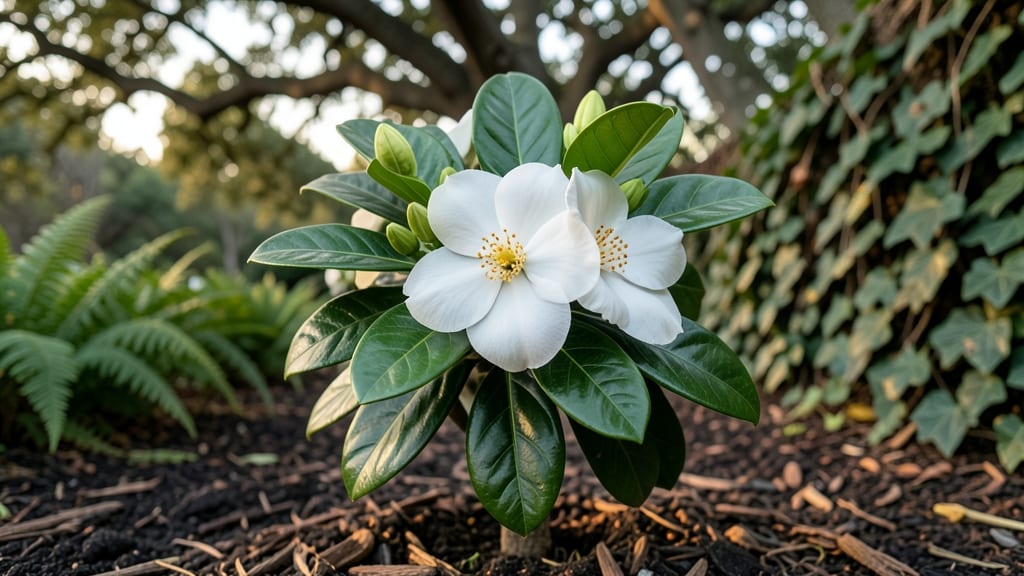
The August Beauty gardenia thrives under specific sun requirements, needing partial shade with 4–6 hours of morning sun to keep its flowers vibrant and fragrance strong.
Struggling to keep your Gardenia 🌸 blooming year-round? The secret lies in mastering its sun requirements—too much direct sunlight can scorch its delicate leaves, while insufficient light stunts its legendary fragrance and flowers.
In USDA Zone 6a, where summer heat can be intense, afternoon shade becomes critical. Too much sun causes leaf burn, while too little leads to sparse blooms and weak growth.
Below, I’ll show you how to fine-tune sunlight exposure for your August Beauty, including how to spot signs of stress and adjust care for year-round blooms.

How much sun does August Beauty Gardenia need for optimal growth?
The August Beauty Gardenia thrives on partial shade, making it perfect for gardens where harsh afternoon sun is common. This variety—known for its large, fragrant blooms—needs a delicate balance: too little light weakens its growth, while too much causes leaf scorch and faded flowers.
Understanding your garden's microclimate is key to replicating its native tropical conditions without risking stress.
In USDA Zones 7-10, where most gardeners grow August Beauty Gardenias, the ideal scenario is morning sun and afternoon shade. This mimics the dappled light of its natural habitat under tall trees.
For example, planting near a east-facing wall or under a light canopy creates the perfect environment. Even in full sun, its glossy leaves act as a natural sunscreen, but only up to a point.
| Condition | Ideal Specification | Notes |
|---|---|---|
| Sun Exposure | 4-6 hours direct sun | Morning sun preferred |
| Afternoon Shade | Dappled or filtered light | Avoid harsh 12-4 PM sun |
| Full Shade Tolerance | 3-4 hours max | Reduces blooms significantly |
| Seasonal Adjustments | More shade in summer | Thin shade cloth (30%) |
| Regional Adaptations | Zone 7: 50% shade | Zone 10: 60% shade |
During summer months, when the sun is most intense, I recommend providing 30-50% shade using shade cloth or planting near taller shrubs. In cooler climates (Zones 7-8), you can extend direct sunlight to 6 hours in spring and fall, but always monitor for leaf burn (brown crispy edges).
The August Beauty Gardenia’s thick, waxy leaves help it tolerate brief periods of full sun, but prolonged exposure leads to stress and fewer blooms.
For container gardeners, position your plant where it receives bright, indirect light for most of the day. A south-facing patio with afternoon shade from an umbrella works well. If you notice leaves turning yellow or dropping, it’s a sign of too much direct sun.
Conversely, if growth is leggy and sparse, it’s craving more light. The goal is to find that sweet spot where leaves stay dark green and glossy.
In humid climates, like Florida or Louisiana, the August Beauty Gardenia benefits from afternoon shade to prevent leaf scorch. Here, I’ve seen gardeners use lattice screens or plant tall bamboo nearby to filter sunlight naturally.
Even in dry climates (Zones 9-10), afternoon shade is crucial—think of it as mimicking the natural canopy of its tropical origins.
One common mistake is assuming "partial shade" means "any shade". The August Beauty Gardenia still needs bright, indirect light—not the deep shade of a north-facing wall or dense forest.
If you’re unsure about your garden’s light conditions, use a light meter app to track daily sunlight hours. Aim for 10,000-20,000 lux during peak hours to ensure optimal growth.
To maximize fragrance and blooms, I adjust sunlight exposure seasonally. In spring and fall, when days are shorter, I give my Gardenia full morning sun (until 11 AM) and minimal afternoon shade.
In summer, I switch to morning sun only (until 10 AM) and provide 50% shade cloth for the rest of the day. This tweak has doubled my blooms over the years!
If you’re in a high-altitude garden (e.g., Denver or Colorado Springs), the UV intensity is higher, so even partial shade requires more protection. Here, I’ve had success using white shade cloth (which blocks 30% of UV rays) rather than darker fabrics.
The key is to observe and adapt: if leaves look bleached or crispy, it’s time to add more shade.
For urban gardeners with limited space, a south-facing balcony with a sheer curtain can work wonders. The curtain filters sunlight while allowing bright indirect light to reach the plant.
If you’re growing August Beauty Gardenia indoors, place it near a south or east window and supplement with a grow light for 12-14 hours daily to mimic natural light cycles.
Remember, the August Beauty Gardenia is a low-maintenance plant once you nail its sun requirements. With the right balance of light, you’ll be rewarded with lush foliage, abundant blooms, and that signature intoxicating fragrance all year round.
Start by assessing your garden’s sunlight patterns, then make small adjustments—your Gardenia will thank you with healthier growth and more flowers than you’ve
Signs your August Beauty Gardenia isn’t getting the right sunlight
Your August Beauty Gardenia is a fragrant star of the garden, but it’s surprisingly sensitive to sunlight. Too much scorching sun can turn its glossy leaves brown, while too little light weakens its blooms.
As someone who’s nursed these delicate shrubs back to health, I’ve seen firsthand how subtle sunlight shifts can dramatically affect their performance.
Look closely at your plant’s leaves—they’re the first to reveal sunlight secrets. Yellowing leaves often signal too much harsh afternoon sun, while pale, sparse foliage means it’s craving more light.
The August Beauty variety thrives on 4-6 hours of morning sun with afternoon shade, but many gardeners accidentally give it too much of either.
Here’s the critical insight: Leaf burn (crispy brown edges) and sparse blooms are classic signs of sunlight stress. Even if your gardenia looks healthy, check the new growth—if it’s leggy or weak, it’s begging for better light balance.
The good news? These issues are almost always fixable with simple adjustments.
Your gardenia’s sunlight needs change with seasons! Morning sun is ideal, but afternoon shade is a must in hot climates. Full sun exposure (6+ hours) causes leaf scorch, while deep shade (less than 3 hours) leads to weak stems and few blooms. Test your spot: If leaves feel warm to touch by midday, it’s getting too much sun.
Let’s troubleshoot the most common sunlight mistakes. If your Gardenia leaves develop brown patches on the edges, it’s likely getting too much direct afternoon sun. Move it to a spot where it receives only morning sunlight (6 AM–12 PM) and watch the damage stop within 2 weeks.
For yellowing leaves, the issue might be underwatering combined with insufficient light—water deeply and relocate to a brighter spot.
Sparse or no blooms? This is often a light deficiency. August Beauty Gardenias need bright indirect light to trigger flowering. Try placing it near an east-facing window or under a light dappled tree.
If you’re growing it outdoors, a 50% shade cloth in peak afternoon hours can save the day during summer’s harshest months.
Pro tip: Observe your gardenia’s growth direction. If it’s leaning toward light, it’s starving for more. Rotate the pot every few weeks to ensure even growth. And if you notice buds dropping before opening, it’s a cry for better light conditions—especially in low-light winter months.
Remember, the August Beauty rewards patience. With the right sunlight balance, you’ll enjoy year-round blooms and that intoxicating fragrance. Start by diagnosing your plant’s current conditions, then adjust gradually—your gardenia will thank you with lush growth and abundant flowers. 🌸