
Container Gardens
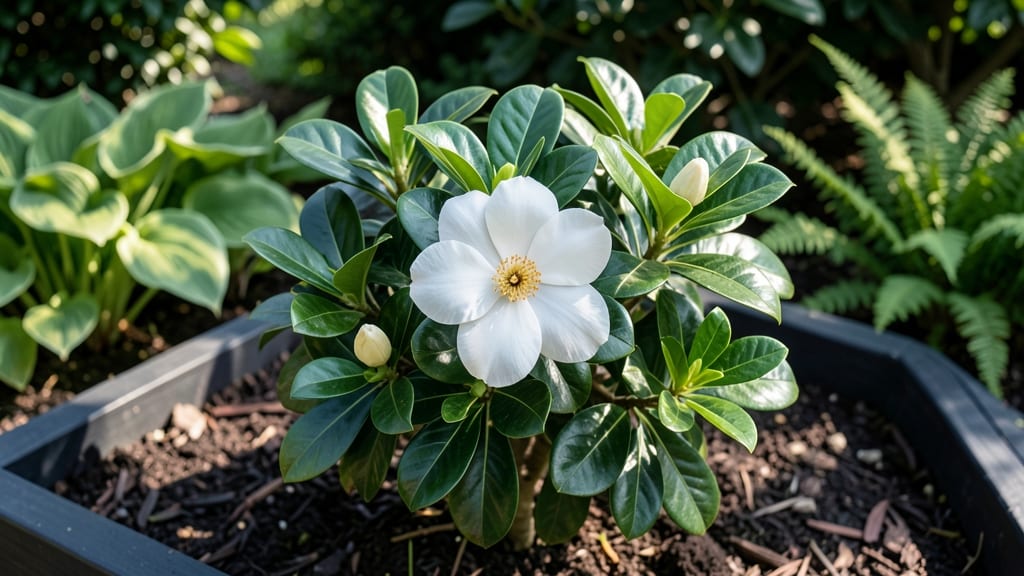
Growing gardenias in the right zone ensures those intoxicating blooms 🌸 thrive year-round—think zones 7 through 10 for the best results.
Struggling to grow fragrant gardenias that thrive year after year? The secret lies in planting them at the perfect time for your USDA zone—miss the window, and you risk weak blooms or stunted growth.
These tropical beauties love humidity and warmth, making them perfect for coastal areas like Florida or California but tricky in colder climates. Even in marginal zones, a few smart tricks—like containers or microclimates—can keep them happy.
Below, I’ll break down the exact planting timelines by zone, soil prep tips, and how to extend their range if you’re outside their natural comfort zone.
USDA growing zones for gardenias: where and when to plant
If you dream of fragrant gardenia blooms filling your garden, your USDA zone is the first factor to consider. These tropical beauties thrive in zones 7–11, but their success depends on precise timing and climate adaptation.
In zone 8+, gardenias flourish year-round, while gardeners in zones 7–8 must time planting carefully to avoid frost damage. Coastal areas with mild winters (like zone 9b) offer the best conditions, but even hot, humid climates in zones 10–11 require adjustments to prevent heat stress.
Gardenias are frost-sensitive shrubs that demand warmth, humidity, and acidic soil (pH 5.0–6.5). Planting too early in zone 7 risks frost damage, while zone 11 gardeners must shield plants from scorching afternoon sun.
Understanding your zone’s last frost date and microclimate is key—coastal zone 9 may allow year-round planting, while inland zone 8 needs protective measures. Let’s break down the ideal zones, planting windows, and regional adaptations to ensure your gardenias thrive.
🌱 Key Takeaway: Gardenias prefer zones 8–10 for optimal growth, but with the right care, they can succeed in zones 7 and 11 too. Coastal areas (e.g., Florida, California) offer the best conditions, while inland gardeners must use containers or mulch for protection.
In zone 7, where late frosts are common, timing is critical. Plant gardenias in late spring (May–June) after the last frost date to give roots time to establish before winter.
Use containers for flexibility—move pots indoors or to a garage if frost threatens. Inland zone 7 gardeners should also choose sheltered microclimates, like near a south-facing wall, to trap heat.
Zone 8 offers a longer growing season, allowing planting in early spring (March–April) or early fall (September–October). This zone’s mild winters mean gardenias can often stay outdoors year-round, but a thick mulch layer (4–6 inches) insulates roots during occasional cold snaps. Coastal zone 8 areas (e.g., Charleston, SC) benefit from ocean breezes that moderate
Gardenia planting timelines by USDA zone: month-by-month guide
Timing is everything when planting gardenias, especially since they’re sensitive to frost and heat stress. In USDA zones 7–11, the best planting window varies dramatically—from early spring in cooler zones to late fall in tropical climates.
Get it wrong, and you’ll end up with weak roots or burned foliage. Let’s break down the exact months for each zone, including soil prep and post-planting care to ensure your gardenias thrive.
For zones 7–8, frost is the biggest threat, while zones 10–11 face heat stress and drought risks. Even in ideal zones, soil pH (aim for 5.0–6.5) and well-draining soil are non-negotiable.
Below, I’ll walk you through the month-by-month timeline for each zone, so you can plant with confidence and avoid common pitfalls.
- 1 Zones 7–8: Plant in early spring (March–April) after the last frost date. Avoid fall planting—gardenias won’t establish roots before winter.
- 2 Zones 9–10: Ideal planting window is fall (September–October) or early spring (February–March). Fall planting lets roots establish before summer heat.
- 3 Zone 11: Plant year-round in frost-free areas, but avoid extreme summer heat (June–August). Water deeply 2–3x weekly to prevent root stress.
- 4 Soil Prep (All Zones): Amend soil with peat moss or pine bark to lower pH. Mix in compost for nutrients. Test pH—gardenias hate alkaline soil.
- 5 Post-Planting Care: Mulch with pine straw to retain moisture and acidify soil. Water deeply 2–3x weekly for the first month. Avoid wetting leaves to prevent fungal diseases.
In zones 7–8, the last frost date is your deadline. Plant 4–6 weeks before to give roots time to establish before winter. For example, if your last frost is April 15, aim for a March 1 planting.
Use row covers or move potted gardenias indoors if frost threatens after planting. In zone 8, coastal areas may have milder winters—check local microclimates for adjustments.
For zones 9–10, fall planting is ideal because summer heat can stress young roots. If you plant in spring, do so before May to avoid heat shock.
In zone 10, where summers are intense, plant in late fall (October–November) to let roots settle before the dry season. Always water deeply after transplanting—gardenias hate dry soil but also waterlogged roots.
In zone 11, where frost is rare, you can plant anytime, but avoid peak summer (June–August). The humidity and heat can cause leaf scorch or root rot. Instead, plant in spring (February–March) or fall (September–October).
Use drip irrigation to keep soil consistently moist without overwatering. If you live in a dry coastal area, like parts of Southern California, group gardenias with other moisture-loving plants to create a microclimate.
No matter your zone, mulching is a game-changer. Apply a 3-inch layer of pine straw or wood chips around the base to retain moisture, regulate soil temperature, and slowly acidify the soil.
Replenish mulch every 6 months to keep it effective. For potted gardenias, use acidic potting mix and terracotta pots (they dry out faster, preventing root rot).