
Planting
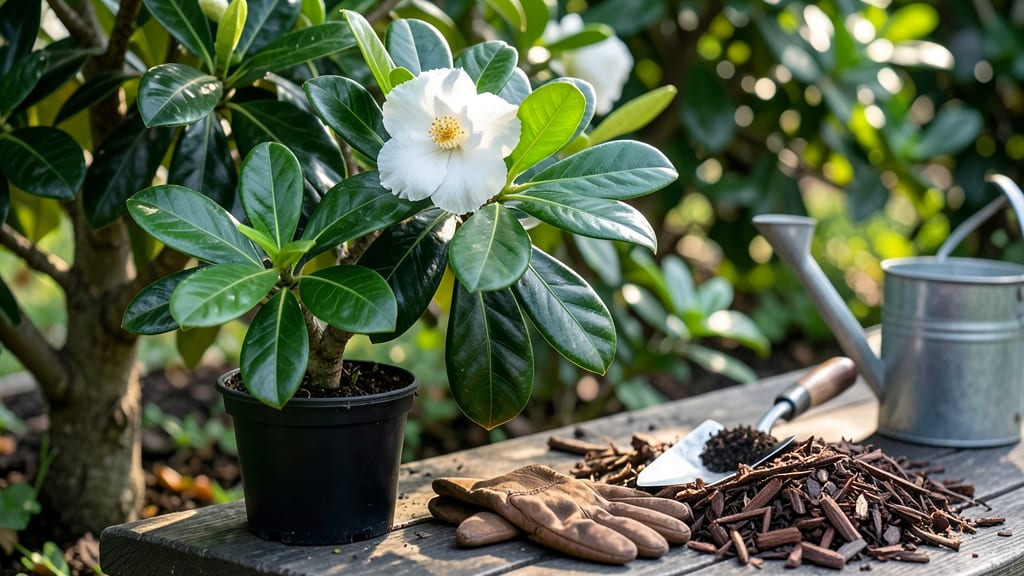
Planting gardenias at the right time ensures those fragrant blooms 🌸 appear reliably year after year, especially in warm climates like USDA Zone 9b.
Gardenias are the crown jewels of Southern gardens, but planting them at the wrong time can mean months of disappointment waiting for those intoxicating blooms. Timing isn’t just about seasons—it’s about heat zones, soil warmth, and avoiding brutal summer heatwaves that can shock young plants.
In cooler zones like Zone 7, you’ll want to plant in late winter to early spring (February–March) when soil temperatures are just right for root growth. But in Zone 9b, where frost is rare, you’ve got more flexibility—just avoid the peak summer heat.
Below, I’ll break down the exact months for your zone, soil prep secrets to keep roots happy, and how to care for them so they reward you with blooms all season long.

Optimal planting months by USDA hardiness Zones for year-round blooms
Gardenias thrive in USDA Zones 7-11, but their planting windows vary dramatically depending on your climate. In Zone 7, you’ll want to plant in early spring (March) to avoid late frosts, while Zones 8-11 can handle fall planting (October-November) for winter blooms.
The key is timing soil temperatures to 60-70°F for root establishment—too early, and roots struggle; too late, and summer heat stresses young plants.
For Zone 7 gardeners, spring planting is non-negotiable. The last frost typically hits around March 15, so aim to get gardenias in the ground 4-6 weeks before summer heat peaks.
In Zones 8-11, fall planting works because mild winters let roots establish without frost risk. Zone 10-11 gardeners can even plant in late summer (August) for blooms by winter.
Soil temperature is your best guide. Use a soil thermometer to confirm 60°F+ at 6 inches deep before planting.
In Zone 7, this usually aligns with late April, while Zones 9-11 can plant as late as June—just mulch heavily to retain moisture. Heat-tolerant varieties like 'Kleim’s Hardy' handle Zone 10+ summers better than traditional types.
🌱 Comparison Table: Best Planting Windows by USDA Zone
| USDA Zone | Best Planting Window | Soil Temp Requirement | Heat-Tolerant Varieties | Key Consideration |
|---|---|---|---|---|
| 7 | March-April (spring only) | 60-65°F | 'Radicans' | Avoid late frosts (March 15+) |
| 8 | March-April OR October-November | 60-70°F | 'Kleim’s Hardy' | Fall planting for winter blooms |
| 9 | February-March OR September-October | 65-75°F | 'Veitchii' | Stagger plantings for year-round blooms |
| 10-11 | January-February OR August-September | 70-80°F | 'Fortuniana' | Plant in shade to prevent heat stress |
Zone 8+ gardeners have a unique advantage: they can plant gardenias in both spring and fall. For spring blooms, plant in March; for winter blooms, plant in October.
This staggered approach ensures flowers year-round. In Zones 10-11, August planting lets roots establish before monsoon season, while January planting avoids summer heatwaves.
Heat-tolerant varieties like 'Kleim’s Hardy' and 'Veitchii' are game-changers for Zones 9-11. These cultivars handle 90°F+ soil temps without wilting, making them ideal for late summer plantings. Pair them with 3-4 inches of mulch to lock in moisture and protect roots from afternoon sun.
In Zone 7, stick to spring-only planting and choose 'Radicans' for its cold tolerance.
One common mistake is planting gardenias when soil temps exceed 80°F. Young roots burn out in extreme heat, leading to transplant shock. Instead, wait for morning soil temps to drop below 75°F before planting in Zones 9-11.
For Zone 7, rush planting in late April can also backfire if nights stay chilly—aim for consistent 60°F+ days.
Pro tip: Soak roots in water + rooting hormone for 1 hour before planting to reduce shock. This is especially critical in Zone 8-11, where summer humidity can cause fungal issues.
After planting, water deeply (1-2 gallons) and shade plants with burlap for 1-2 weeks to ease the transition. Mulch with pine needles to lower soil pH naturally—gardenias hate alkaline soil!
In Zones 10-11, fall planting (August-September) lets gardenias bloom by winter holidays. Choose dwarf varieties like 'Prosperity'
Southern-specific tips to extend gardenia blooming seasons
In the humid heat of the South, gardenias can bloom year-round with the right strategies. The key is staggered planting and heat-resistant varieties like 'Kleim’s Hardy,' which thrives in USDA Zones 7-10.
Unlike traditional gardenias, this cultivar tolerates summer heatwaves without entering dormancy, giving you blooms from spring through fall.
For extended blooming, I recommend planting 3 batches spaced 4-6 weeks apart. Start with the first batch in late winter (February), the second in early spring (March), and the final batch in late spring (April).
This creates a continuous bloom cycle as older plants finish flowering and new ones take over.
-
Best Time to Plant Gardenia
- Late Winter (Feb): For early spring blooms
- Early Spring (Mar): Peak bloom season
- Late Spring (Apr): Extend blooms into summer
-
Heat-Resistant Varieties
- 'Kleim’s Hardy': Blooms in summer heat
- 'Radicans': Compact, drought-tolerant
- 'Veitchii': Fragrant, heat-resistant
-
Mulching Techniques
- Use 3-4 inches of pine bark mulch
- Retains 60% more moisture in summer
- Keeps roots 5-10°F cooler
-
Pruning Schedule
- Light prune after first bloom wave
- Avoid heavy cuts in summer heat
- Shape in early spring before new growth
Mulching is non-negotiable in Southern climates. I use pine bark mulch because it slowly releases nutrients while keeping roots cool. Apply a 3-4 inch layer around the base, but avoid piling it against the trunk to prevent rot. This method reduces watering needs by 40-50% during peak summer months.
Pruning is another critical factor. I prune my gardenias lightly after each bloom cycle to encourage new growth. Never cut back more than 1/3 of the plant at once, especially in summer. Heavy pruning stresses the plant and can trigger summer dormancy, halting blooms for months.
For post-planting care, I follow a simple checklist: test soil pH (5.0-6.5 is ideal), water deeply 2-3 times per week in summer, and fertilize with acid-loving plant food every 6-8 weeks.
In humid climates, watch for powdery mildew—spray with neem oil if you see white spots on leaves.
With these strategies, my gardenias bloom from March through October, filling my yard with fragrance. The secret is consistency—staggered planting, proper mulching, and gentle pruning keep them thriving in Southern heat. 🌸