
Pruning
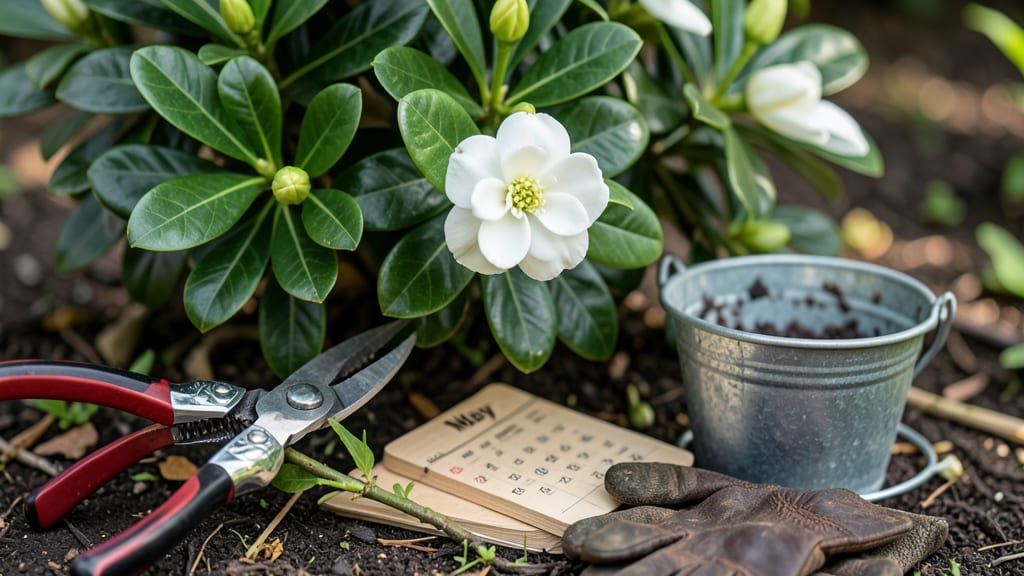
To trim gardenias for maximum spring blooms, late winter is the best time—just as buds begin to swell but before new growth starts.
Struggling to get your gardenias to bloom beautifully every spring? The secret lies in timing—pruning at the wrong season can weaken growth or even kill your plant. Discover the exact late-winter window and pruning techniques that transform dormant gardenias into vibrant, flower-filled shrubs.
Most gardeners wait until spring, but that’s too late. Pruning too early in winter risks frost damage, while waiting until summer cuts back blooms. The ideal window is February to early March in USDA Zone 6a, when the plant is still dormant but new growth is about to begin.
In this guide, I’ll walk you through the step-by-step process, including how to identify dead wood, the right tools to use, and post-pruning care to ensure your gardenias 🌸 thrive and burst into fragrant blooms next season.
Late winter pruning timeline: when and why to trim gardenias for maximum blooms
Timing is everything when pruning gardenias. Unlike many shrubs, gardenias bloom on new wood, meaning late winter pruning stimulates fresh growth that produces abundant spring flowers.
Pruning at the wrong time—like summer or fall—can leave your plant struggling to recover before winter, resulting in fewer blooms or even plant stress.
The key is to prune just as dormancy ends, when the plant is ready to burst into growth but hasn’t yet started actively pushing new leaves.
Late winter is the sweet spot because it removes winter-damaged branches while allowing enough time for new growth to harden off before summer heat arrives.
For USDA zones 7-10, this typically falls between late January and early March, but the exact timing depends on your local climate and frost patterns.
In milder zones (like zone 10), you might prune as early as December, while cooler zones (like zone 7) may wait until March.
| Zone & Climate | Best Pruning Window | Key Temperature Cue | Avoid Pruning If... |
|---|---|---|---|
| Zone 7 (Cooler) | Late February–Early March | Daytime temps consistently above 45°F | Frost is forecasted within 2 weeks |
| Zone 8 (Mild) | Mid-January–Late February | Nighttime temps above 50°F for 3+ days | New growth has already started |
| Zone 9-10 (Warm) | December–Early January | Soil temps reach 55°F | Rainy season begins (fungal risk) |
The science behind late winter pruning is rooted in plant dormancy cycles. Gardenias enter dormancy in fall, conserving energy to survive cooler temperatures. Pruning too early—like in winter’s deepest chill—can shock the plant, while pruning too late (after bud swell) removes potential flowering sites.
Late winter is the transition phase where the plant is primed to regrow but hasn’t yet committed to new growth, making it the perfect time to shape and revitalize.
If you’re in a warmer microclimate (e.g., near the coast or in a sheltered garden), your gardenia might start budding earlier. Watch for bud swell—tiny green bumps forming at the stem tips—as a signal to stop pruning immediately.
In these cases, prune 4-6 weeks before you expect bud swell to appear. For most gardeners, this means pruning by mid-February at the latest in cooler zones.
One common mistake is pruning gardenias in early spring, right after the last frost. While this might seem logical, it often coincides with bud formation, and cutting back too much can reduce flowering.
Another error is pruning in summer or fall, which stresses the plant and encourages weak, leggy growth. Late winter pruning, however, clears out dead wood, improves air circulation, and sets the stage for stronger, bushier growth and more fragrant blooms.
To determine if your gardenia is ready for pruning, check for dormant but pliable branches. If you can bend a branch slightly without it snapping (a sign of active sap flow), it’s time to prune.
Avoid pruning if branches are still brittle and woody, as this indicates the plant isn’t ready to regrow. In potted gardenias, wait until you see new leaf buds forming at the base of the plant, usually by late February in zone 7.
Climate-specific adjustments are crucial. In southern California (zone 10), where winters are mild, prune in December to avoid the wet, fungal-prone spring. In contrast, Georgia or the Carolinas (zone 7b) may need to wait until March to avoid late frosts.
Always align your pruning with your last average frost date, adding a 4-6 week buffer before new growth begins. For example, if your last frost is March 15, aim to prune by February 1.
Pro tip: Use a sharp, sterilized pruner to make clean cuts at a 45-degree angle, about 1/4 inch above a leaf node. This encourages faster healing and reduces the risk of disease entry points.
After pruning, apply a light layer of mulch around the base to retain moisture and protect roots as the plant prepares for spring growth. This simple step can double your bloom count the following season!
Remember, gardenias are sensitive to over-pruning. Never remove more than 1/3 of the plant’s foliage in a single session. If your gardenia is overgrown or leggy, spread pruning over two years to avoid shocking the plant.
For example, trim back by 10-15% in late winter, then do a light shaping cut in early summer after flowering. This <
Step-by-step late winter pruning guide: how to revive dormant gardenias without killing them
Late winter is the perfect time to prune your gardenia shrubs—but timing and technique make all the difference. If you trim too early, you risk frost damage or stunted blooms. If you wait too long, your plant loses its natural shape and flowering potential.
The key is late winter, just as new growth begins but before buds swell. This 7-step guide ensures your gardenias wake up strong and ready to bloom.
Before you start, gather your tools: sharp bypass pruners (for clean cuts), sterilized rubbing alcohol (to prevent disease spread), and gardening gloves (to protect your hands). Never use dull tools—ragged cuts invite infections and slow recovery.
I always sanitize my pruners with 70% isopropyl alcohol between cuts to keep my gardenias healthy. This small step saves hours of trouble later!
🌿 Step-by-Step Late Winter Pruning Guide
- Step 1: Wait for the right moment—late winter, after the last frost but before buds swell (typically February-March in USDA zones 7-10). Check your local frost dates to avoid early pruning.
- Step 2: Inspect your gardenia for dead, diseased, or crossing branches. Dead wood is brown and brittle; diseased branches may have black spots or ooze. Remove these first—they’re weighing down your plant.
- Step 3: Trim no more than 1/3 of the plant’s foliage—this rule prevents stress. Focus on thinning out crowded branches to improve airflow and reduce humidity-related diseases like powdery mildew.
- Step 4: Cut at a 45-degree angle, 1/4 inch above a leaf node or outward-facing bud. This encourages new growth in the right direction. Avoid leaving stubs—they trap moisture and rot.
- Step 5: Shape your gardenia into a rounded, open form to maximize sunlight penetration. Avoid over-trimming the top—this can create a "widow’s peak" and reduce flowering.
- Step 6: Dispose of pruned branches away from your garden to prevent reinfection. Seal cuts with pruning sealant (optional for gardenias) if your climate is dry or windy.
- Step 7: Water deeply after pruning to help the plant recover. Apply a 2-inch layer of mulch around the base to retain moisture and regulate soil temperature.
After pruning, your gardenias need gentle care to bounce back. Avoid fertilizing for 4-6 weeks—new growth is fragile, and excess nutrients can burn tender shoots. Instead, focus on consistent watering and partial shade if temperatures spike.
I’ve seen gardenias recover in 4-6 weeks with proper aftercare, bursting into lush, fragrant blooms by spring.
Pro tip: If your gardenia looks stressed after pruning (yellow leaves, wilting), it’s likely over-pruned. Next time, stick to the 1/3 rule and watch your plant thrive. With the right technique, late winter pruning turns your dormant gardenias into bloom powerhouses—no killing required! 🌸