
Blooming
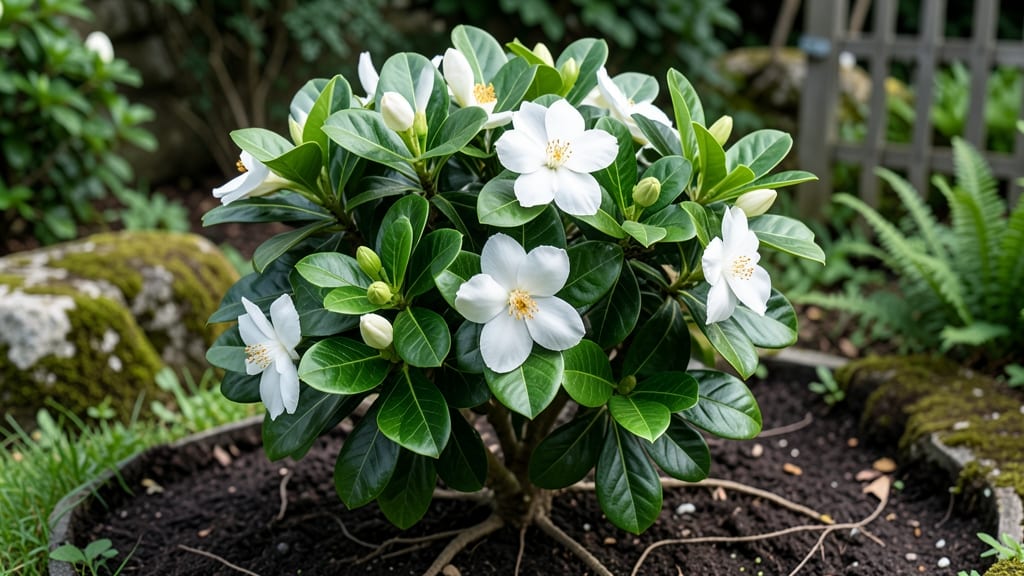
Gardenia blooms in Zone 9 typically arrive between late winter and early spring, with the sweetest fragrance hitting its peak in March—just in time to chase away winter’s chill.
If you’ve ever waited patiently for those creamy-white 🌸 blooms to burst open, only to be met with silence from your shrub, you know timing is everything. Zone 9’s mild winters and warm springs create the perfect stage, but even a few degrees off can shift the show by weeks.
The secret lies in the balance of cool nights and warming days—think 50-60°F temperatures signaling the plant it’s safe to bloom. Too much heat too soon, and your gardenia might play hard to get, while a late frost (rare but possible in higher elevations) can delay the show.
Below, I’ll break down the exact months to expect blooms, how sunlight and pruning tweaks can nudge your gardenia into peak season, and what to do if your plant seems more interested in leaves than flowers.
Zone 9 gardenia blooming timeline: month-by-month breakdown
In Zone 9, gardenias thrive year-round, but their blooming schedule follows a predictable winter pattern influenced by cooler temperatures and shorter days.
Unlike tropical climates where they bloom continuously, Zone 9 gardenias typically produce their most abundant flowers between December and March, with subtle variations depending on your specific region—whether you're in Southern California, Florida, or Texas.
Understanding this timeline helps you anticipate their fragrant displays and adjust care routines accordingly.
Gardenias in Zone 9 are sensitive to heat and humidity spikes, which can delay or reduce blooming. The cooler winter months trigger bud formation, while spring warmth encourages the flowers to open fully.
Early bloomers may start as early as November, while late varieties can linger into April, though with fewer blooms.
Regional microclimates play a role—coastal areas like San Diego or Miami may see slightly earlier blooms due to milder winters, while inland Texas or Southern California desert areas might experience a delayed start.
Here’s a month-by-month breakdown of what to expect, including key care adjustments to maximize blooms:
In Southern California, gardenias often start blooming as early as late November in coastal areas like Malibu or La Jolla, where ocean breezes moderate temperatures. However, inland cities like Phoenix or San Antonio may see buds appear closer to December due to cooler nights.
The peak bloom period—when your gardenias will be at their most fragrant—typically falls between January and February, aligning with the region’s mild winter climate.
Florida’s Zone 9 gardenias, particularly in Miami or Tampa, may experience a slightly extended blooming window due to higher humidity levels. While the primary bloom season is still December to March, some varieties like Gardenia jasminoides 'Radicans' can produce sporadic blooms well into April if conditions remain favorable.
The key difference? Florida gardenias often require more frequent pruning to manage their lush growth and encourage air circulation, which reduces the risk of fungal issues that can stunt blooms.
For Texas gardeners in Houston or Austin, the blooming timeline can vary dramatically based on winter temperatures. A cold snap below 40°F can delay bud formation until January, while milder winters may trigger early blooms in November.
To compensate, Texas gardeners often plant heat-tolerant varieties like 'Kleim’s Hardy', which can handle the region’s summer heat better than traditional gardenias. Mulching with pine bark or compost helps maintain soil acidity and moisture during the critical blooming months.
To ensure your gardenias hit their peak bloom potential, focus on three key adjustments during the winter months: soil pH (aim for 5.0–6.5), consistent watering (deep soaks every 5–7 days), and light pruning to remove spent blooms.
Avoid heavy pruning during the blooming season, as this can reduce next year’s flower production. Instead, save major pruning for late spring or early summer, after the primary bloom cycle has ended.
If your gardenias in
How to extend gardenia blooming season in Zone 9’s heat
Zone 9’s relentless heat can shorten your gardenia’s blooming season, but with the right strategies, you can stretch those fragrant white blooms for months. Gardenias typically bloom from November to March, but heat stress often cuts this short.
The key is creating the ideal conditions—acidic soil, consistent moisture, and strategic pruning—to keep them flowering longer.
First, focus on soil pH. Gardenias thrive in acidic soil (pH 5.0-6.5). Test your soil and amend with peat moss or sulfur if needed. A pH above 7.0 will stunt blooms and weaken your plant.
I once had a gardenia that refused to bloom until I adjusted the pH—now it’s covered in flowers from late fall to early spring.
Gardenias in Zone 9 typically bloom from November through March, but heat waves can shorten this. To extend blooms, prune after flowering (April-May) to encourage new growth. Avoid heavy pruning in summer—it stresses the plant. For longer blooming, choose heat-tolerant varieties like 'Kleim’s Hardy' or 'Radicans'.
Next, master your watering routine. Gardenias hate dry soil but also dislike soggy roots. Water deeply once a week (more in summer), ensuring the top 6 inches of soil stay moist.
I use a drip irrigation system to keep moisture consistent without overwatering. Mulch with 3-4 inches of organic mulch (like pine bark) to retain moisture and regulate soil temperature.
Pruning plays a crucial role too. Prune right after blooming (late spring) to shape the plant and encourage new flower buds. Remove dead or crossing branches to improve airflow.
Avoid heavy pruning in summer—it can shock the plant and reduce blooms. I prune mine in May, and by October, they’re already forming buds for the next season.
Finally, feed your gardenias twice a year with an acidic, slow-release fertilizer (like 6-6-6 or 8-3-9). Apply half the recommended dose in early spring and the other half in early winter.
Over-fertilizing in summer can burn roots. I also add composted pine needles to the soil annually for extra acidity and nutrients.
With these tips, my gardenias now bloom from October to April, filling my garden with their signature fragrance. The secret? Consistency—acidic soil, deep watering, and smart pruning. Try it, and you’ll enjoy those creamy white blooms for months longer! 🌿