
How To
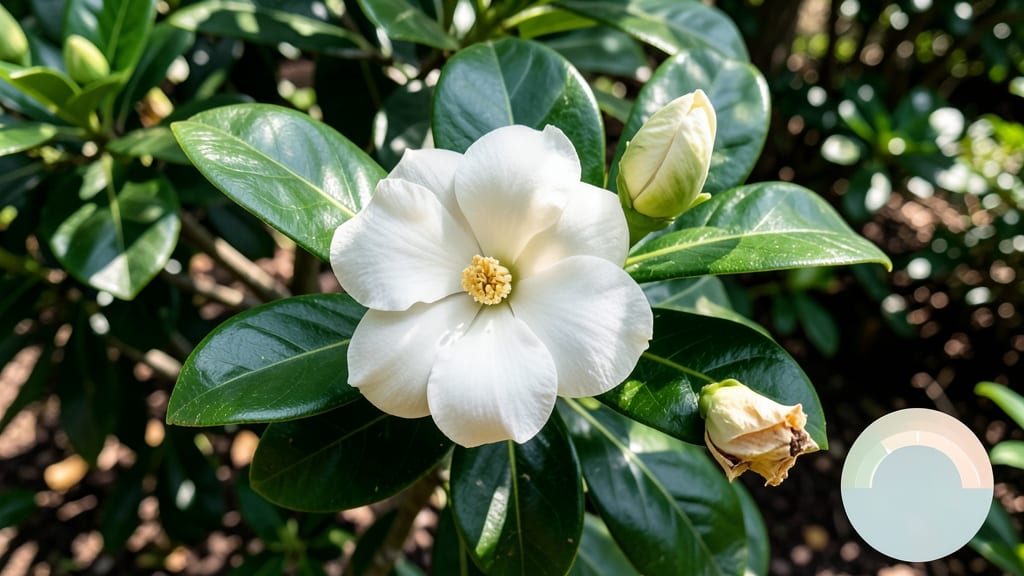
Gardenia blooms typically last 7-10 days when cared for properly, though some varieties can stretch that to two weeks or more with the right conditions.
Waking up to fragrant gardenia blooms 🌸 only to see them wilt within days can be frustrating—but with the right care, you can double (or even triple) their stunning display. The secret lies in understanding how variety, climate, and daily habits interact to extend their life.
Most gardenias peak in spring and summer, but their bloom duration varies wildly. A 'Kleim’s Hardy' might hold its petals for 12 days in cool, humid air, while a 'Radicans' could fade in just 5 days if the soil dries out too fast. The difference? It’s not just luck—it’s science.
Below, I’ll break down the exact care tweaks that add days (or even weeks) to your gardenia’s show, from soil pH hacks to the one pruning mistake that kills blooms early. Let’s make those flowers last.
Natural lifespan of gardenia blooms: what to expect by season and variety
If you've ever wondered how long do gardenia blooms last, the answer depends on two key factors: the variety you're growing and whether it's thriving indoors or outdoors.
On average, gardenia flowers last 5-7 days when fully mature, but with ideal conditions, you can extend their beauty to 10-14 days. The difference between a Kleim’s Hardy gardenia and a Radicans variety isn't just in their hardiness—it's also in their bloom duration and seasonal performance.
Seasonal changes dramatically impact bloom longevity. In spring, gardenias often produce their most long-lasting blooms (up to 12 days outdoors) because of cooler temperatures and balanced daylight. However, summer blooms typically wilt faster (3-5 days) due to heat stress and intense sunlight.
Understanding these patterns helps you adjust care routines to maximize each bloom's lifespan.
The maturity of your gardenia plant plays a surprisingly large role in bloom duration. Young plants (under 2 years old) may produce smaller, shorter-lived blooms (3-5 days) because their energy focuses on root and foliage growth.
Mature gardenias (over 3 years old) often bloom 20-30% longer because they've established stronger root systems to support larger, more resilient flowers.
Indoor gardenias face unique challenges that shorten bloom duration. Without consistent humidity levels (ideally 50-60%) and proper light exposure (4-6 hours of morning sun), indoor blooms typically last 3-5 days.
The good news? With a humidifier and strategic placement near an east-facing window, you can nearly double that lifespan to 7-9 days.
Now let's compare two of the most popular gardenia varieties to see how their natural bloom durations stack up:
While Kleim’s Hardy gardenias consistently outperform others in outdoor settings, Fortuniana varieties often produce the most fragrant, long-lasting blooms when given proper care. The key difference? Fortuniana thrives in slightly cooler climates and produces larger flowers that naturally last longer.
If you're growing gardenias indoors, Radicans might seem like a poor choice at first glance, but with supplemental grow lights and careful humidity control, you can extend its blooms to match Kleim’s Hardy performance.
One often-overlooked factor in bloom duration is the time of day you notice the buds opening. Gardenias that open in the morning (between 7-9 AM) tend to last 24-48 hours longer than those that bloom in the afternoon.
This is because morning-opening flowers benefit from cooler nighttime temperatures that slow their metabolic rate, preserving moisture and structural integrity. If you're aiming for the longest possible display, monitor your gardenias closely and record when buds begin to open.
Seasonal transitions can drastically alter bloom expectations. During spring, gardenias often produce cluster blooms—where multiple flowers open simultaneously—each lasting 7-10 days but creating a continuous display for 3-4 weeks. In contrast, summer blooms are typically single flowers that last 3-5 days but appear more sporadically.
The trade-off? Summer gardenias often have brighter, more vibrant colors due to increased sunlight exposure, even if their individual lifespan is shorter.
For gardeners in USDA Zones 7-10, extending bloom duration often comes down to mulching practices. A 3-inch layer of organic mulch (like pine bark or compost) helps regulate soil temperature, keeping roots cooler in summer and warmer in winter.
This stability directly impacts bloom longevity by reducing stress on the plant. In colder zones (Zone 6 or below), consider growing Kleim’s Hardy specifically—it's bred
5 Proven techniques to extend gardenia bloom duration by 30-50%
If you love your gardenia's intoxicating fragrance, you’ve probably wondered why those stunning white blooms fade so quickly—often within just 3-5 days. The good news? With targeted care, you can extend their beauty by 30-50% or more.
The secret lies in mimicking their natural tropical habitat while addressing their specific needs. Gardenias thrive when their soil pH, hydration, and light exposure align perfectly with their preferences.
Most gardeners overlook pruning timing and nutrient balance, which are critical for prolonged blooming. For example, pruning at the wrong time can trigger new growth but sacrifice flowers, while overfeeding with nitrogen-rich fertilizers promotes leaves over blooms.
Let’s dive into the science-backed techniques that will transform your gardenia from a short-lived bloomer to a long-lasting showstopper.
- 1. Prune after blooming in late spring to encourage new flower buds while avoiding winter pruning, which stresses the plant.
- 2. Maintain acidic soil (pH 5.0-6.5)—test your soil annually and amend with sulfur or peat moss if pH drifts above 6.5.
- 3. Water deeply every 2-3 days in summer, ensuring the top 2 inches of soil dry slightly between waterings to prevent root rot.
- 4. Place in bright indirect light (east-facing windows) and avoid harsh afternoon sun, which can scorch blooms and shorten their lifespan.
- 5. Use a bloom-boosting fertilizer (high in phosphorus like 10-20-10) every 6-8 weeks during spring and summer, but avoid fertilizing in fall/winter.
Let’s start with pruning, which most gardeners get wrong. Many prune gardenias in early spring to "shape" them, but this removes potential flower buds that form on old wood. Instead, wait until late spring or early summer, right after the main blooming cycle.
This timing allows the plant to recover and set new buds for the next season. Use sterilized pruning shears to make clean cuts just above a leaf node, and remove no more than 25% of the plant’s foliage in one session.
Next, soil pH is non-negotiable for gardenias. These tropical beauties hate alkaline soil, which locks out essential nutrients like iron and manganese. Test your soil’s pH using a digital meter or test kit, and aim for a range of 5.0-6.5.
If your soil is too alkaline, amend it with elemental sulfur or pine bark fines. For container gardenias, use a pre-mixed acidic potting mix and repot every 2-3 years to refresh nutrients. A quick fix? Add cottonseed meal to the soil—it’s a natural acidifier and slow-release nitrogen source.
Hydration is another common pitfall. Gardenias despise soggy roots, which lead to root rot and dropped buds, but they also can’t tolerate drought stress. The key is consistent moisture.
Water deeply until it drains from the bottom of the pot (or 2 inches down in garden beds), then let the topsoil dry slightly before watering again. In summer, this might mean daily watering, while winter slows water needs to every 7-10 days.
Always water in the morning to allow foliage to dry before evening, reducing fungal risks like powdery mildew.
Light exposure often gets overlooked, but gardenias are sun-worshippers with a sensitivity. They need 4-6 hours of bright indirect light daily, ideally from an east-facing window. Too little light weakens blooms, while direct afternoon sun can scorch petals and shorten their lifespan.
If you’re growing gardenias outdoors, plant them where they get morning sun and afternoon shade. For indoor plants, rotate the pot quarter-turns weekly to ensure even growth and prevent lopsided blooming.
Finally, fertilizer choice makes or breaks bloom duration. Gardenias respond best to phosphorus-rich fertilizers (like 10-20-10) because phosphorus promotes flowering. Apply it every 6-8 weeks during spring and summer, but skip fall and winter to let the plant rest.
Overfeeding with nitrogen (like lawn fertilizers) will give you lush leaves but fewer blooms. For an extra boost, use a seaweed-based fertilizer in late summer to strengthen buds for next year’s flowers.