
Plants
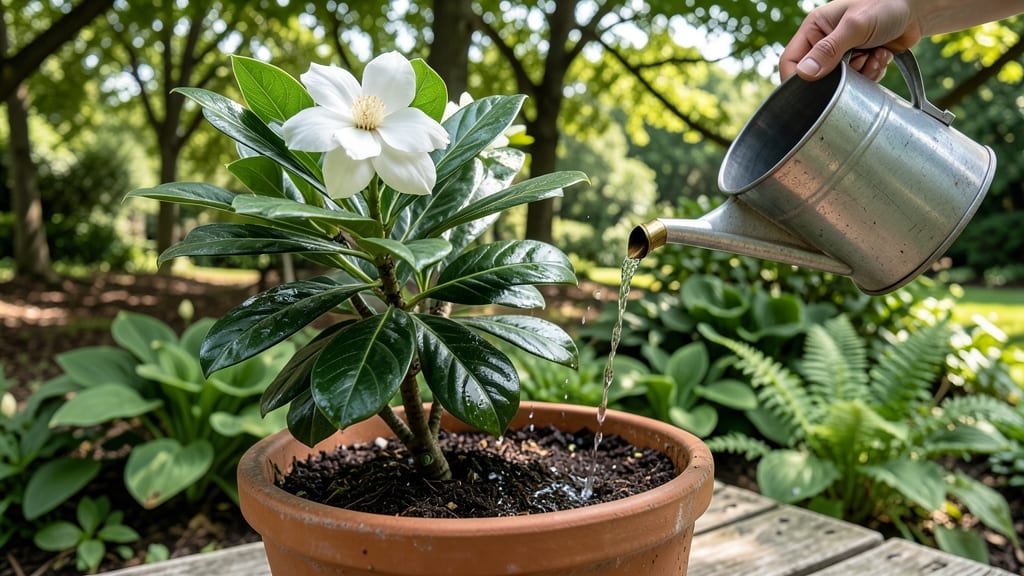
How much water does a gardenia plant need to keep its fragrant blooms 🌸 thriving without risking root rot or leaf drop?
Gardenias are prized for their intoxicating fragrance and glossy foliage—but overwatering or underwatering can turn your blooms into a sad, wilted memory. Mastering the perfect watering routine transforms your gardenia from struggling shrub to showstopping centerpiece.
In this guide, I’ll break down exactly how much water your gardenia needs each week, how to check soil moisture like a pro, and the telltale signs your plant is thirsty—or drowning.
Whether you’re growing yours in a pot or planted in the ground, these tips will keep your gardenia happy year-round.
You’ll learn the ideal watering schedule by season, how to adjust for humidity and climate, and the best techniques to avoid common mistakes. Let’s get your gardenia blooming beautifully without the guesswork!
Gardenia watering schedule: weekly routine for healthy growth and blooms
Gardenias thrive when their watering routine mirrors their natural tropical environment—consistent moisture without waterlogged soil. The key lies in balancing frequency, seasonal needs, and soil conditions to prevent root rot or leaf drop.
Unlike desert plants, gardenias demand attention, especially during their blooming season (spring to early summer).
Your gardenia’s pot size dramatically affects how often you water. A 5-gallon container dries faster than in-ground soil, while a 10-gallon pot may hold moisture longer. Always check soil moisture 1-2 inches deep before watering—this simple test prevents overwatering mistakes that kill more gardenias than underwatering.
| Season | Frequency | Soil Moisture Goal | Water Amount | Key Tips |
|---|---|---|---|---|
| Spring | Every 2-3 days | Consistently damp | 1-1.5 gallons (5-6L) | Increase during bud formation |
| Summer | Daily (morning) | Never dry out | 2 gallons (8L) for pots | Mulch to retain moisture |
| Fall | Every 3-4 days | Damp but drying | 1 gallon (4L) | Reduce as temps drop |
| Winter | Bi-weekly | Slightly dry topsoil | 0.5 gallons (2L) | Avoid cold water |
Spring is your gardenia’s growth explosion season, so water every 2-3 days when temperatures rise above 60°F. Aim for 1-1.5 gallons per watering session—enough to saturate the root zone without pooling. Morning watering prevents fungal diseases by letting foliage dry before nightfall.
Summer demands the most vigilance: water daily in pots and every other day in-ground, using 2 gallons per plant. Test soil moisture with your finger—if the top 1 inch feels dry, it’s time to water. Mulch heavily (3-4 inches) to slow evaporation and keep roots cool.
Fall signals a gradual slowdown. Reduce watering to every 3-4 days as temperatures drop below 70°F. Your goal shifts from keeping soil damp to allowing the top 1/2 inch to dry between waterings. This adjustment prevents root rot during cooler, wetter periods.
Winter care is minimal: water bi-weekly or when the soil surface feels dry to the touch. Gardenias in containers need slightly more frequent checks, as they dry faster. Always use room-temperature water to avoid shocking the roots.
Signs of overwatering include yellow leaves, mushy stems, and dropping buds, while underwatering causes crispy leaf edges and wilting despite moist soil. Adjust your schedule based on these cues—your gardenia’s leaves will tell you exactly what it needs.
Pro tip: Use a moisture meter for accuracy, especially in containers. These $10 tools eliminate guesswork and help you water like a pro. Pair it with a self-watering pot for peace of mind during vacations.
Remember, gardenias reward consistency. Stick to this seasonal schedule, and you’ll enjoy glossy leaves and fragrant blooms year after year. Happy gardening!
How to tell if your gardenia is overwatered or underwatered (with fixes)
Your gardenia plant might look stunning with its glossy leaves and fragrant blooms, but watering mistakes can ruin all that hard work. The key to keeping your gardenia thriving lies in understanding the subtle signs of overwatering vs. underwatering.
Both extremes stress your plant, but they show up in different ways—yellow leaves or mushy stems scream overwatering, while crispy edges or drooping foliage signal thirst.
I’ve seen gardeners lose beautiful gardenias because they didn’t recognize these early warning signs. The good news? Once you know what to look for, fixing the issue is straightforward. Let’s break down the symptoms and corrective actions so your gardenia stays lush and blooming all season.
⚠️ callout-warning
Gardenias need consistent moisture but hate soggy roots. A general rule: water when the top 1-2 inches of soil feel dry to the touch. In containers, this may mean every 1-2 days in hot weather, while in-ground plants need every 2-3 days. Overwatering causes root rot, while underwatering leads to leaf scorch. Always check soil moisture before watering!
First, let’s tackle overwatered gardenias. If your plant’s leaves turn yellow or develop brown, mushy spots, it’s likely drowning in water. These symptoms happen because saturated soil cuts off oxygen to the roots, leading to root rot.
Another red flag? Stems that feel soft when pressed—this is a clear sign of too much moisture. To fix this, stop watering immediately and let the soil dry out completely.
If the roots look black or smell foul, trim away the affected areas with sterilized pruners and repot in fresh, well-draining soil.
On the flip side, underwatered gardenias show signs like crispy brown edges on leaves or wilting foliage that doesn’t bounce back after watering. Unlike overwatering, these symptoms appear gradually as the plant dries out.
To revive an underwatered gardenia, give it a deep soak until water drains from the bottom of the pot. For in-ground plants, water slowly at the base to encourage root growth. Afterward, monitor the soil moisture closely to avoid repeating the mistake.
Mulching around the base can also help retain moisture for longer.
Don’t forget to adjust your watering routine based on the season. In summer heat, gardenias may need daily watering, while winter dormancy often requires only bi-weekly watering.
Pay attention to your plant’s environment—indoor gardenias dry out faster than outdoor ones, especially near heating vents or air conditioning. By tuning into these signals, you’ll keep your gardenia healthy, blooming, and fragrant for years to come.
🌿 Pro Tip: Use a moisture meter or the finger test to check soil moisture before watering. Stick your finger into the soil—if it feels dry up to your first knuckle, it’s time to water. This simple habit saves gardenias from both overwatering and underwatering disasters!