
Watering
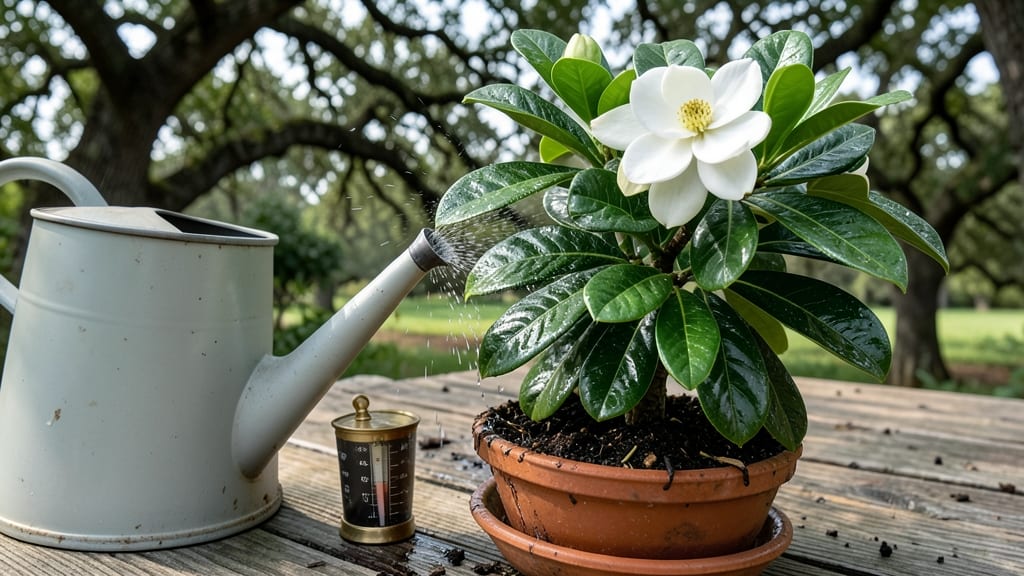
To water a gardenia plant properly, aim for deep, consistent moisture that keeps the soil evenly damp but never soggy — the difference between lush blooms and wilted leaves.
Struggling to keep your gardenia plant blooming beautifully? The secret often lies in mastering its watering needs — too much or too little can spell disaster for these delicate yet stunning flowers 🌸.
One wrong move, and you’ll end up with yellowing leaves or root rot, both of which can kill your plant faster than you think.
Gardenia plants thrive when their soil stays moist but well-drained, which means checking the top inch before watering. Tap water with chlorine can harm them, so rainwater or filtered water is best. I’ve learned the hard way that skipping this step leads to weak blooms and unhappy plants.
In this guide, I’ll walk you through the exact watering schedule, signs of over- or under-watering, and pro tips to keep your gardenia thriving all season long — without the guesswork.
The perfect watering schedule for gardenia plants to prevent root rot
Gardenia plants thrive on consistent moisture but despise soggy soil—a delicate balance that can make or break their stunning blooms. Overwatering leads to root rot, while underwatering causes wilting and bud drop.
The key lies in understanding your gardenia's water needs and adjusting for seasonal changes, soil type, and environmental factors like humidity and temperature.
Unlike drought-tolerant succulents, gardenias demand regular hydration but with proper drainage to prevent waterlogged roots. I’ve learned through trial and error that morning watering is ideal—it allows excess moisture to evaporate before nightfall, reducing fungal risks.
Let’s break down the perfect schedule to keep your gardenia lush and blooming without the dreaded root rot.
In spring, gardenias signal their thirst by drooping leaves or crispy leaf edges. Stick your finger 1-2 inches into the soil—if it feels dry, it’s time to water.
Aim for a deep soak that reaches the root zone, ensuring water drains freely from the bottom of the pot or soil. For in-ground plants, apply water slowly at the base to avoid runoff.
Summer is the most critical season for gardenias, as high temperatures increase evaporation rates. I recommend watering early in the morning to prevent fungal growth from prolonged leaf wetness. Use a moisture meter or the finger test: if the top 2 inches of soil are dry, water thoroughly.
Mulching with organic matter like pine bark helps retain moisture and regulates soil temperature.
As fall approaches, reduce watering frequency but maintain consistent moisture. Gardenias prepare for dormancy, so let the soil dry slightly between waterings. Watch for yellowing leaves, which may indicate overwatering or poor drainage.
If your gardenia is potted, ensure the container has drainage holes—stagnant water is a root rot magnet.
Winter care is minimal, but don’t let the soil dry out completely. A light soak every 3-4 weeks keeps roots hydrated without encouraging rot. If your gardenia is outdoors in a cold climate, group it with other plants to create a microclimate that retains moisture and protects from harsh winds.
Humidity plays a surprising role in gardenia watering. In dry climates, increase watering frequency slightly, while in humid areas, allow the soil to dry out a bit longer between waterings.
Always use room-temperature water—cold water can shock the roots. For potted gardenias, I’ve found that self-watering pots or saucers with pebbles and water help maintain even moisture without over-saturating the soil.
Pro tip: If your gardenia’s leaves develop brown tips or edges, it’s often a sign of fluoride buildup from tap water. Let tap water sit out for 24 hours before using or switch to rainwater or distilled water.
This small change can make a huge difference in leaf health and bloom quality.
By following this seasonal watering guide and paying attention to your gardenia’s unique signals, you’ll avoid the pitfalls of root rot and enjoy abundant blooms year after year. Remember, garden
Signs your gardenia is Overwatered or Underwatered (and how to fix it)
Your gardenia plant thrives on balance—too much or too little water can quickly turn its lush dark green leaves into a stress signal.
As someone who’s nursed these fragrant beauties back from the brink, I’ve learned to read the subtle clues they send. Yellowing leaves or drooping stems aren’t just random bad luck; they’re your gardenia’s way of saying, "Adjust my watering, please!"
Gardenia roots crave consistent moisture but despise soggy conditions. The key is mimicking their natural tropical habitat—think well-draining soil that stays damp (not waterlogged). When you see mushy stems or white mold on the soil surface, it’s a red flag that your watering routine needs an overhaul.
Let’s decode these signs and restore your gardenia’s health with actionable fixes.
🚨 Watering Warning: The 3-Minute Soil Test
Before watering, stick your finger 1-2 inches into the soil. If it feels:
- Dry → Underwatered (water immediately)
- Damp but cool → Perfect (wait 2-3 days)
- Cold and soggy → Overwatered (stop watering, repot if needed)
Pro Tip:
Use a terracotta pot—it dries faster than plastic, reducing root rot risk. If your gardenia’s leaves feel slimy, it’s a sign of overwatering.
When your gardenia’s leaves turn yellow but stay attached (not crispy), it’s often a sign of overwatering. The roots suffocate in wet soil, starving the plant of oxygen. Pair this with drooping leaves that don’t perk up after watering, and you’ve got a classic case of root rot.
The fix? Let the top 2 inches of soil dry out between waterings and consider repotting into a mix with perlite or orchid bark for better drainage.
On the flip side, crispy brown edges on leaves or wilting that doesn’t recover after watering screams underwatering. Gardenias are tropical divas—they hate drought stress.
If the soil pulls away from the pot edges and feels bone-dry, give it a deep soak (1-2 gallons) until water runs out the drainage holes. After that, mulch around the base with pine bark to lock in moisture and mimic their forest-floor habitat.
Don’t overlook mold or fungus on the soil surface—this is your gardenia’s SOS for overwatering. Fungal growth thrives in damp, stagnant conditions.
To fix it, remove the top layer of soil, sprinkle sulfur-based fungicide, and let the pot sit in a shady spot for 3-4 days to dry out. For potted gardenias, elevate the pot on feet or pebbles to improve airflow at the base.
Here’s my go-to recovery plan for stressed gardenias: Trim any mushy or blackened stems with sterilized shears, then repot into a fresh acidic mix (equal parts peat moss, perlite, and pine bark).
Water lightly for the first week, then resume your morning watering routine. With patience, your gardenia will bounce back—just like mine did after my first overwatering disaster! 🌸