
Advice
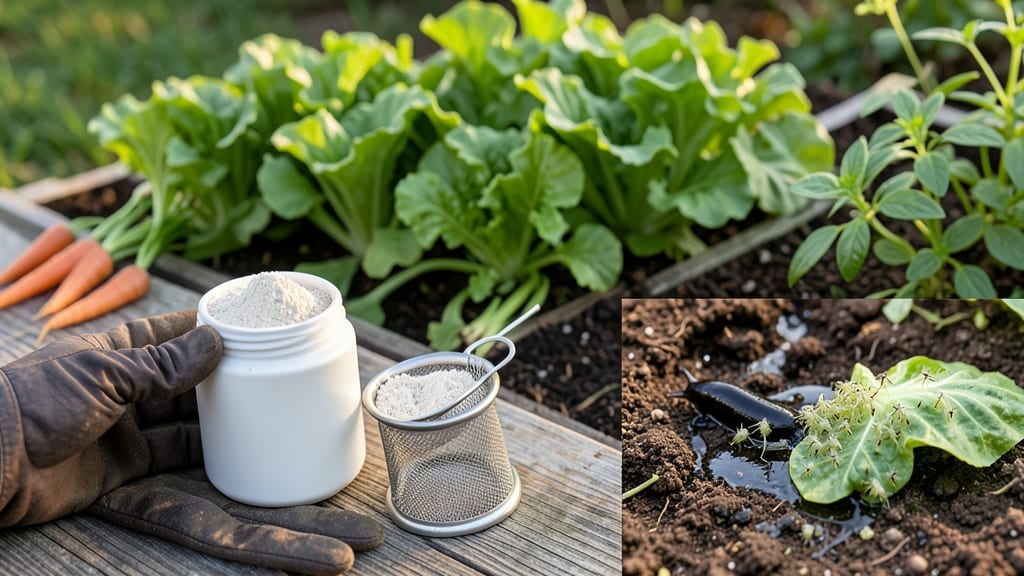
You can safely put diatomaceous earth in your garden as a natural pest control method, but apply it carefully to avoid harming beneficial insects and soil microbes. Use food-grade DE lightly around plants, avoiding direct contact with foliage, and reapply after rain or watering.
Diatomaceous earth (DE) works by creating microscopic abrasions in soft-bodied pests like aphids, slugs, and ants, which dehydrate and kill them within 48 hours. 🌿 The key is using food-grade DE—never pool-grade—and applying it in dry conditions when pests are most active.
I’ve found that a light dusting around plant bases (about 1-2 tablespoons per 10 square feet) is effective without overpowering your garden’s ecosystem.
For best results, apply DE in the early morning or evening to prevent wind from dispersing it, and always wear a dust mask since inhalation can irritate lungs.
Reapply after rain, as moisture reduces its effectiveness. Pairing DE with companion planting (like marigolds to repel pests) can create a stronger defense system for your garden.
💡 In This Article
- How Diatomaceous Earth Works Against Garden Pests
- Best Practices for Applying Diatomaceous Earth in Gardens
How diatomaceous earth works against garden pests
Diatomaceous earth (DE) functions as a natural insecticide through its microscopic structure. Made from fossilized algae called diatoms, food-grade DE consists of sharp, glass-like particles that measure just 1-100 microns in size—small enough to penetrate insect exoskeletons but harmless to humans and pets when used correctly.
When pests like aphids, slugs, or ants crawl over treated areas, these particles create tiny abrasions that disrupt their protective outer layer, leading to rapid dehydration and death within 24-48 hours. 🔥
The effectiveness of DE varies by pest type. Soft-bodied insects such as aphids, whiteflies, and mealybugs are particularly vulnerable because their exoskeletons can't withstand the abrasive action. Even slugs and snails, which lack hard shells, succumb to DE's dehydrating properties when they crawl over treated soil.
However, hard-bodied pests like beetles or earwigs are less affected since their exoskeletons resist the abrasion. This selective action makes DE an eco-friendly option that targets problematic pests without harming beneficial insects like bees or ladybugs when applied correctly.
What makes DE unique is its dual mechanism of action. First, the particles physically damage the pest's exoskeleton, but they also absorb lipids (fats) from the insect's outer layer, further accelerating dehydration.
This dual approach explains why DE remains effective even against pests that might develop some resistance to chemical pesticides. The silica particles themselves are inert, meaning they don't break down into toxic compounds—unlike some synthetic insecticides that can leave harmful residues in the soil. 🌿
For optimal results, focus on applying DE in areas where pests are most active, such as around plant stems, along garden edges, or in mulch beds. The particles need to be dry to work effectively, which is why moisture from rain or irrigation can reduce their potency.
A light dusting of 1-2 tablespoons per 10 square feet is typically sufficient, but avoid overapplying, as excessive amounts can temporarily disrupt soil microbes that help break down organic matter. The key is precision—targeting pest hotspots rather than blanketing the entire garden.
One common misconception is that DE works immediately. In reality, pests may continue to move around for a short time after contact, but they'll begin showing signs of distress within hours. This delayed effect is why consistent reapplication is crucial, especially after watering or rainfall.
The non-toxic nature of DE also means you can safely use it around children and pets, though it's still wise to wear a dust mask during application to avoid inhaling fine particles. 💫